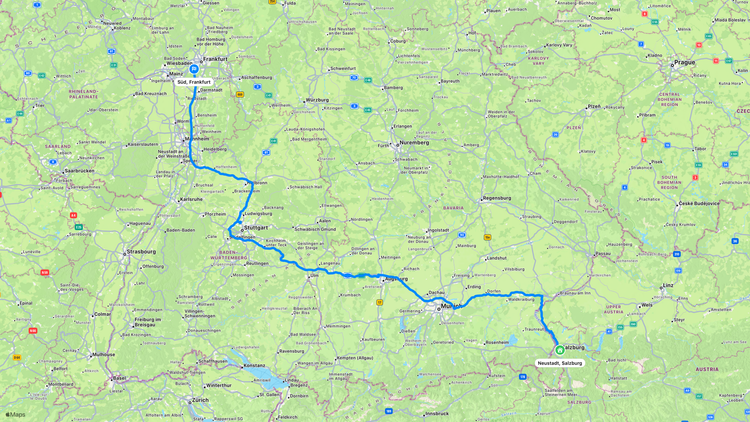
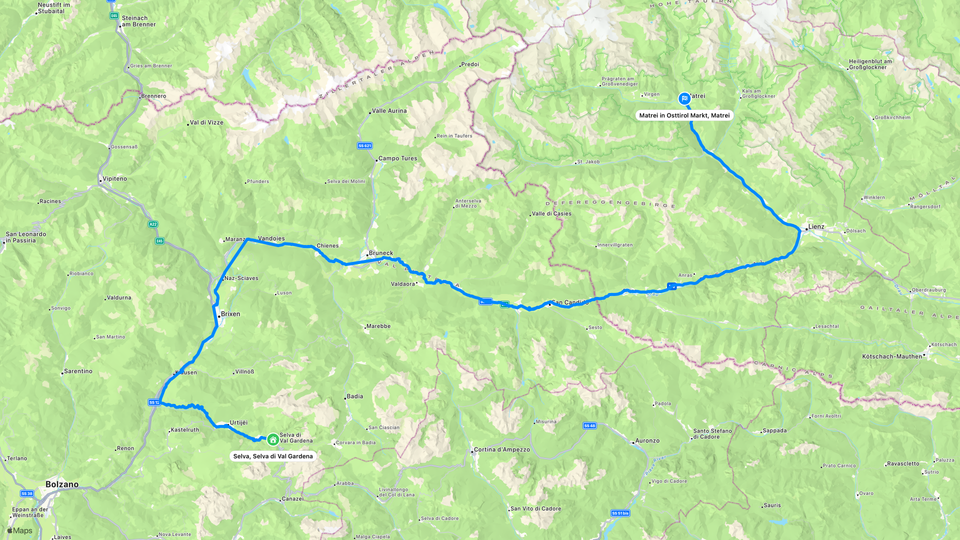
Day 10: Val Gardena (Italy) –> Tirol (Austria)
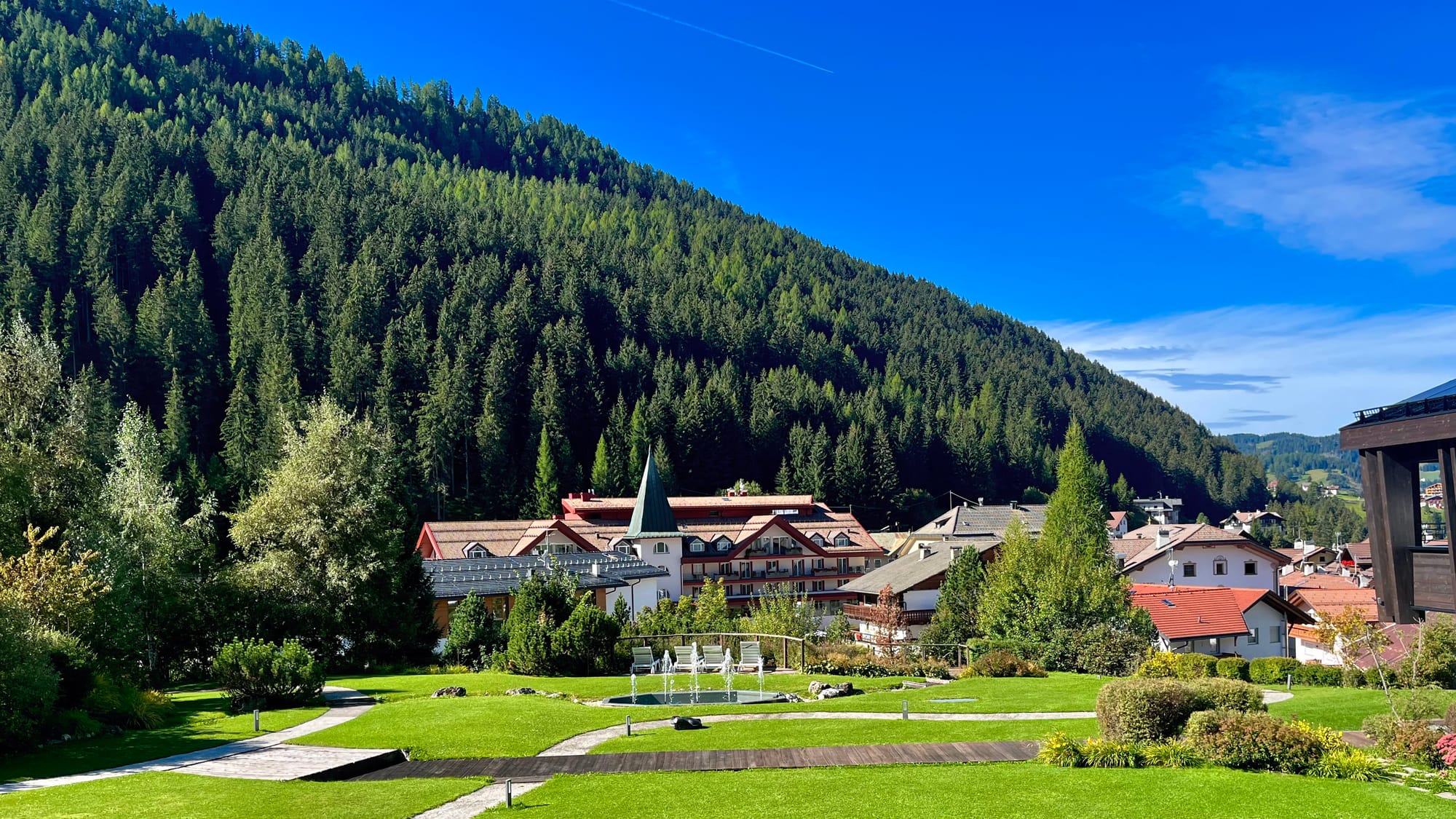
We check out of our hotel, with one last look at the view from our balcony.
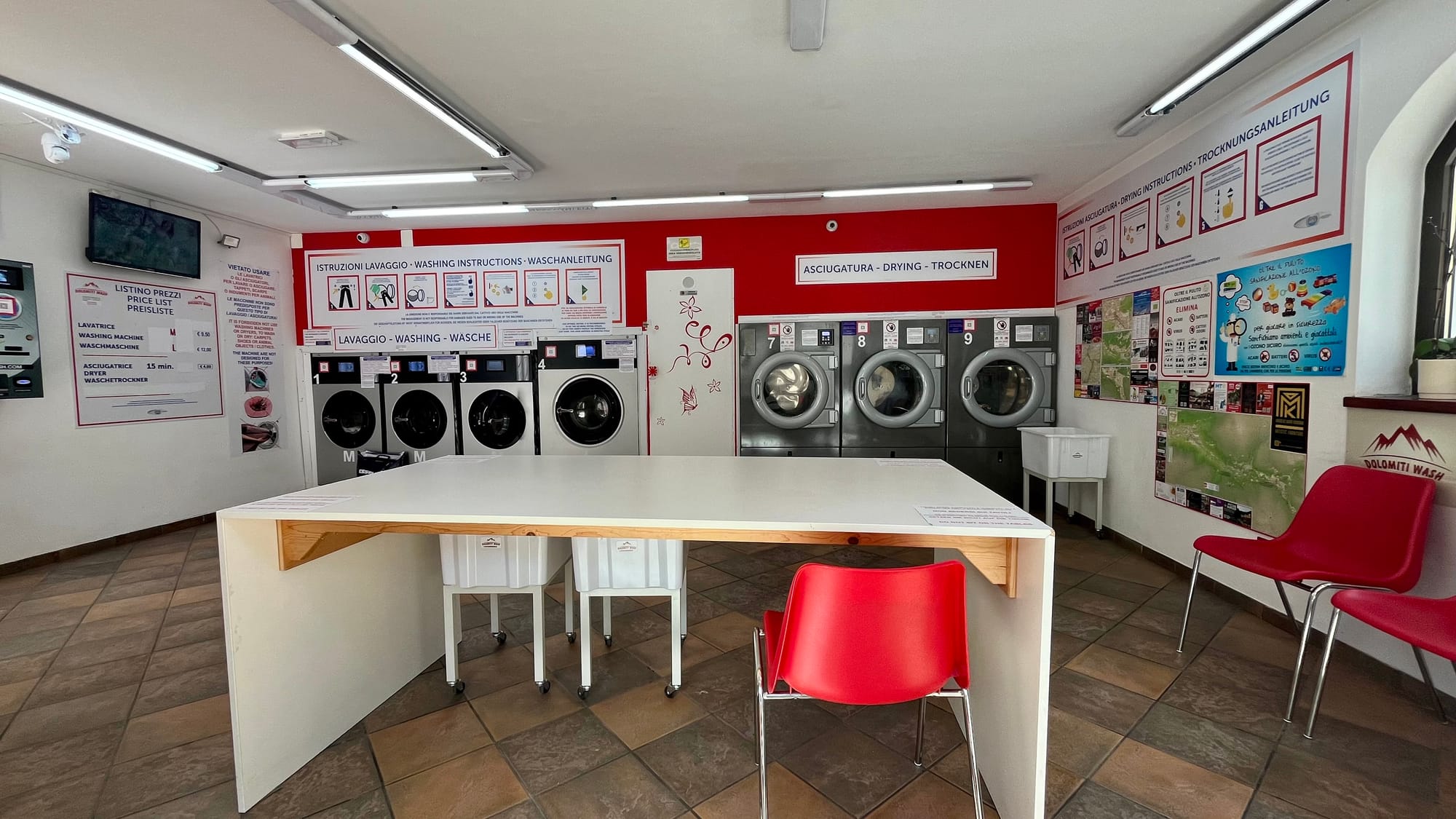
We have two tasks this morning: refilling the car with petrol and completing our mid-trip laundry to wash and dry our clothes.
The closest service station along our route offered 98 octane fuel, so we took it. The pump was self-service, and it seems there is a €100 limit, which nearly but not quite filled our car.
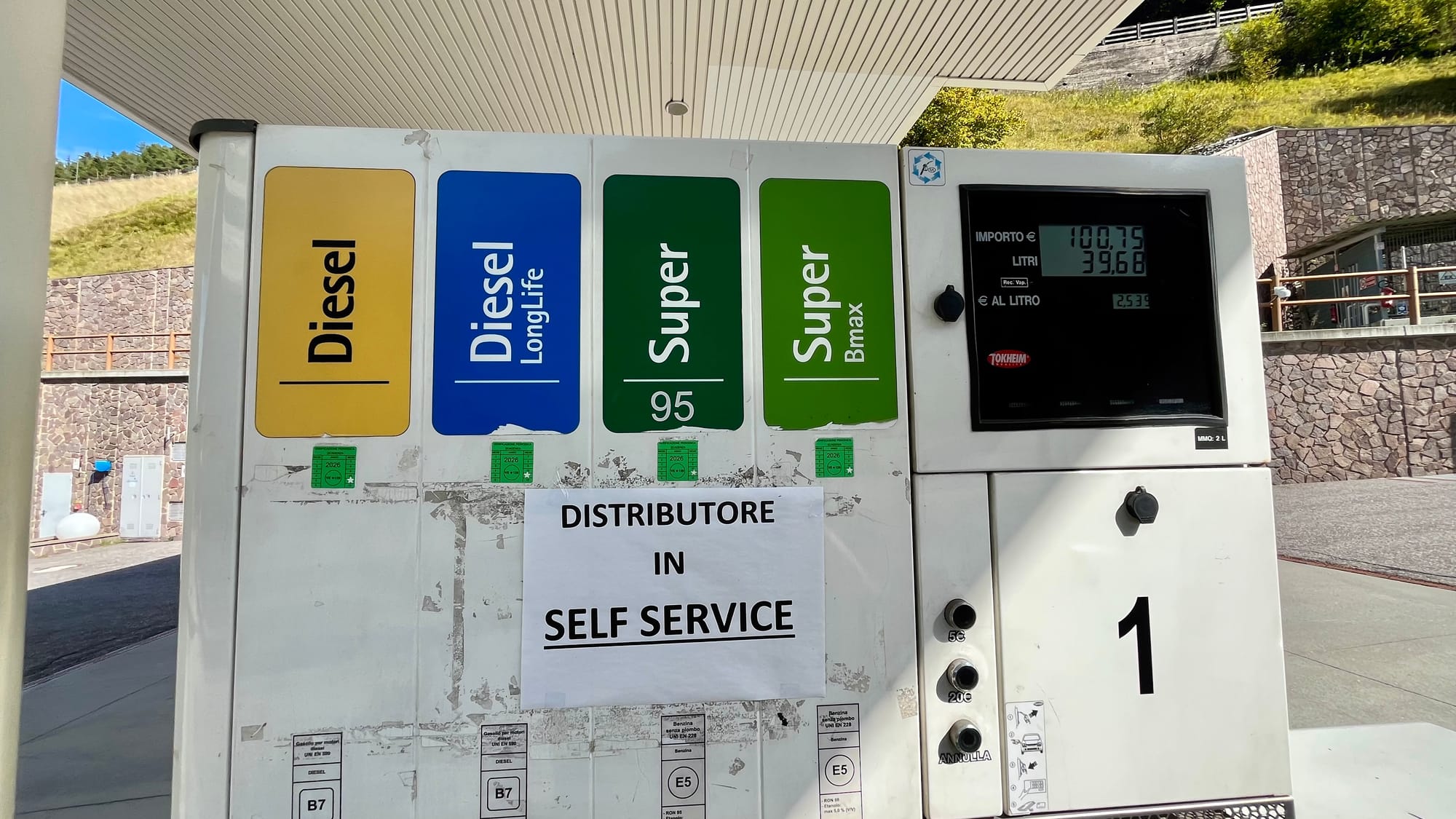
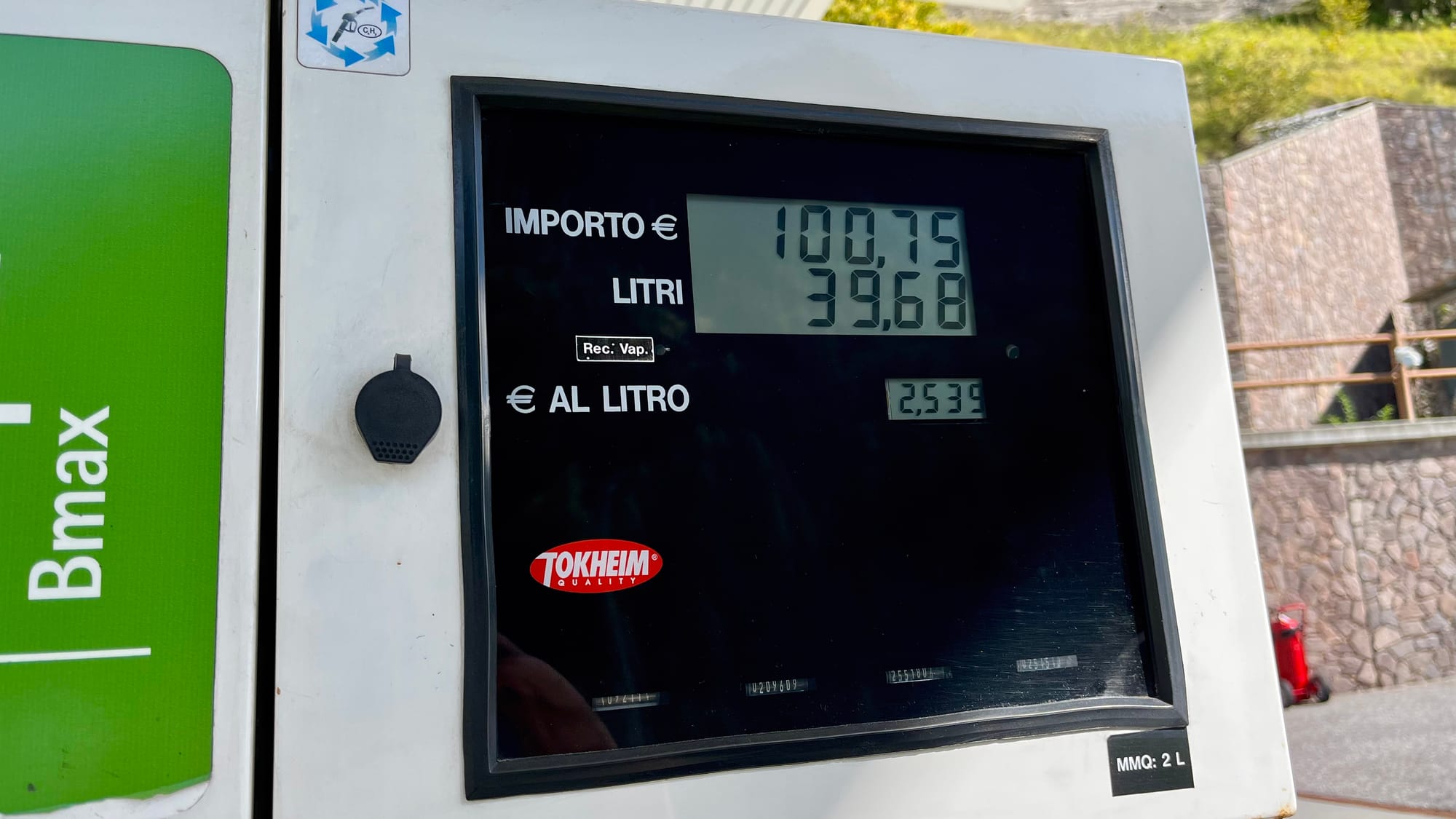
Super Bmax 98 octane
We had planned this laundry stop from Ireland and came prepared with printed instructions on how to operate the machines. We had identified the closest parking by using Apple Maps’ “look around” feature. Both elements simplified this chore considerably.
Afterwards, we head off in the direction of Austria – again keeping away from the motorways despite having a digital vignette covering our use of them in Austria.
Given this is a chore day and brake dust has been building up on our wheels and lower areas of the car, we stop off at one of the many manual car washes we pass.
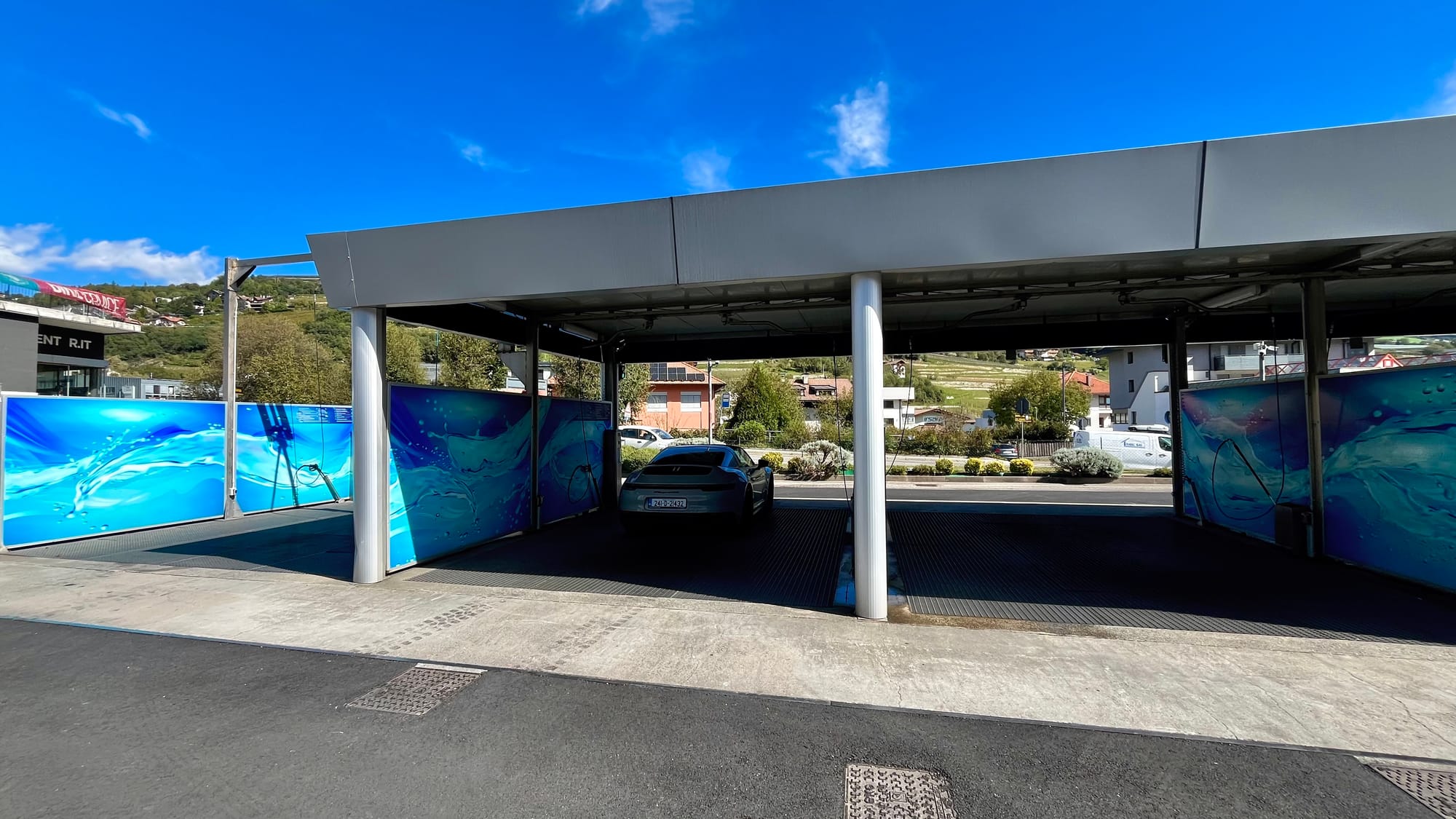
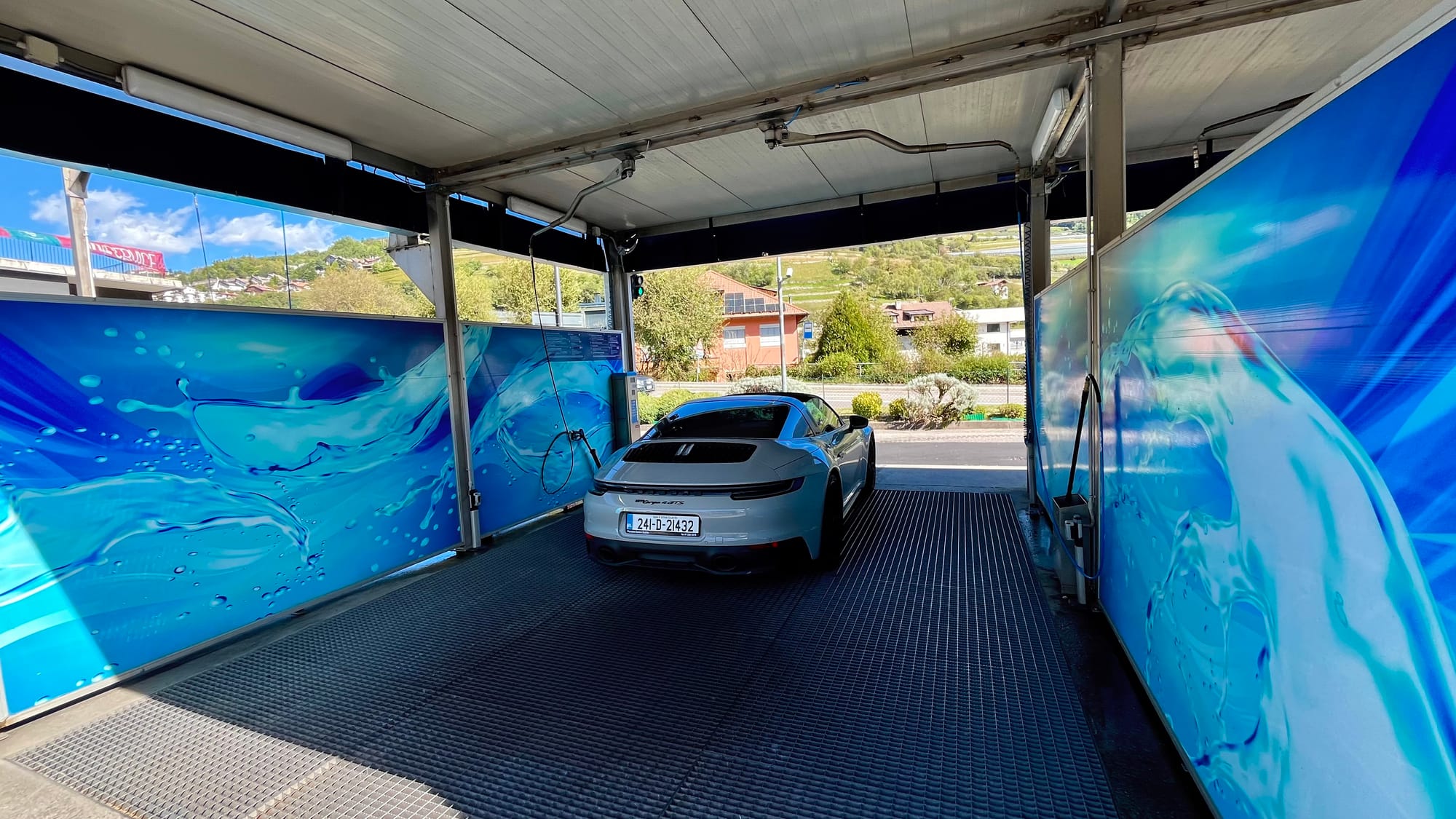
Manual car wash
Clearing down the worst of the grime and brake debris from the paint surfaces and the wheels.
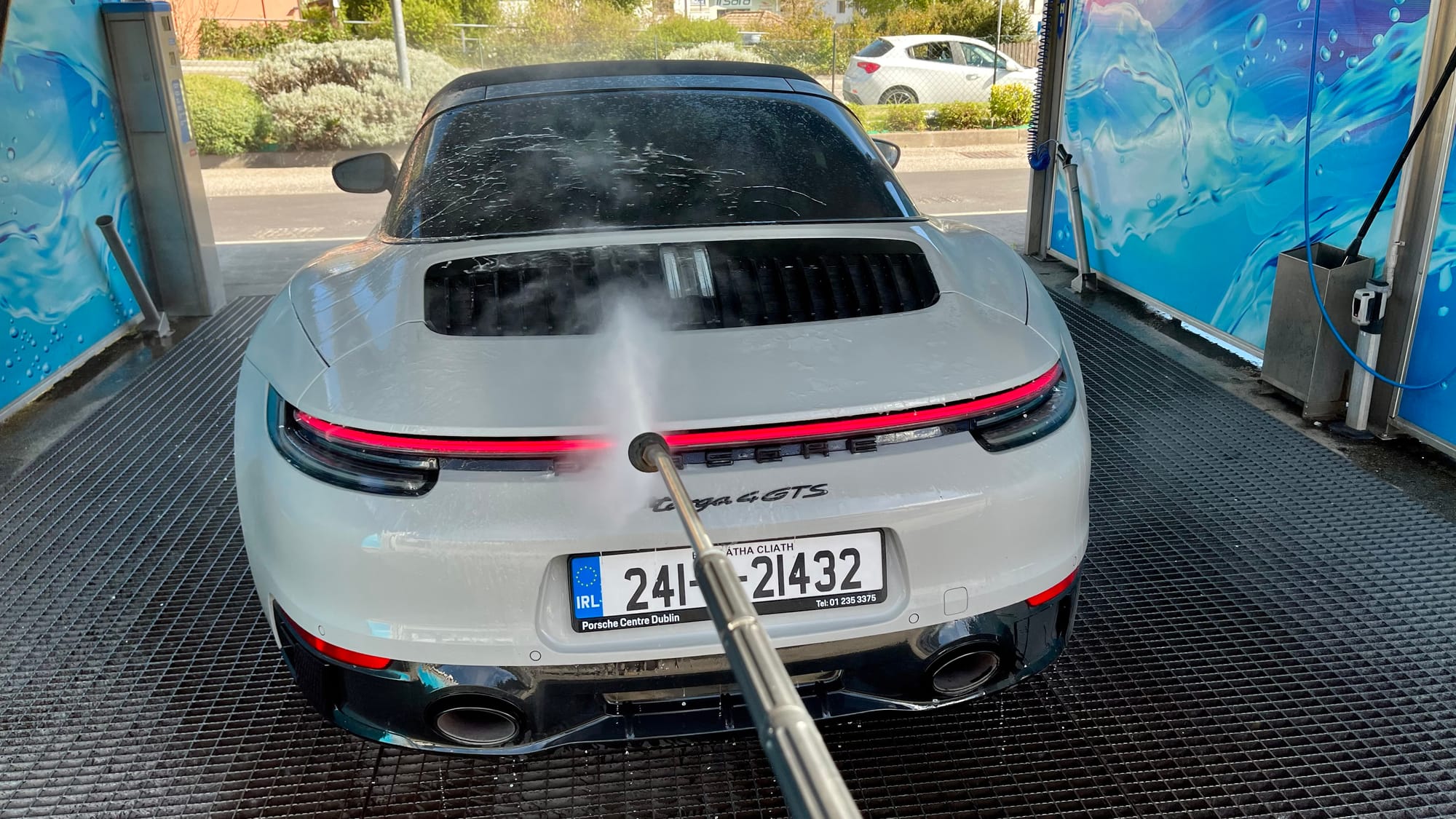
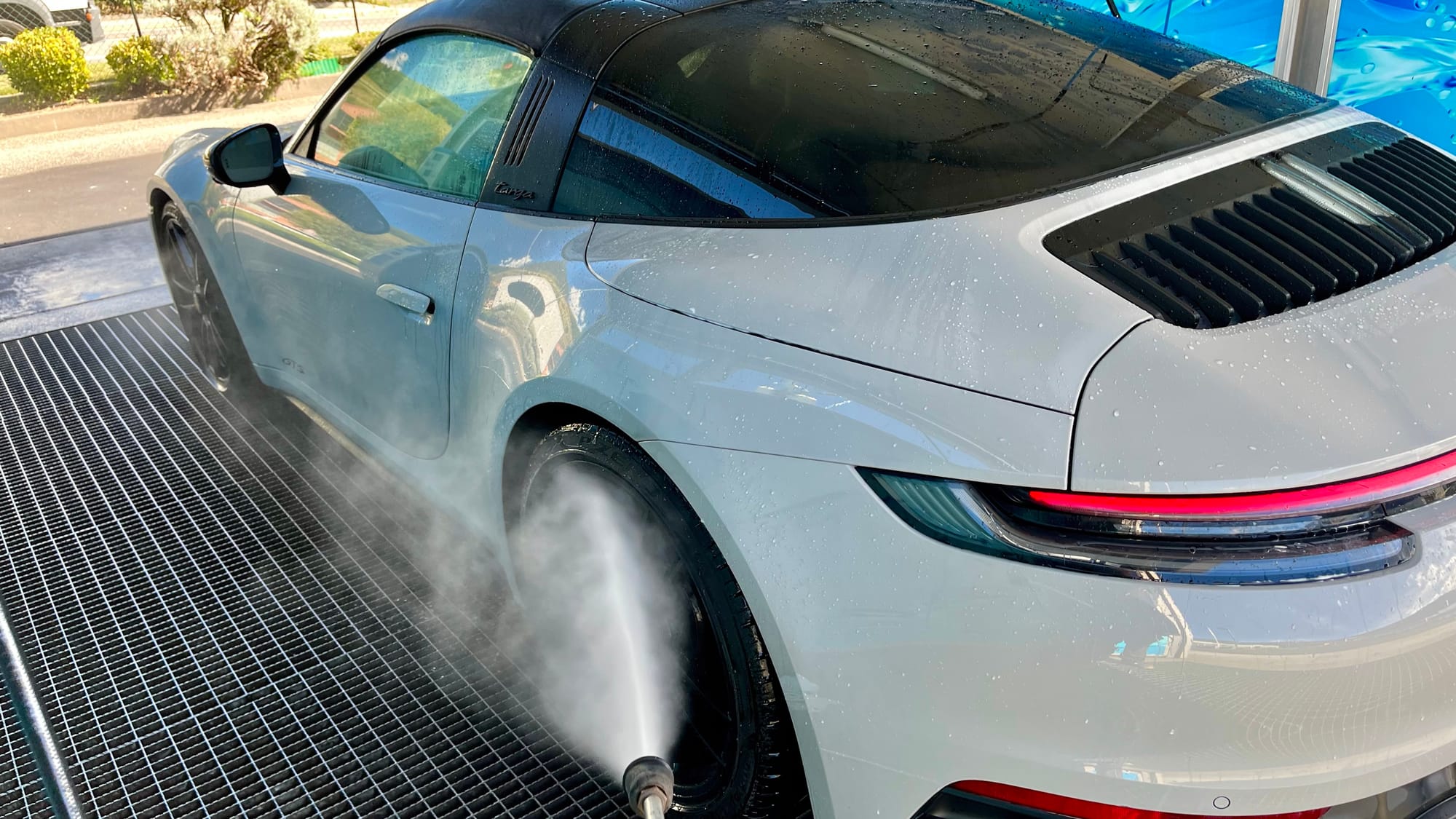
Cleaning the car paint and wheels
One benefit of avoiding the motorway network is that you simply observe more of the countryside you travel through. You might stumble across interesting sights you had not planned for.
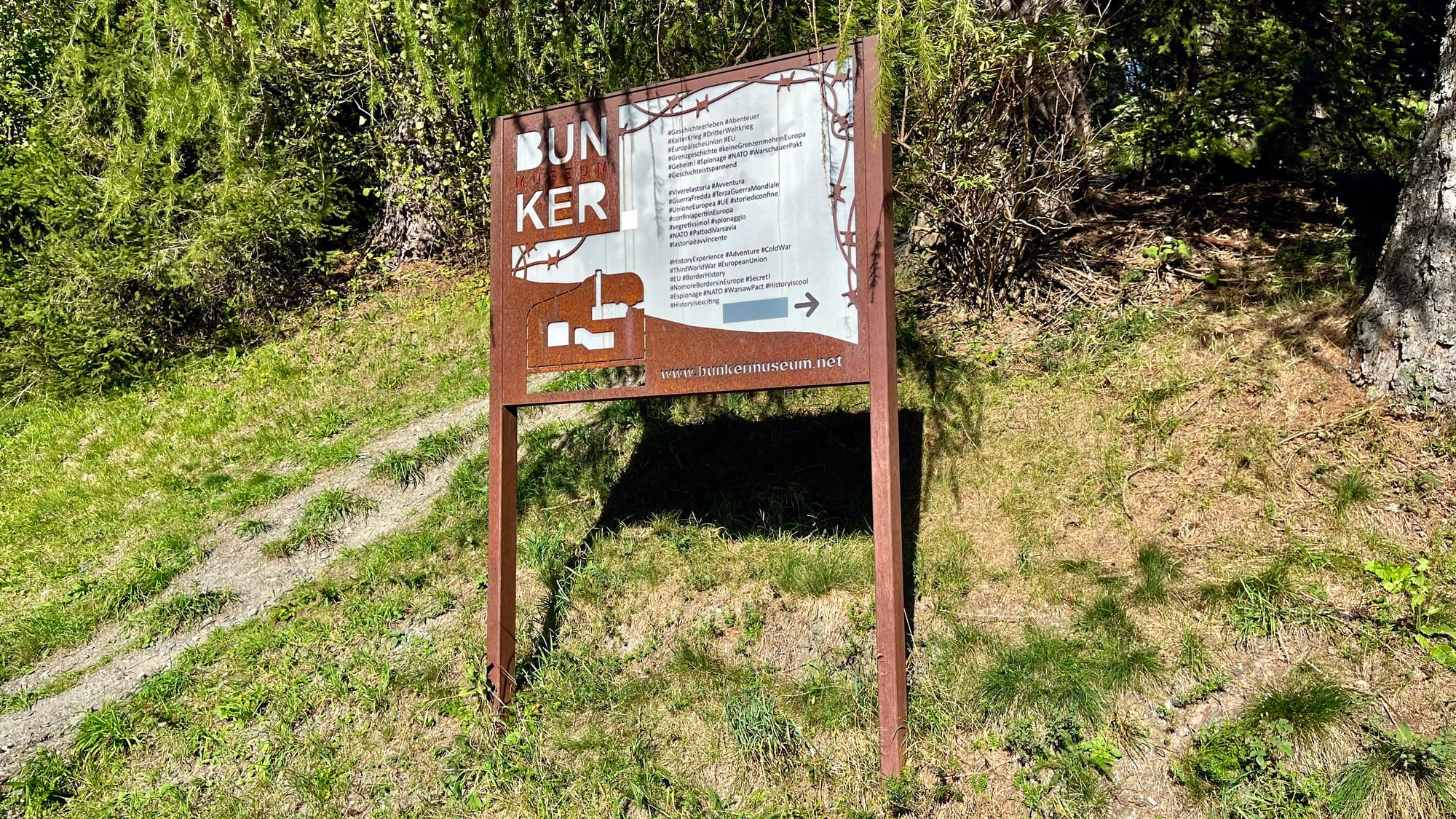
A good example of this is the Bunker Museum in South Tyrol. We passed a sign for it and turned around to visit and explore it.
This is one of the few remaining visitable NATO cold-war era fortifications. The bunker's purpose was to prevent an attack by the Red Army through the Pustertal.
It is a tiny privately run museum to the rear of a typical farmhouse for the area.
You know you are in the right place when you see a random Sherman Tank parked up.
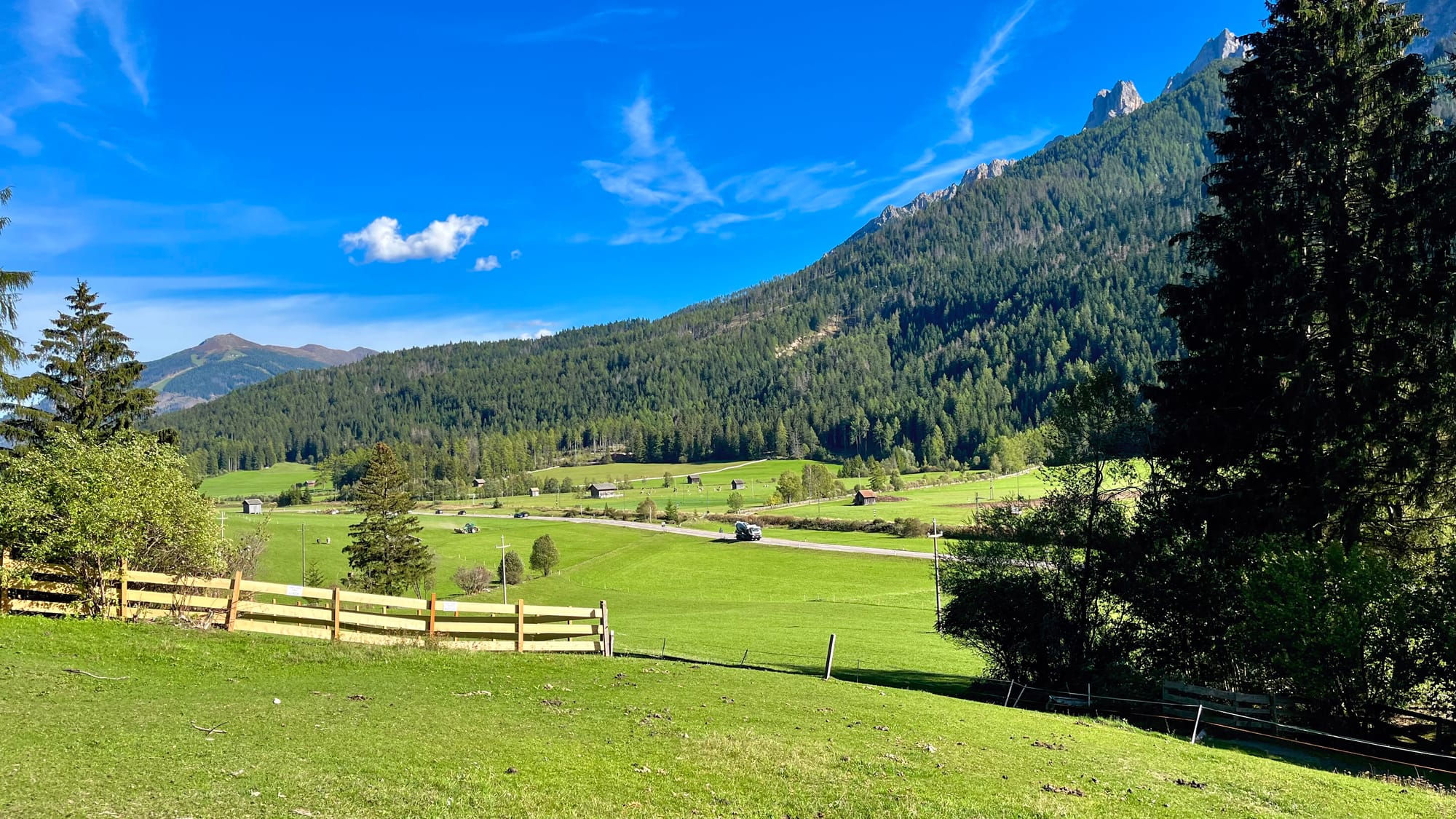
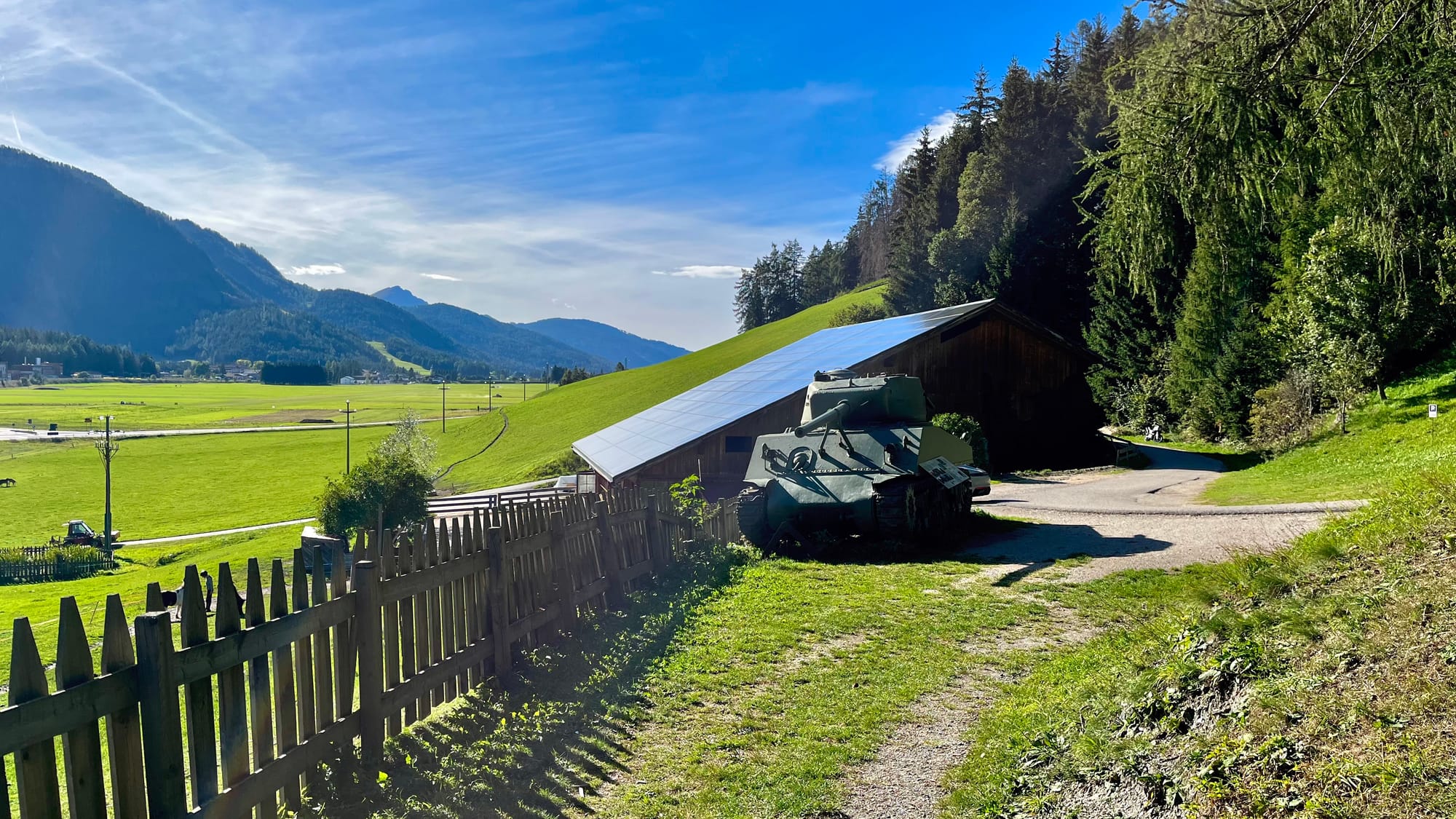
Entrance to the bunker museum
The signage throughout the museum is excellent and in Italian, German and English. It is only open daily in the afternoons from 13:30 and we’re the only visitors there throughout our visit today.
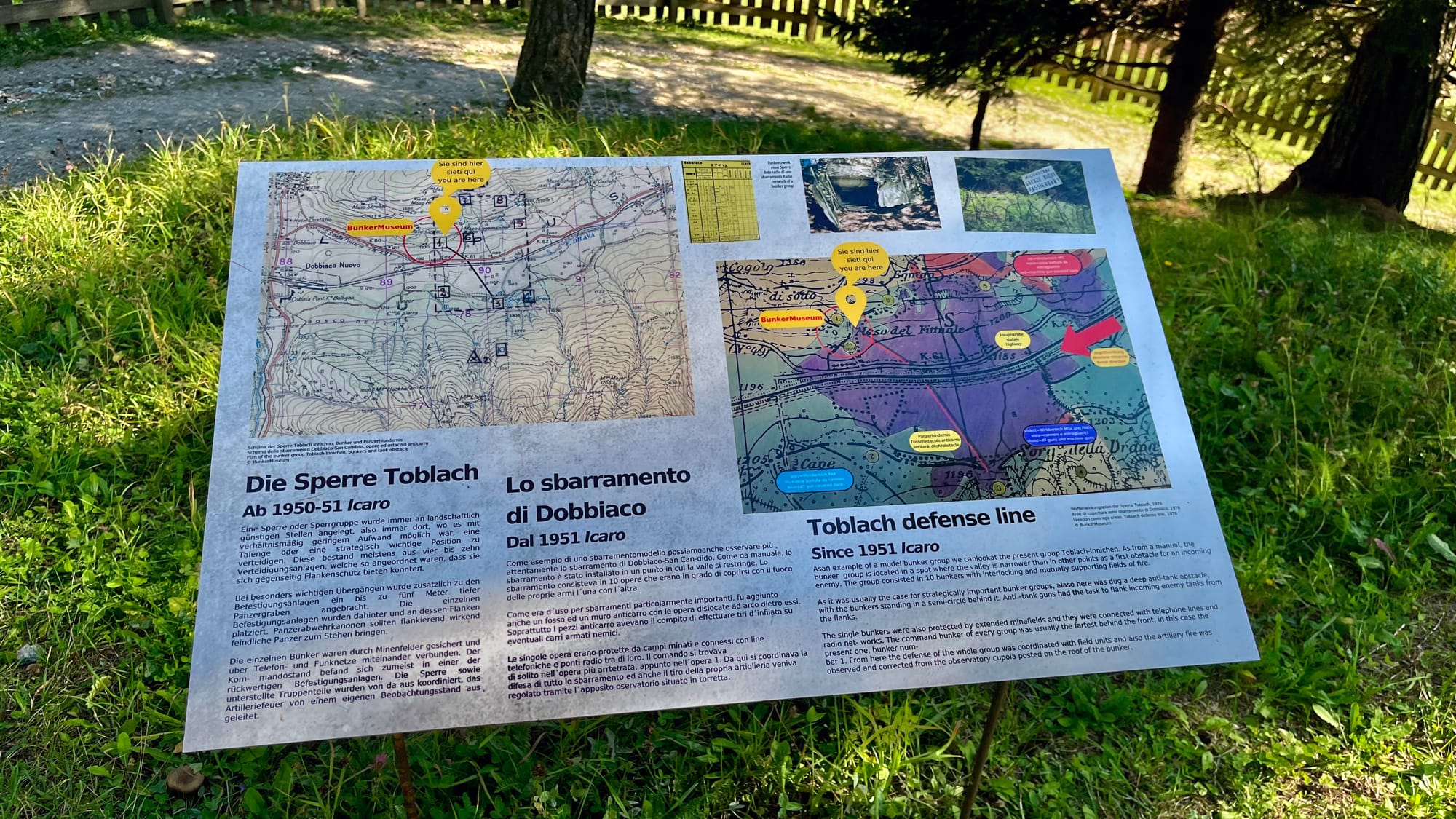
Once down in the bunker it is noticeably colder, a welcome break from the heat of the September sun outside.
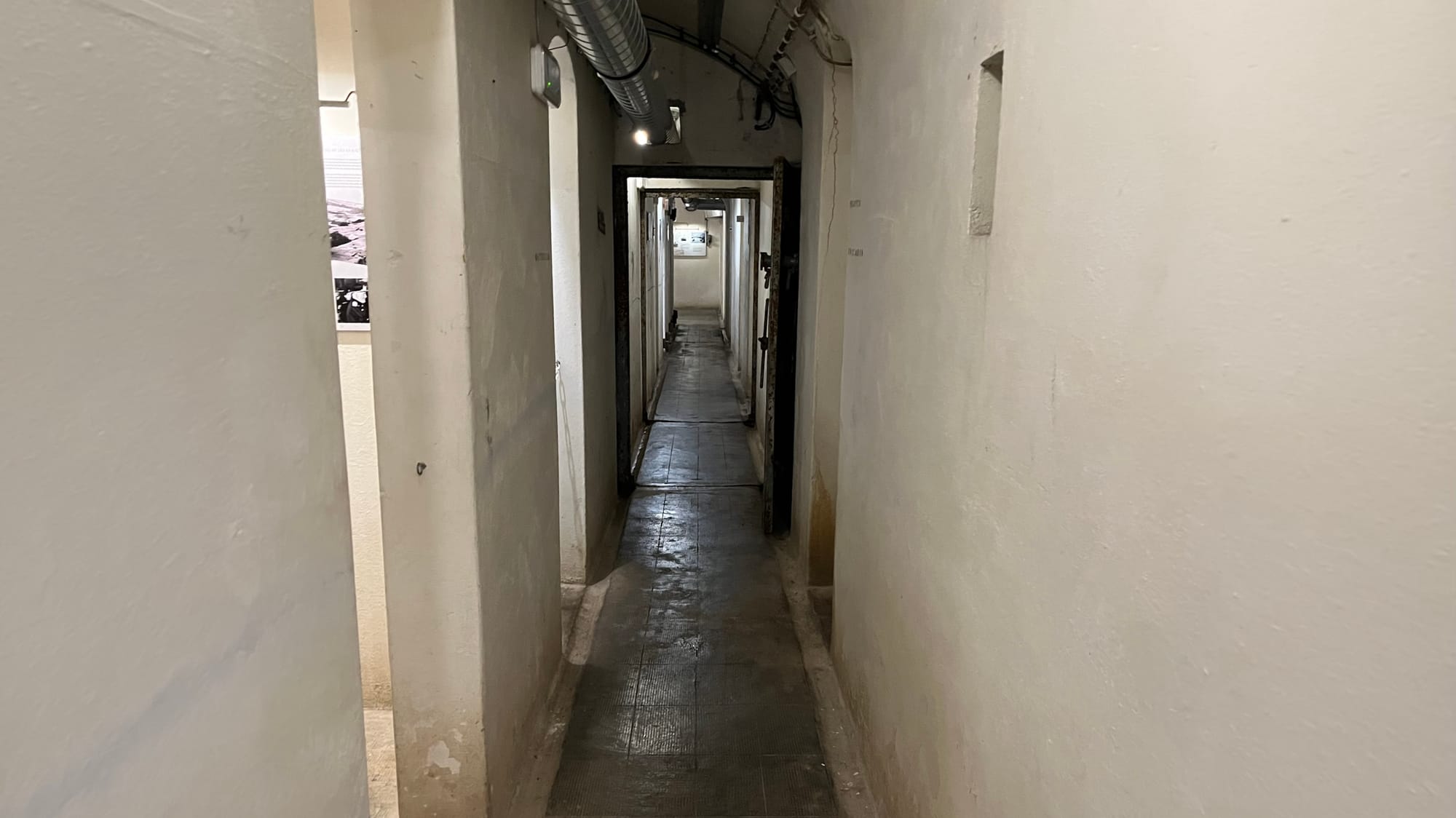
There are many rooms inside the bunker, all looking similar in size. We could see little evidence there were many doors to the rooms except where there were weapon systems.
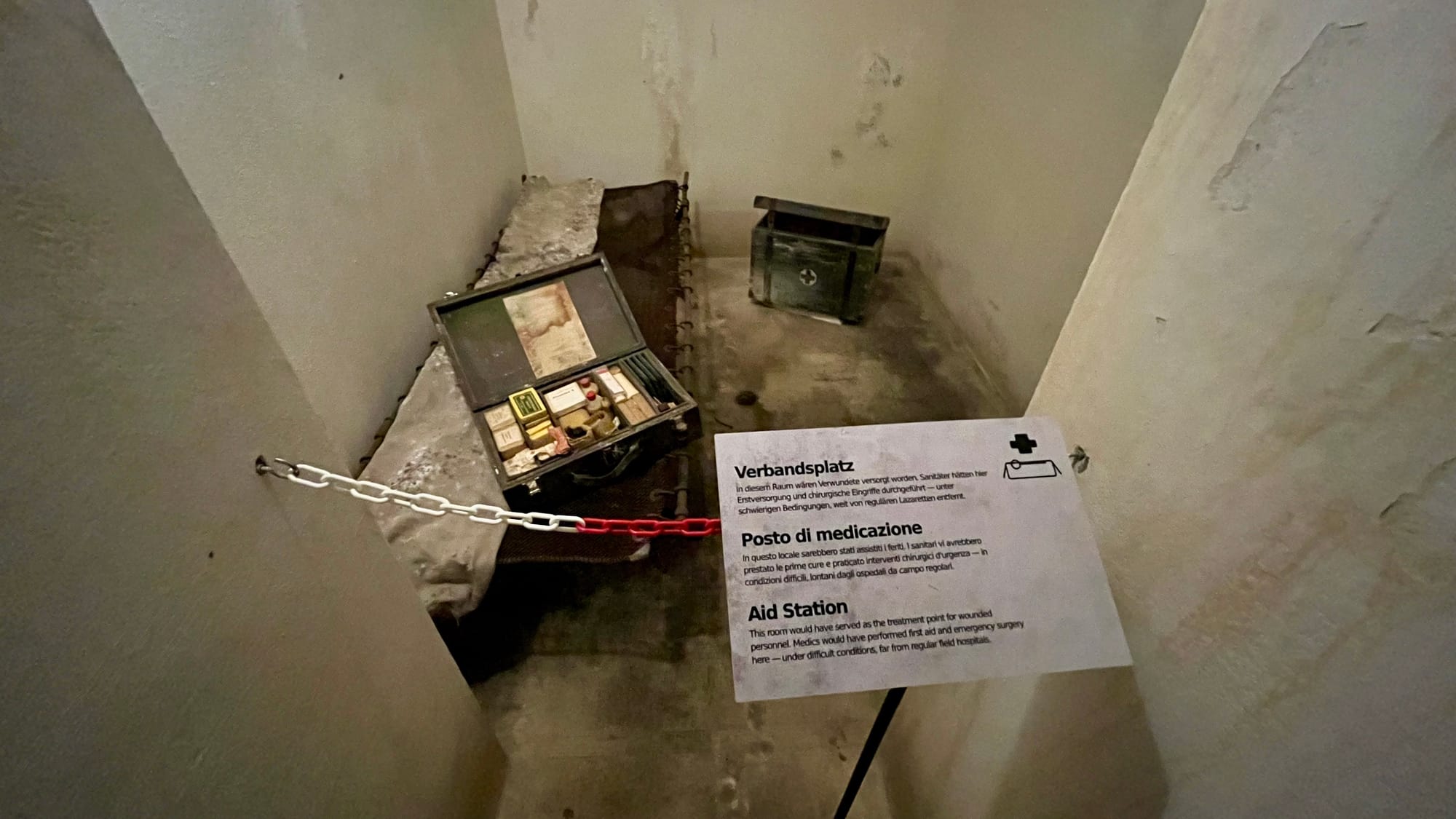
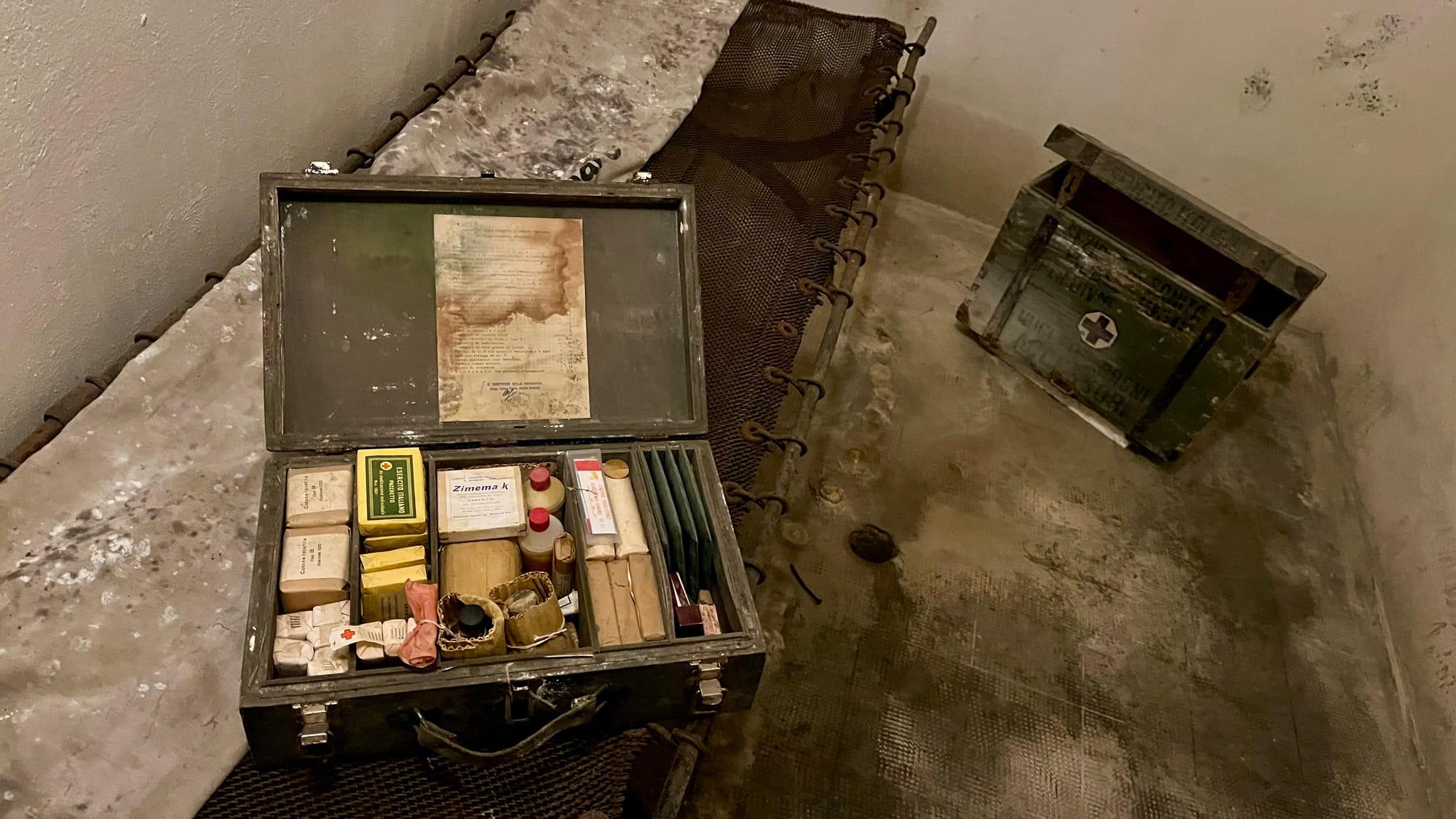
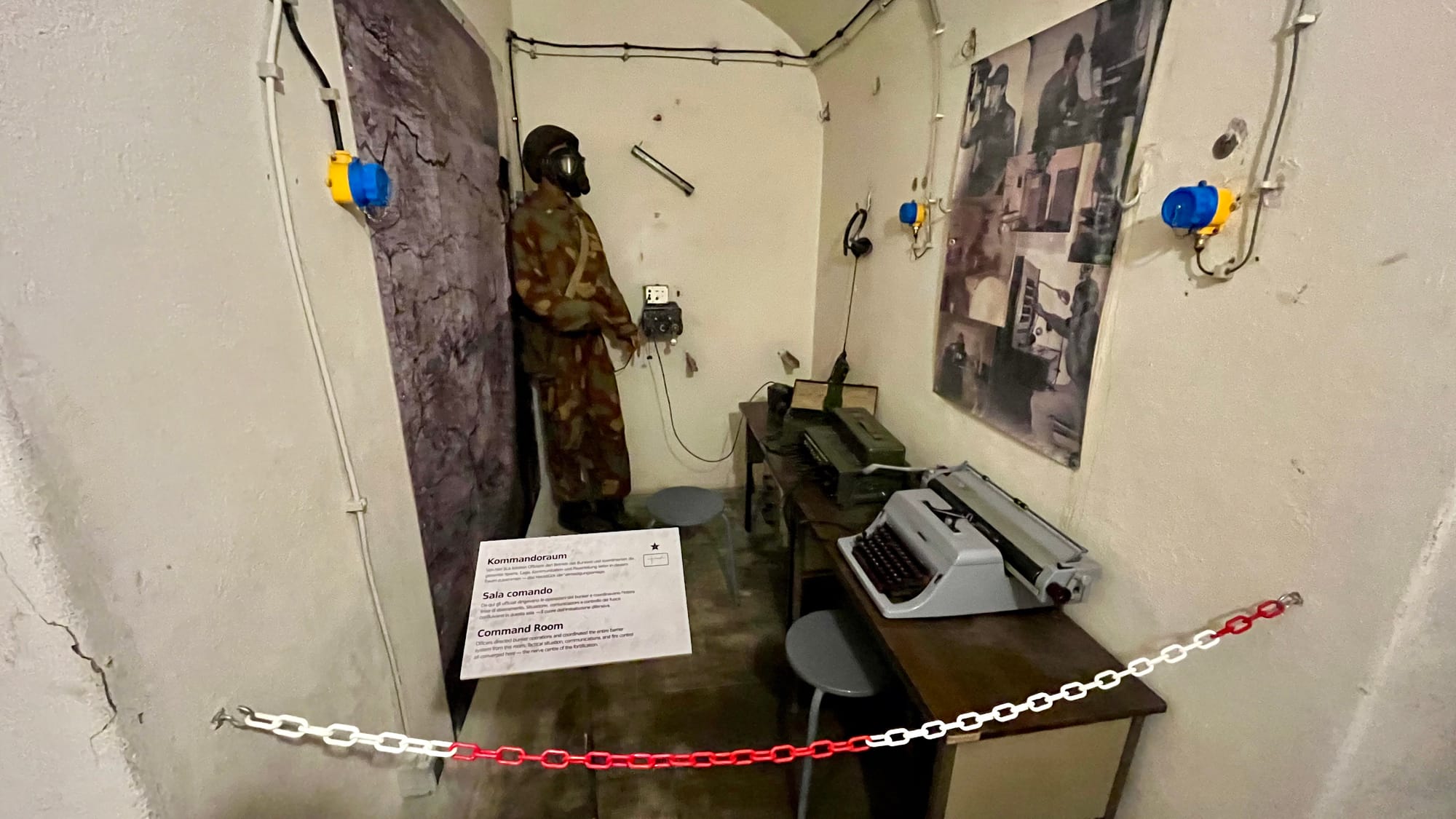
Various rooms within the bunker
The information panels throughout the bunker told a depressing story. The bunker would have been mostly ineffective should a war have broken out.
Everyone here would likely have eventually been killed, and it would not have stopped the enemy – at most it might have bought NATO some time – a day or two at most – to delay the Warsaw Pact advance.
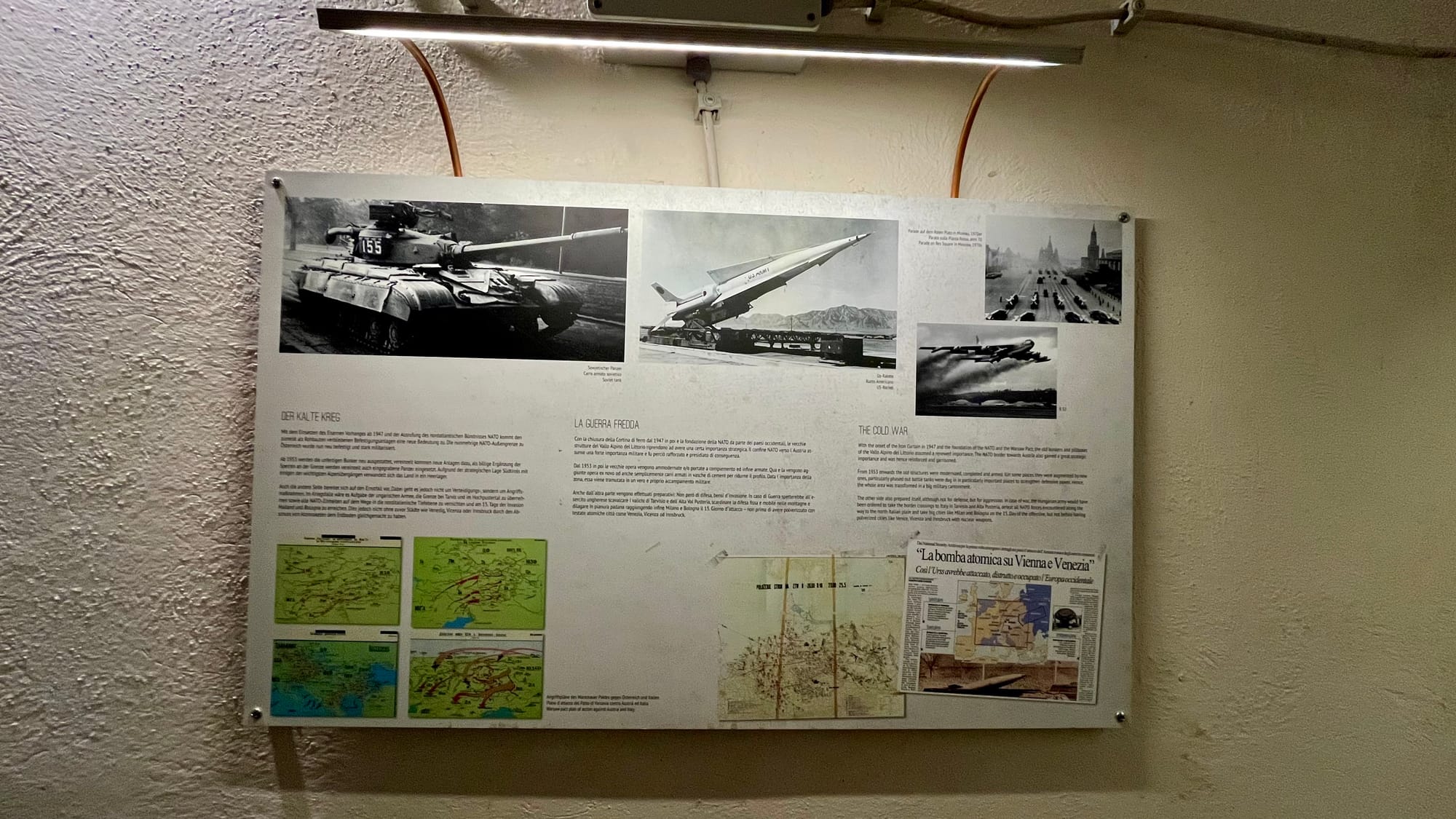
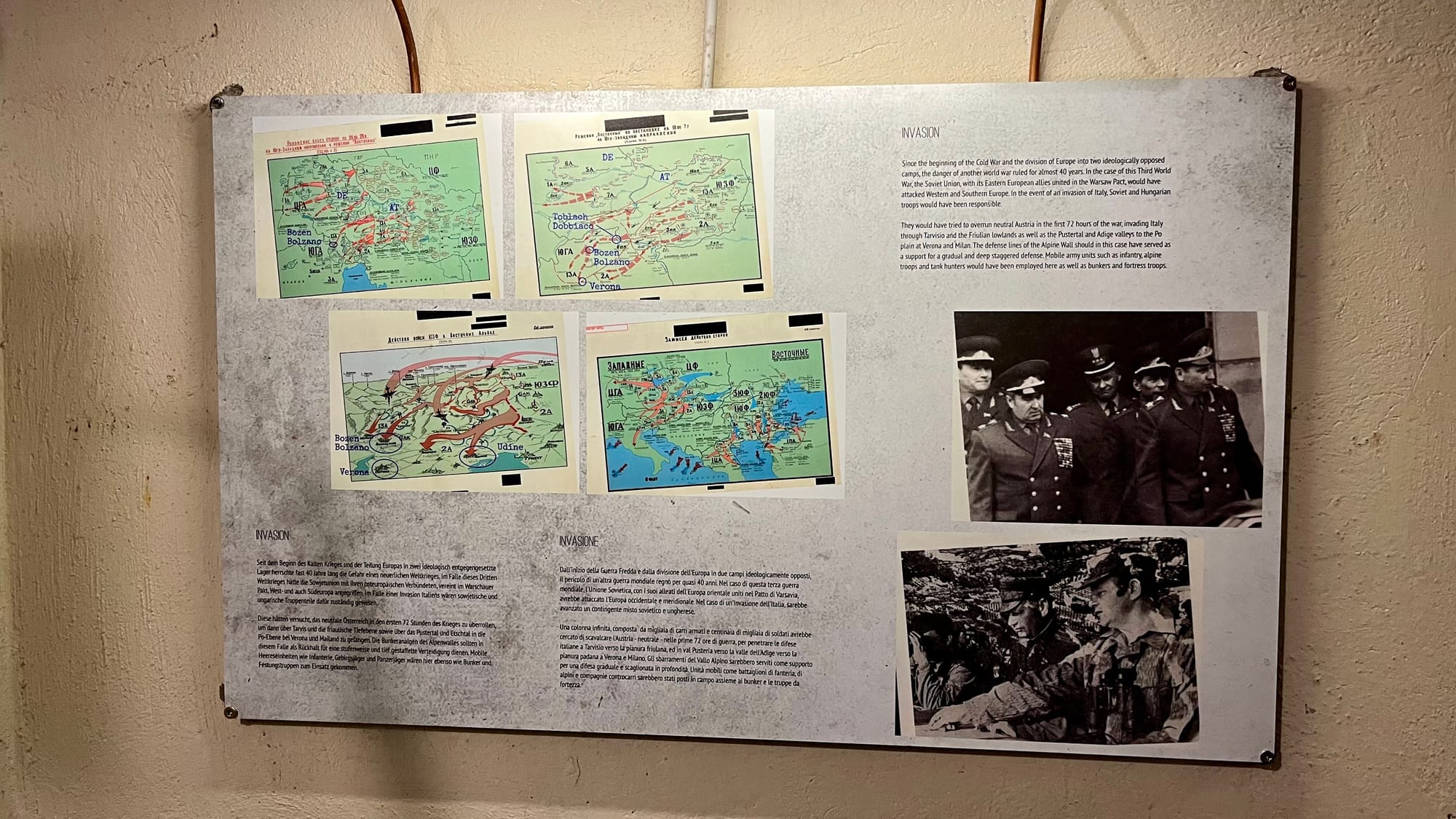
Information boards within the museum
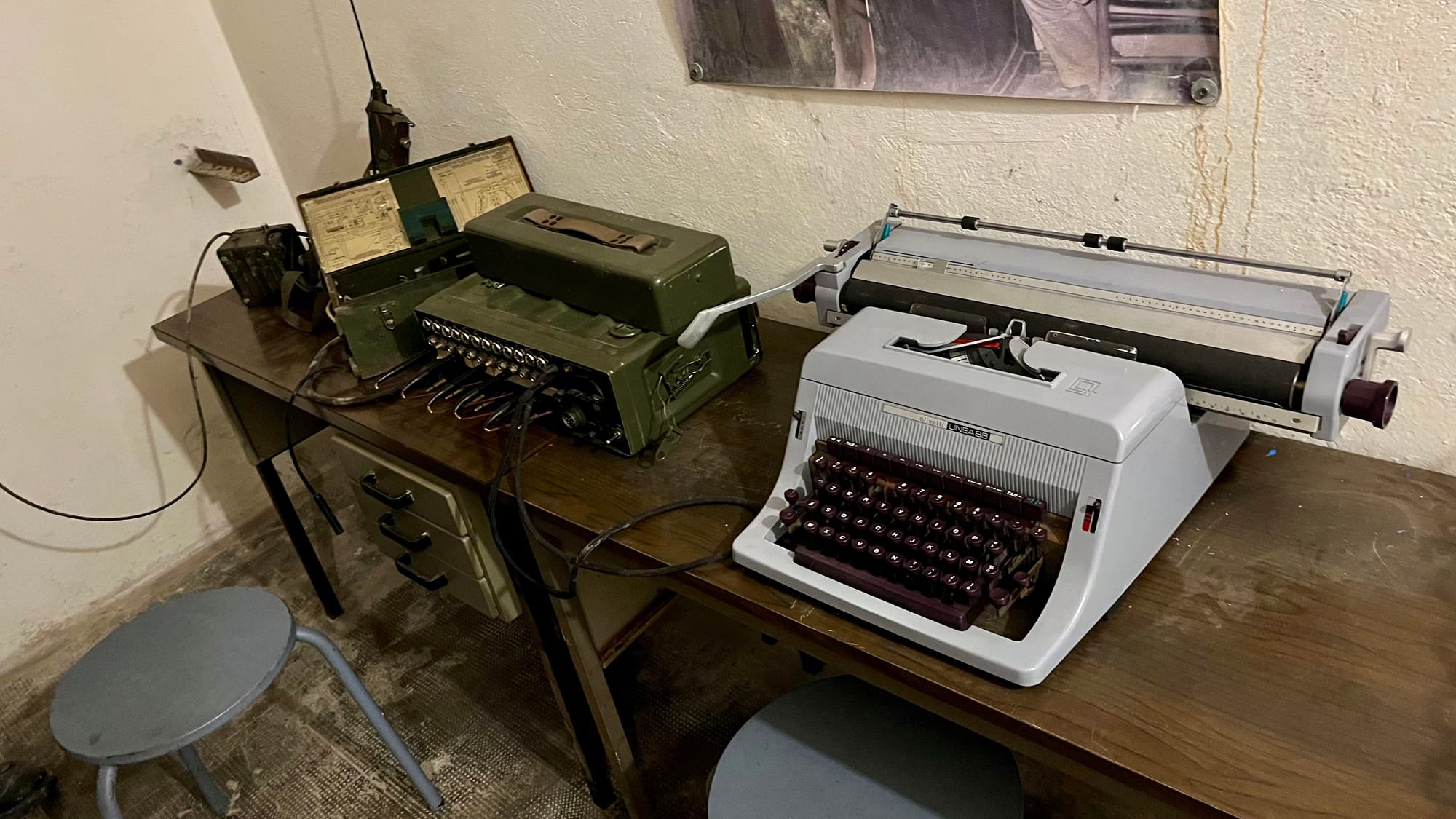
Radio communications was vital for the bunker as it was part of a wider defense network in the Tyrol area and would have needed to co-ordinate its response in the event of war.
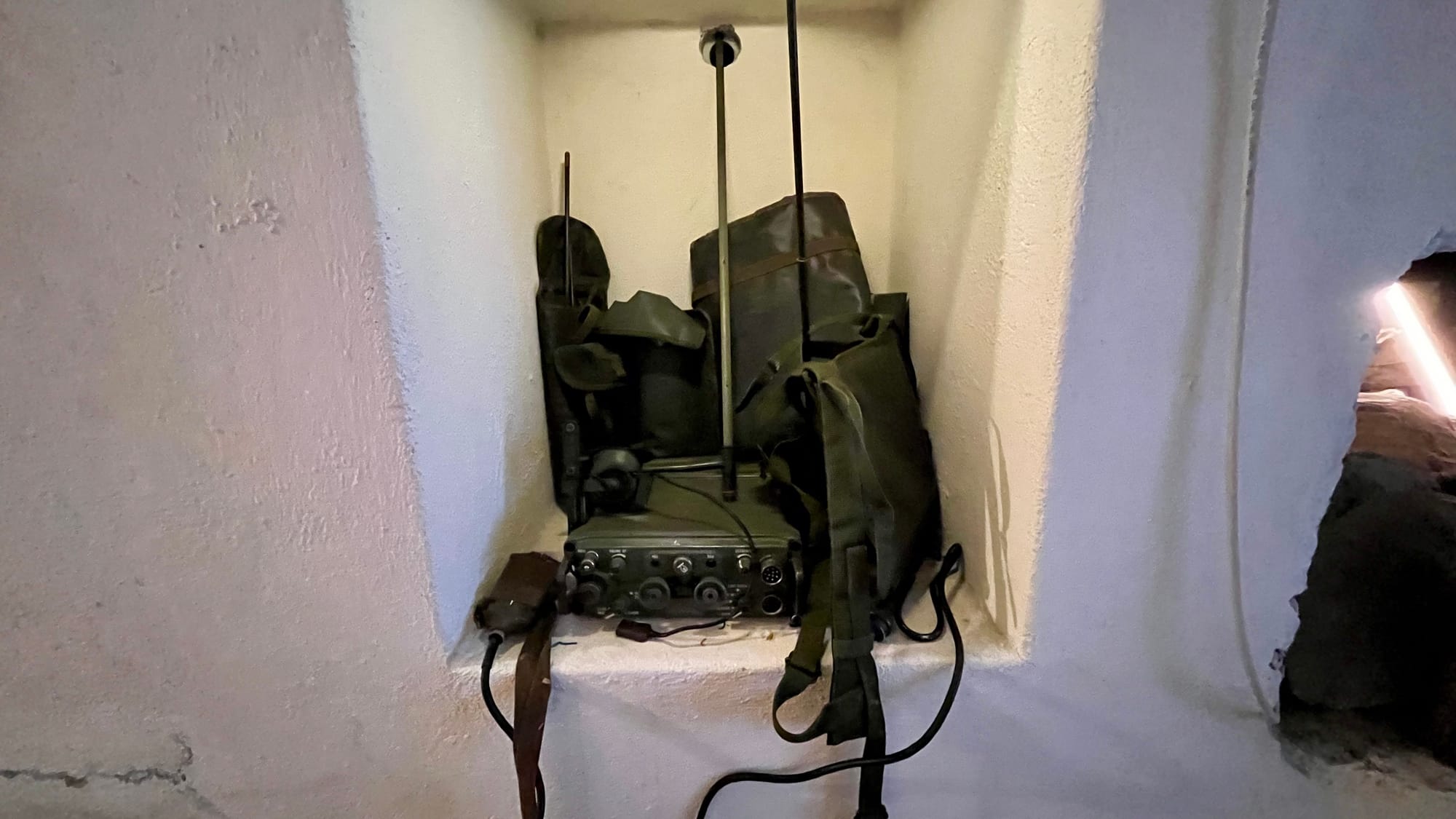
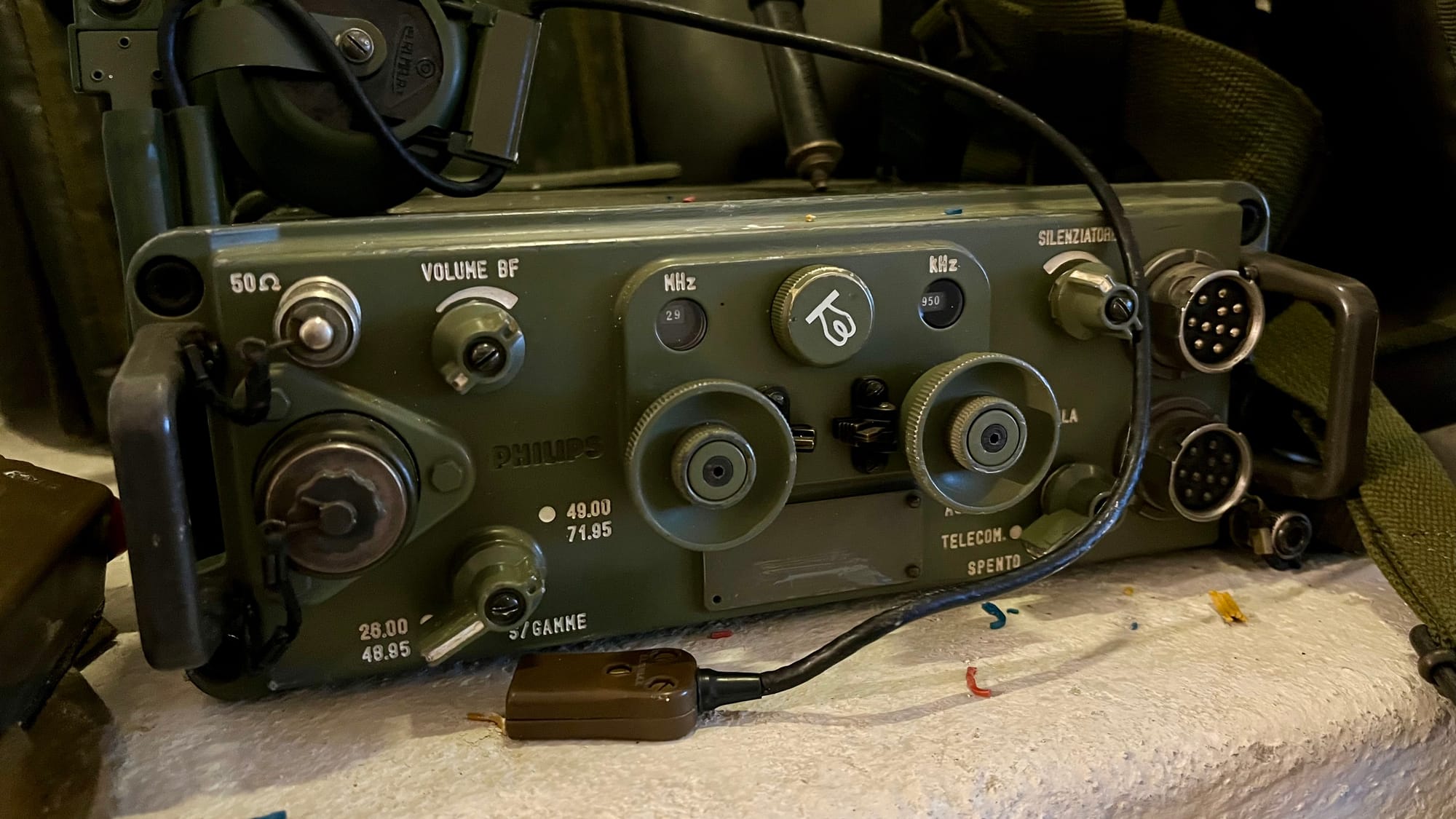
Radio equipment from the bunkers active era
The bunker’s machine gun turrets offered a good observation point over the entire valley it was protecting.
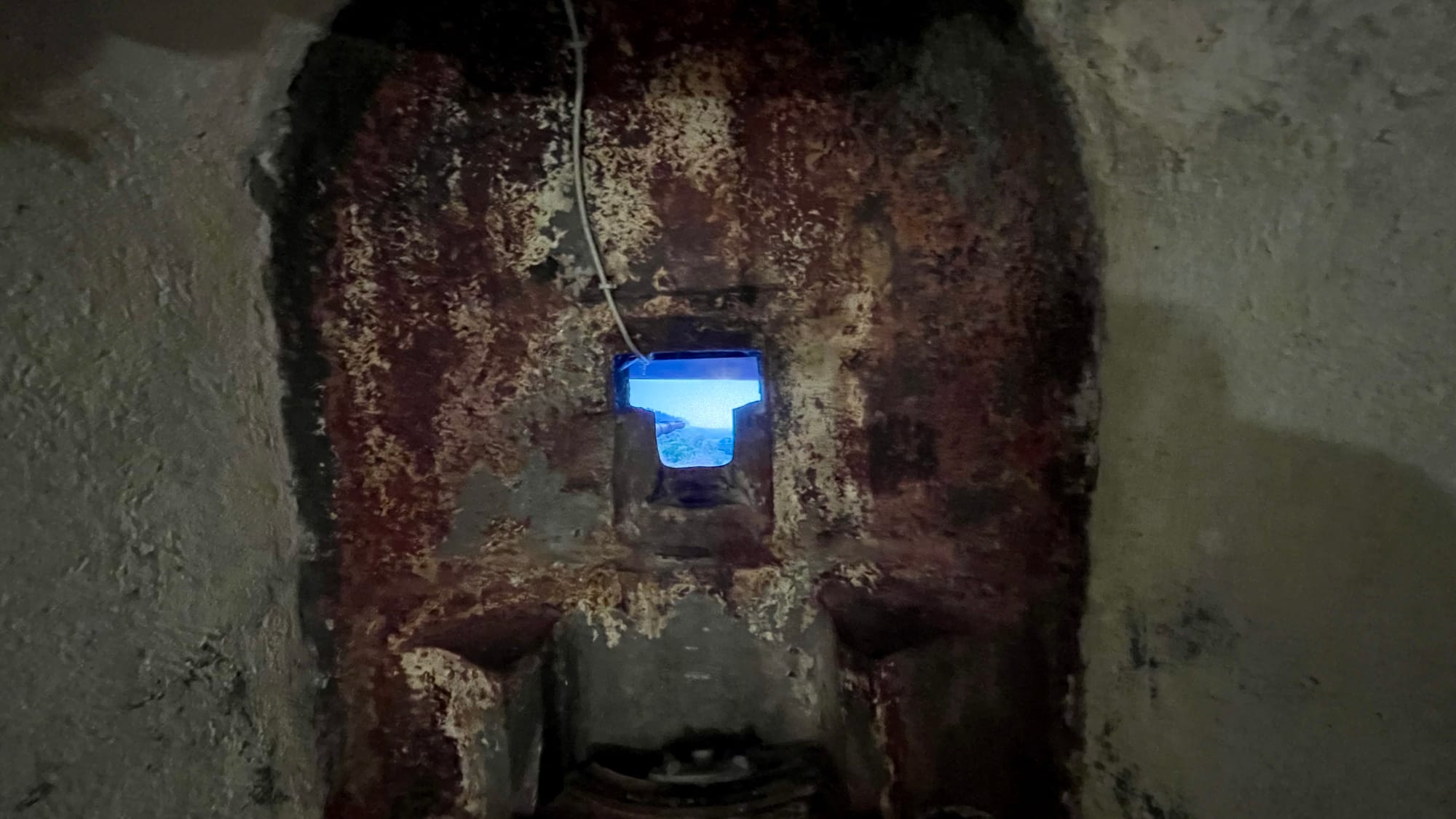
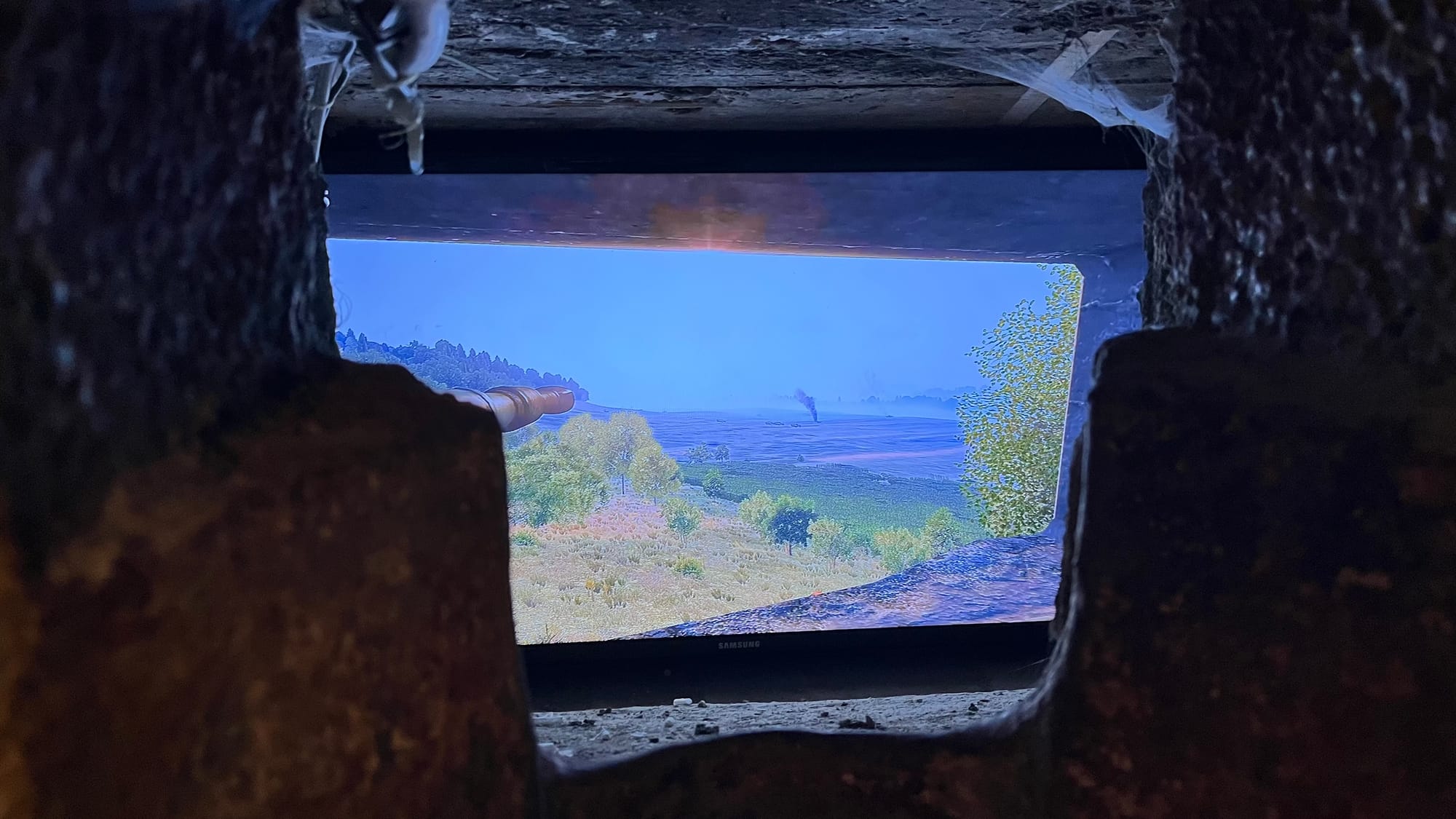
Machine gun turrets
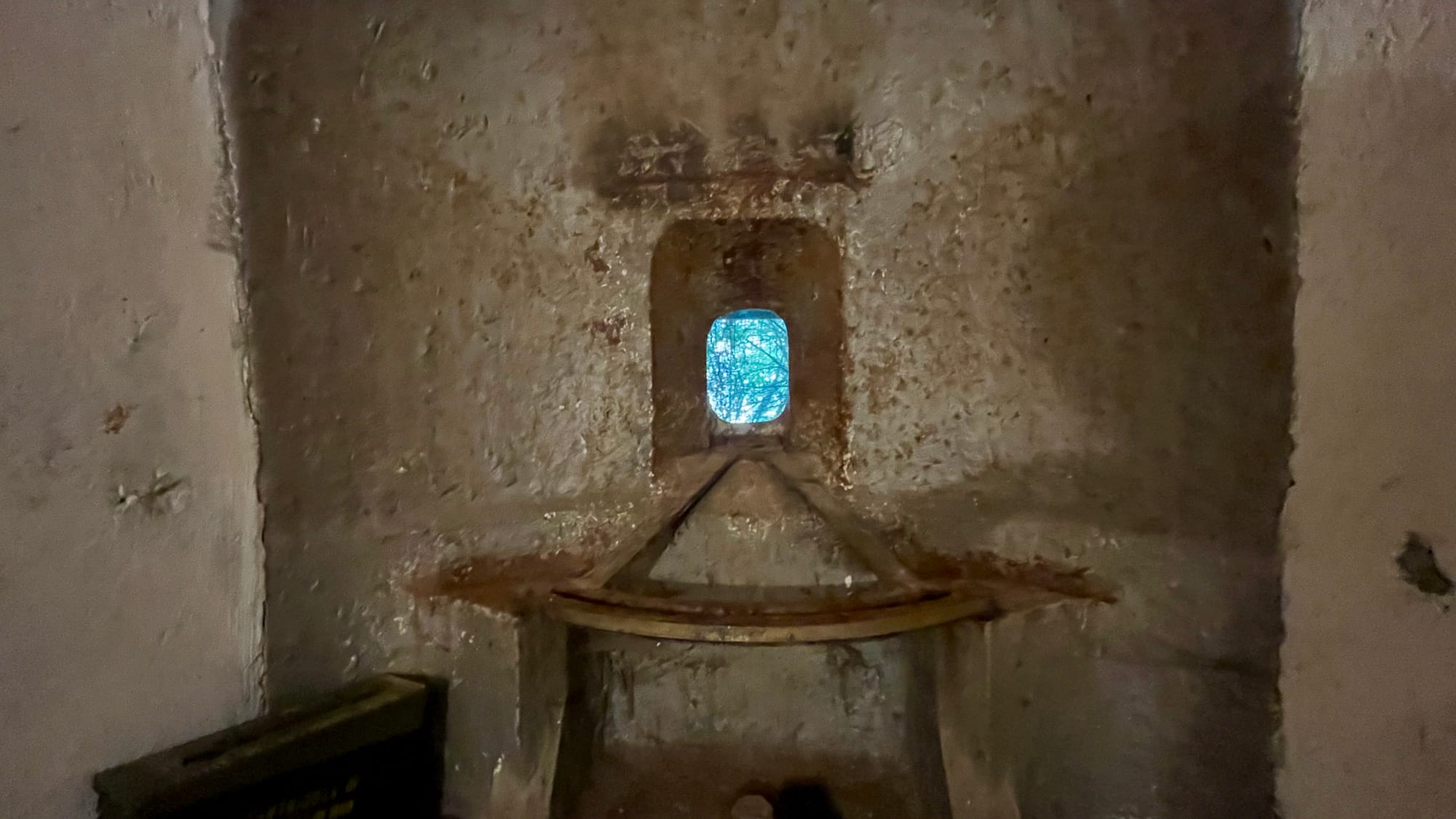
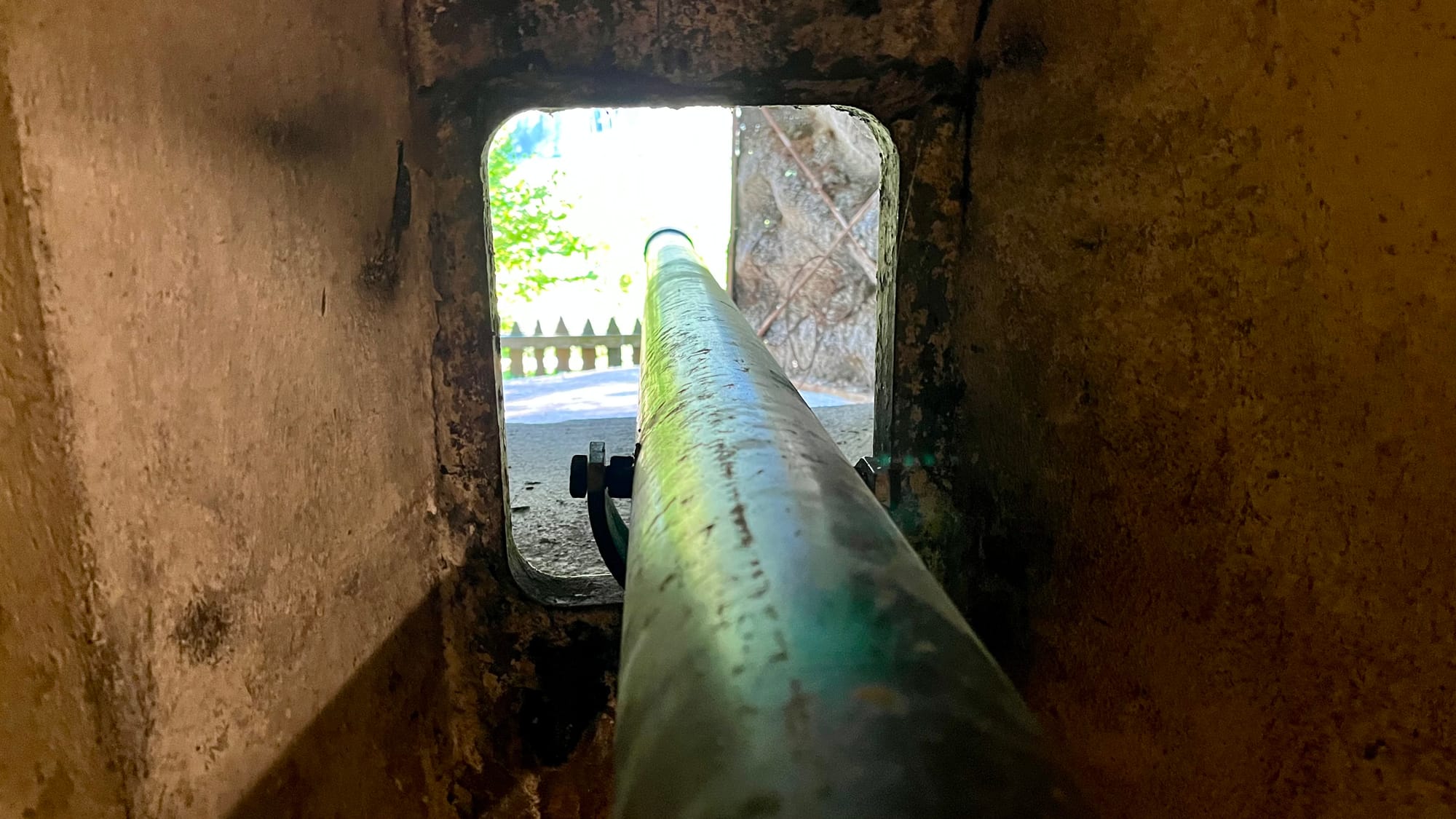
There were also some larger anti-tank weapon systems.
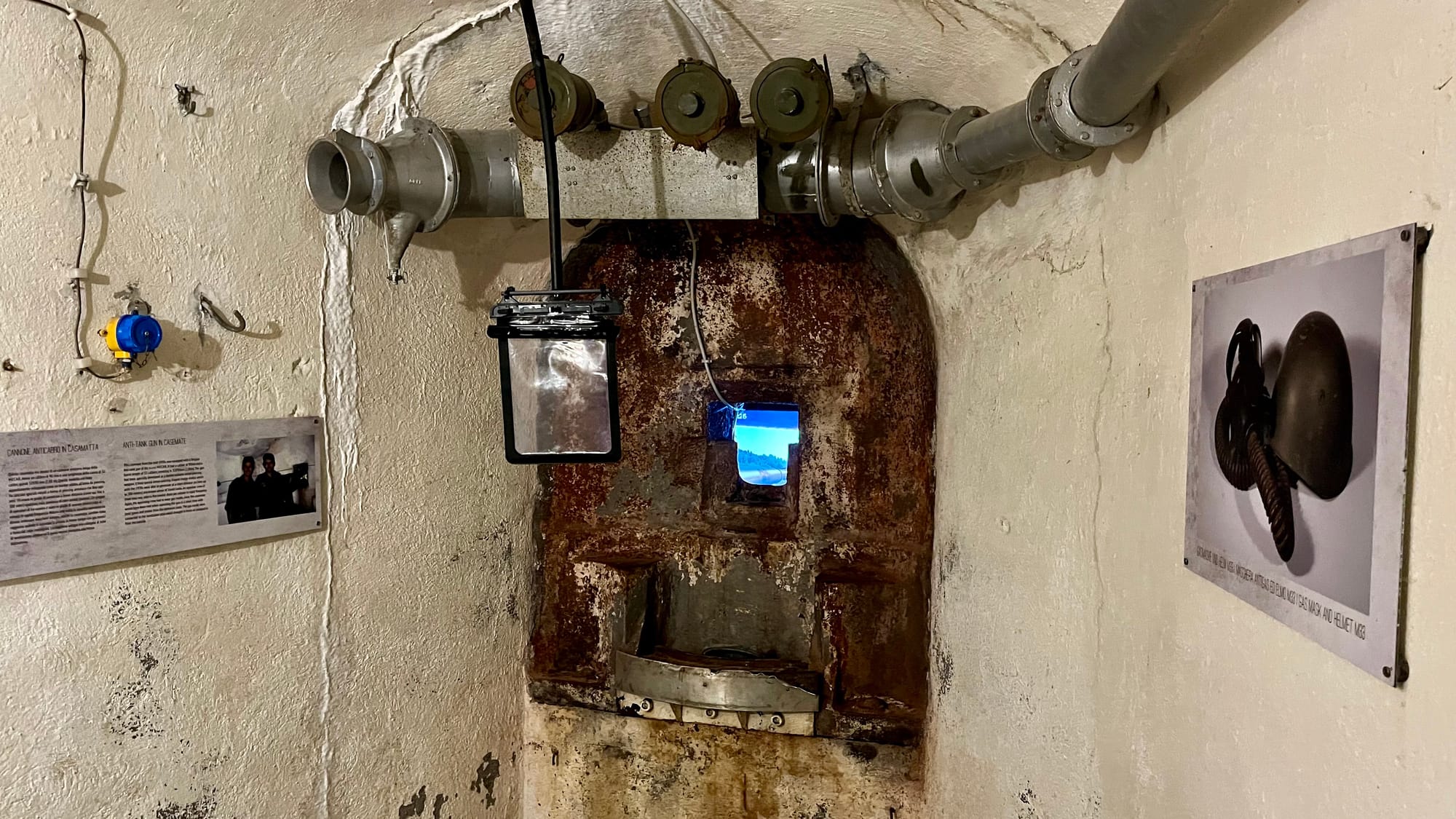
The weapons system crew of three would have been sealed into this room should war have broken out and would have worn gas masks that connected into the three connectors on the pipe overhead.
This linked into the bunker’s overall air filtration system and helped protect the crew against a gas attack by the enemy. Each of the various weapon rooms in this bunker had the same attachments.
One of the anti-tank rooms from the outside.
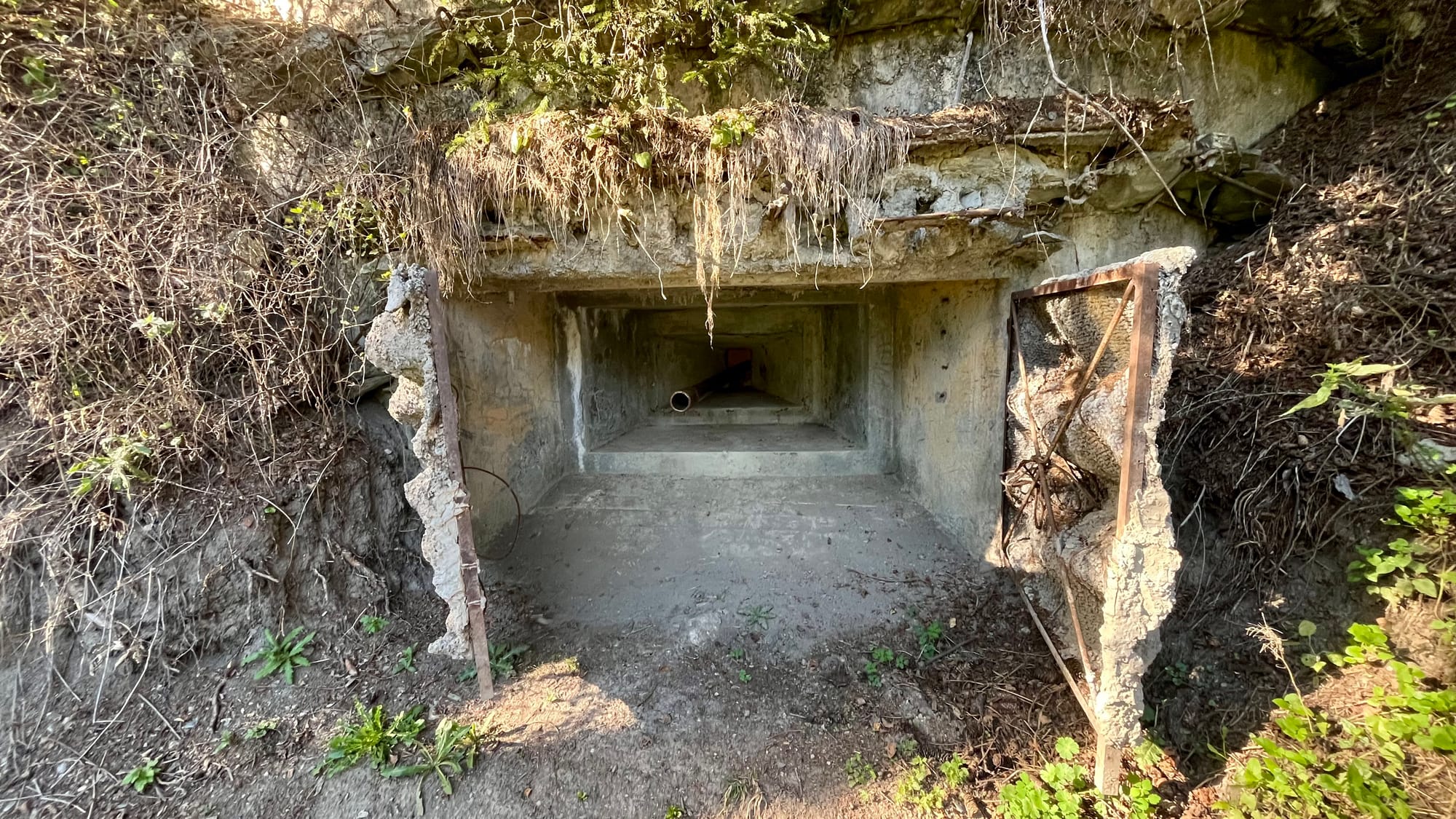
The outside of the bunker was impressively camouflaged to blend in with the surrounding hills and rock formations.
However, over the decades of the bunkers operation many East German Stasi agents – who had responsibility for intelligence gathering in this area – were detected posing as tourists with cameras monitoring the bunker.
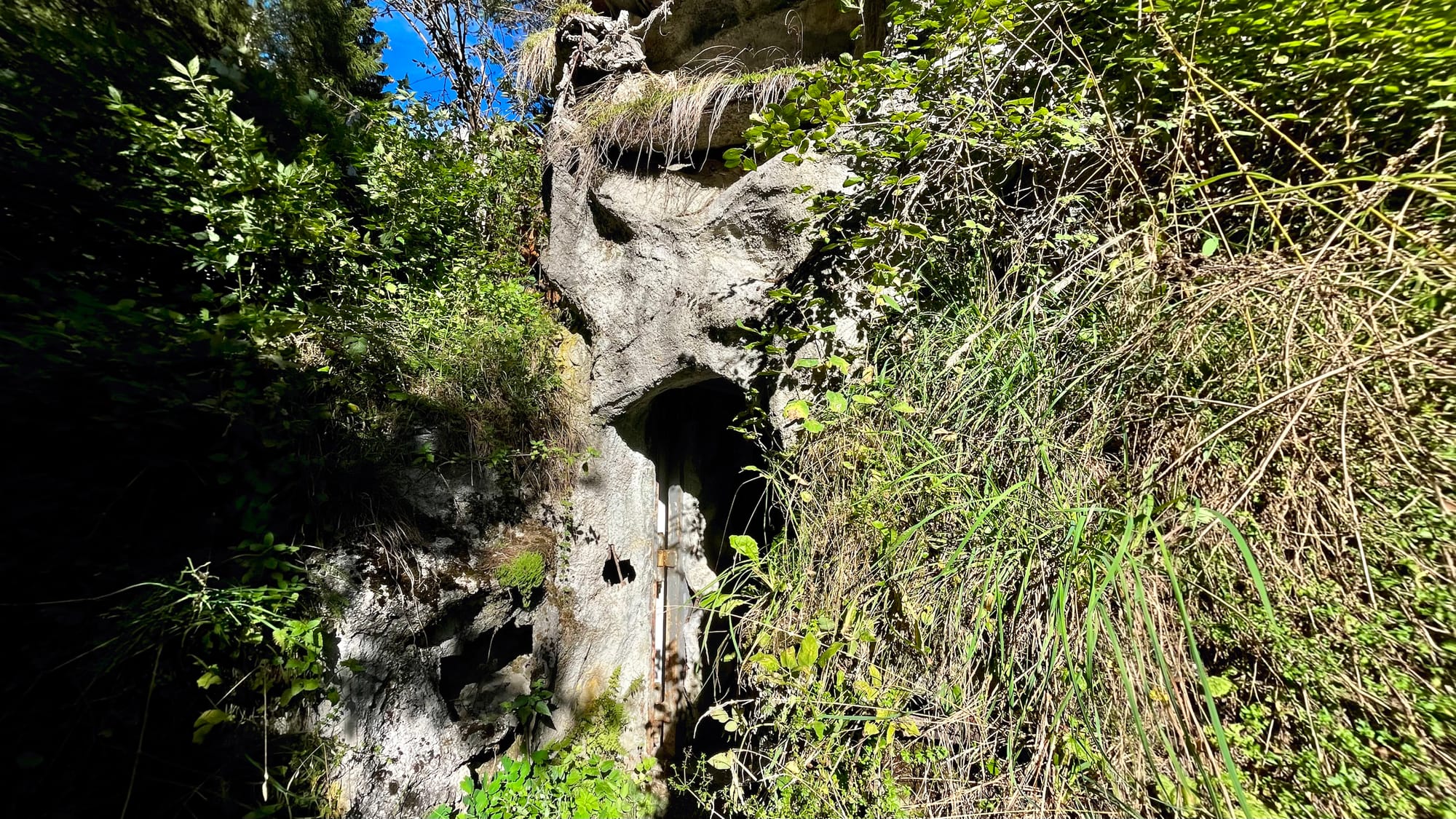
We step back out in the warm afternoon sun and walk down to our parked car.
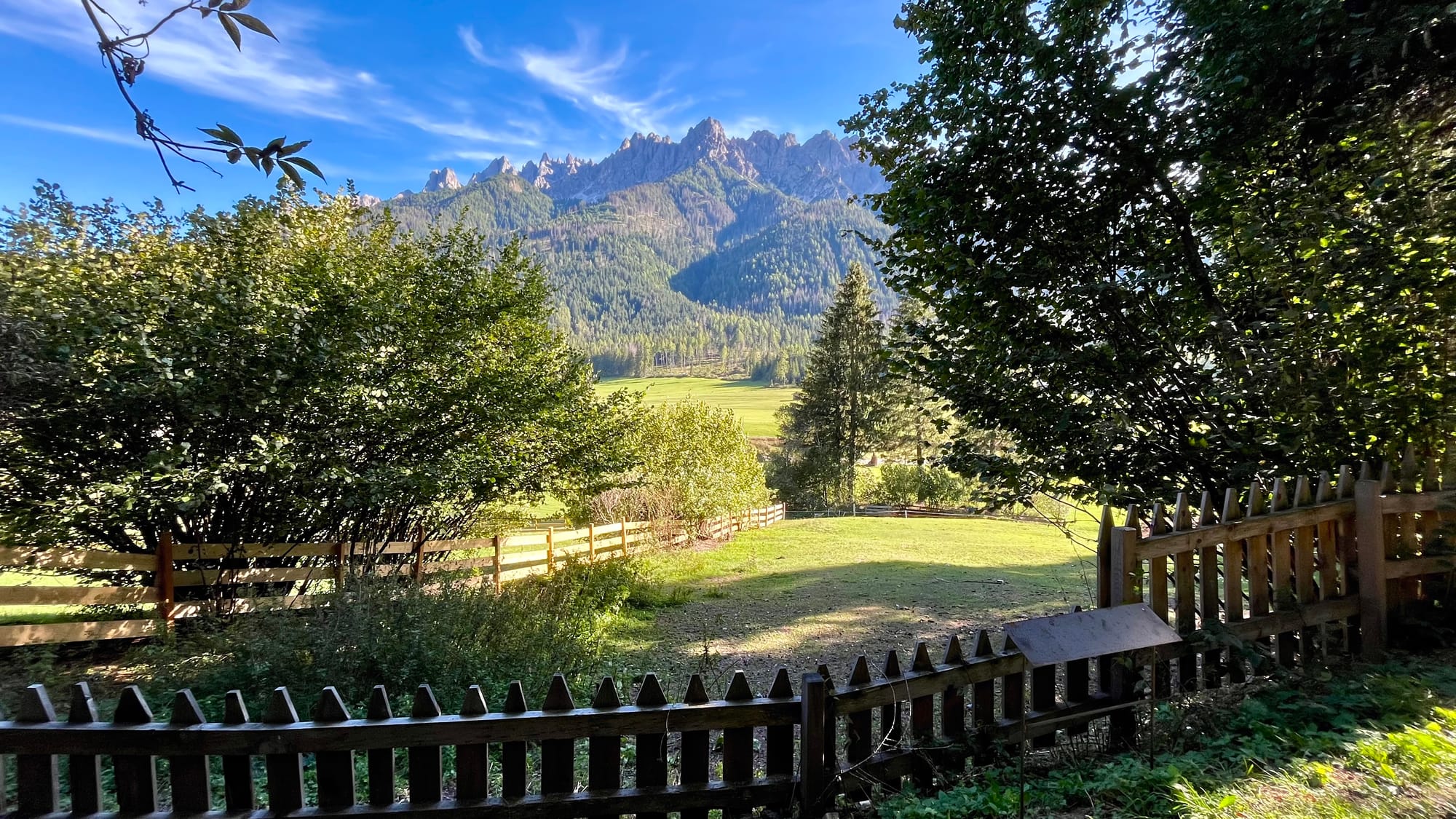
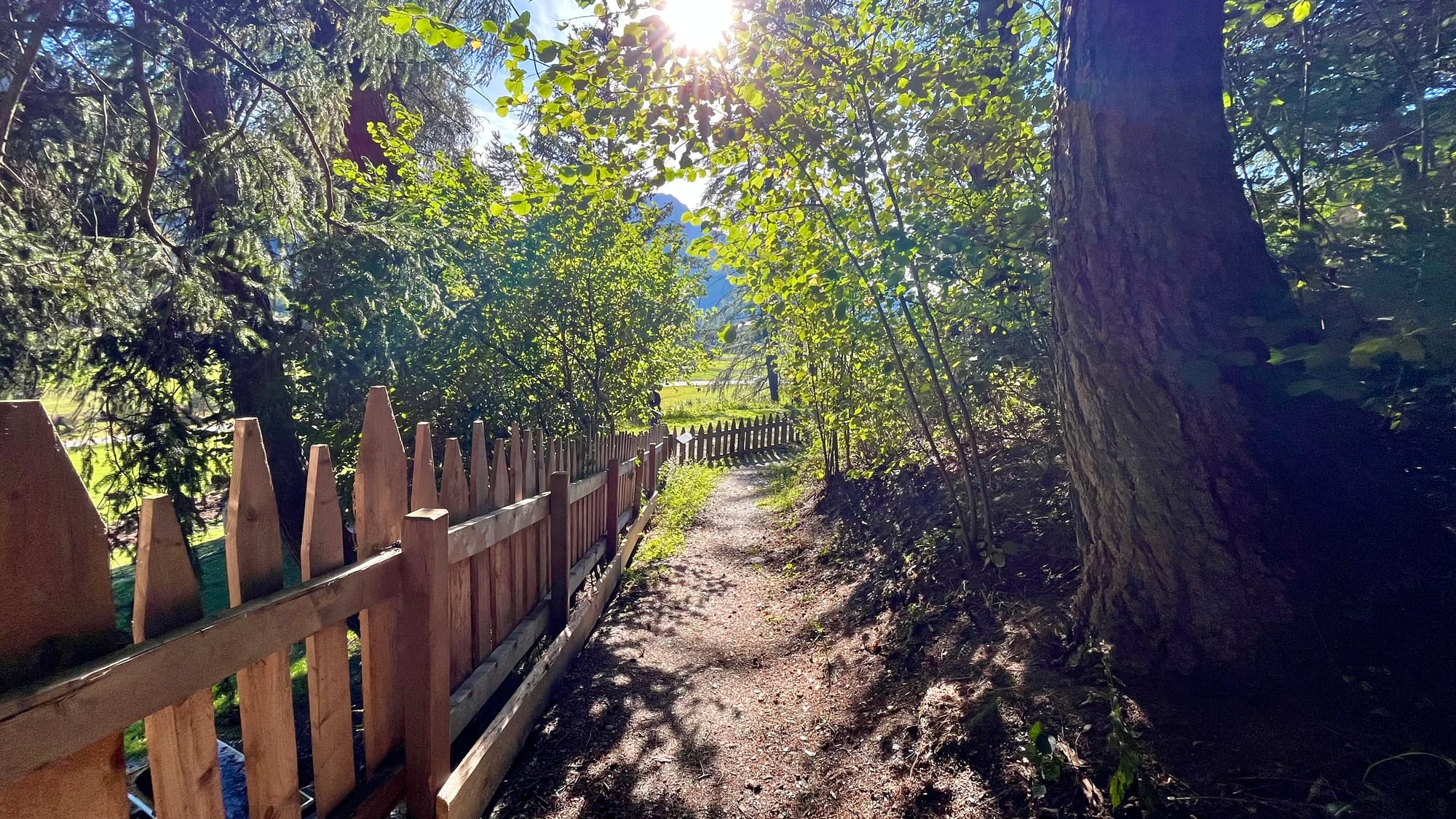
Walking back to our car on exiting the bunker museum
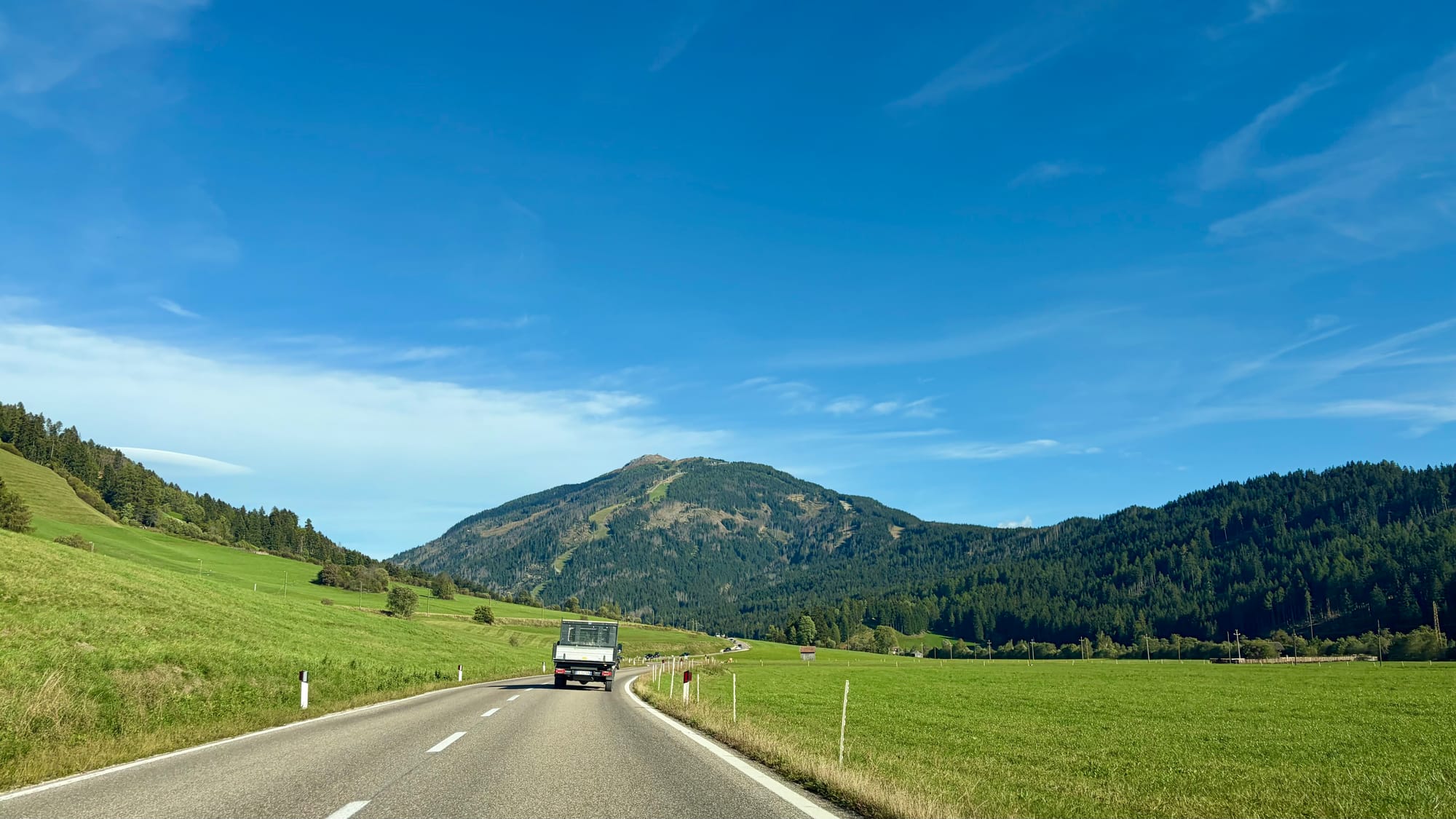
We continue on in the direction of Austria.
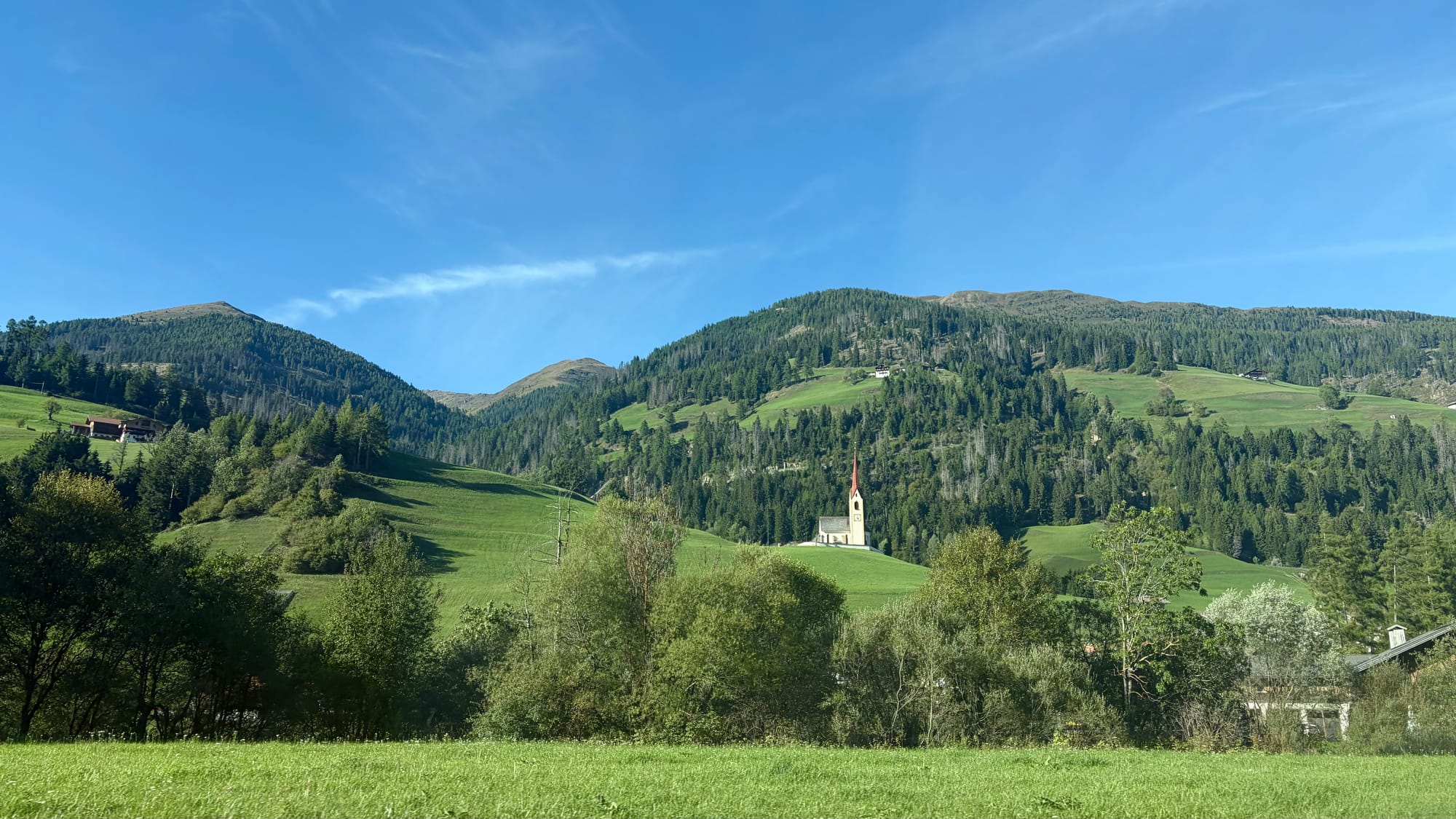
Passing the many churches on the hills off to our side.
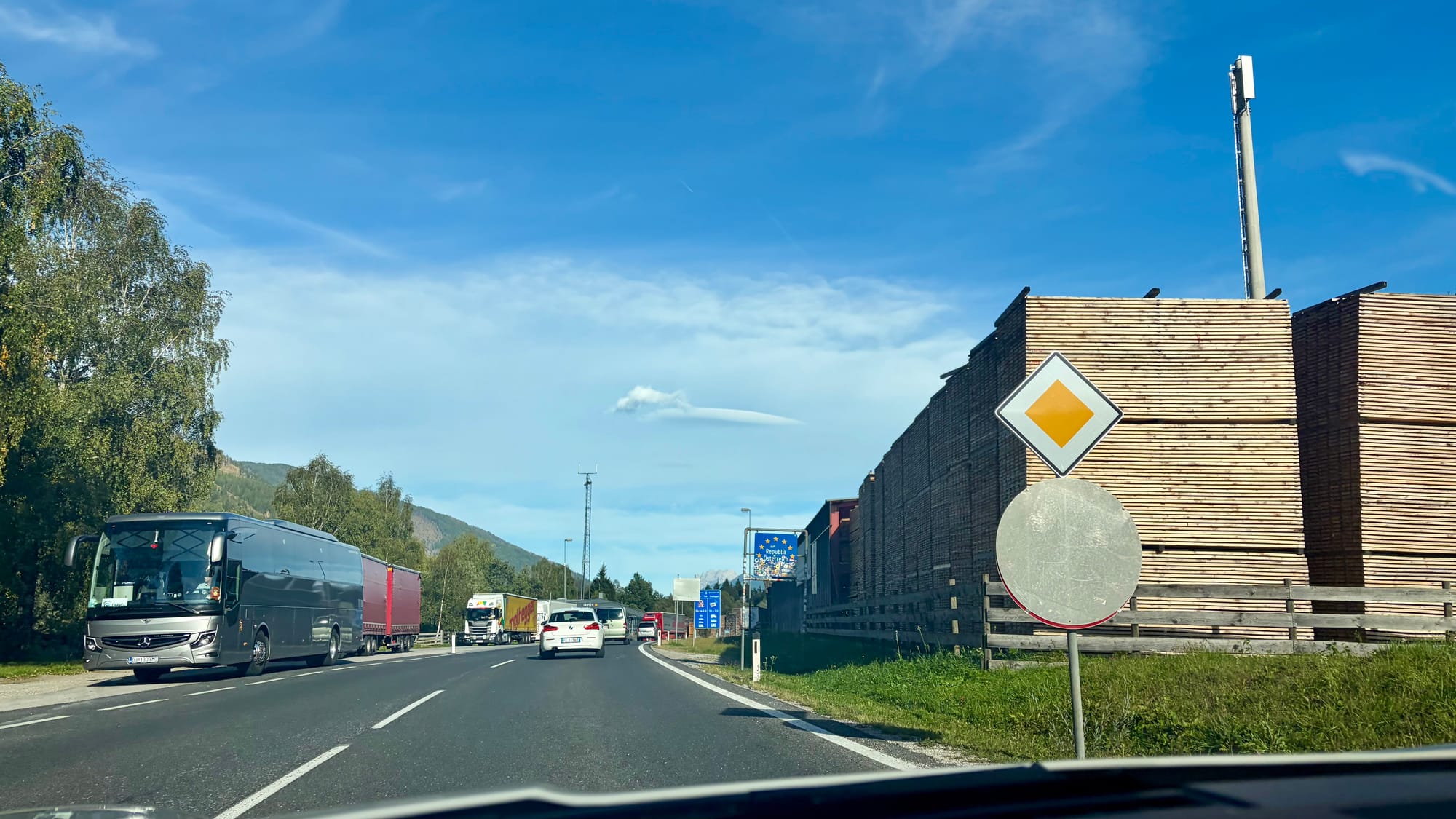
Crossing the seamless border into Austria shortly afterwards with no delays. Where the improvement in quality of driving and the reduction in Italian tailgating is immediately obvious!
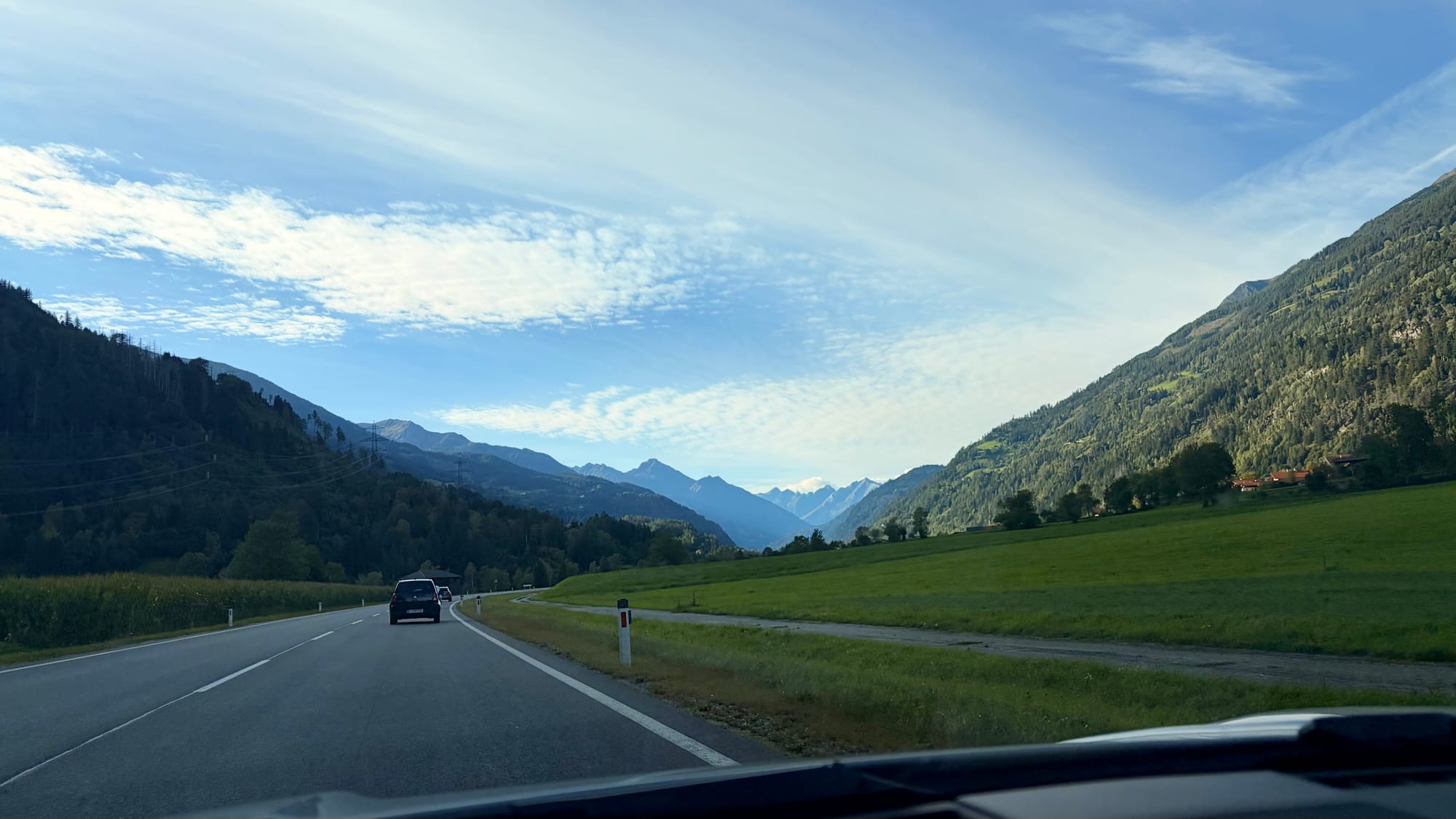
From there it is a very beautiful drive – as the sun starts to set – to Hohe Tauern National Park – our destination for the next two days.
We check into our hotel – in the Hohe Tauern National Park – parking under it and unload our car.
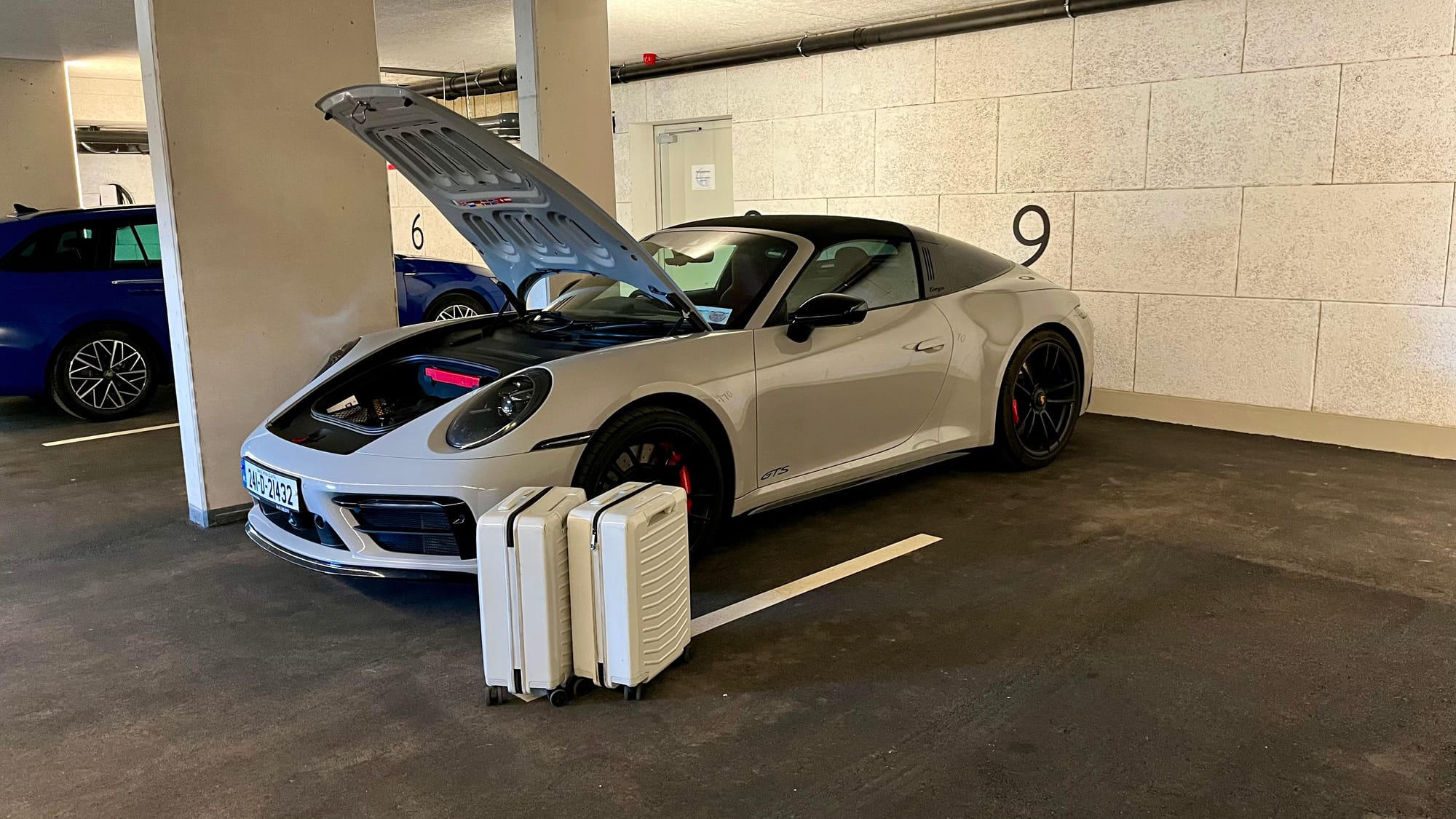
We appreciated our earlier effort in clearing brake dust from the wheels.
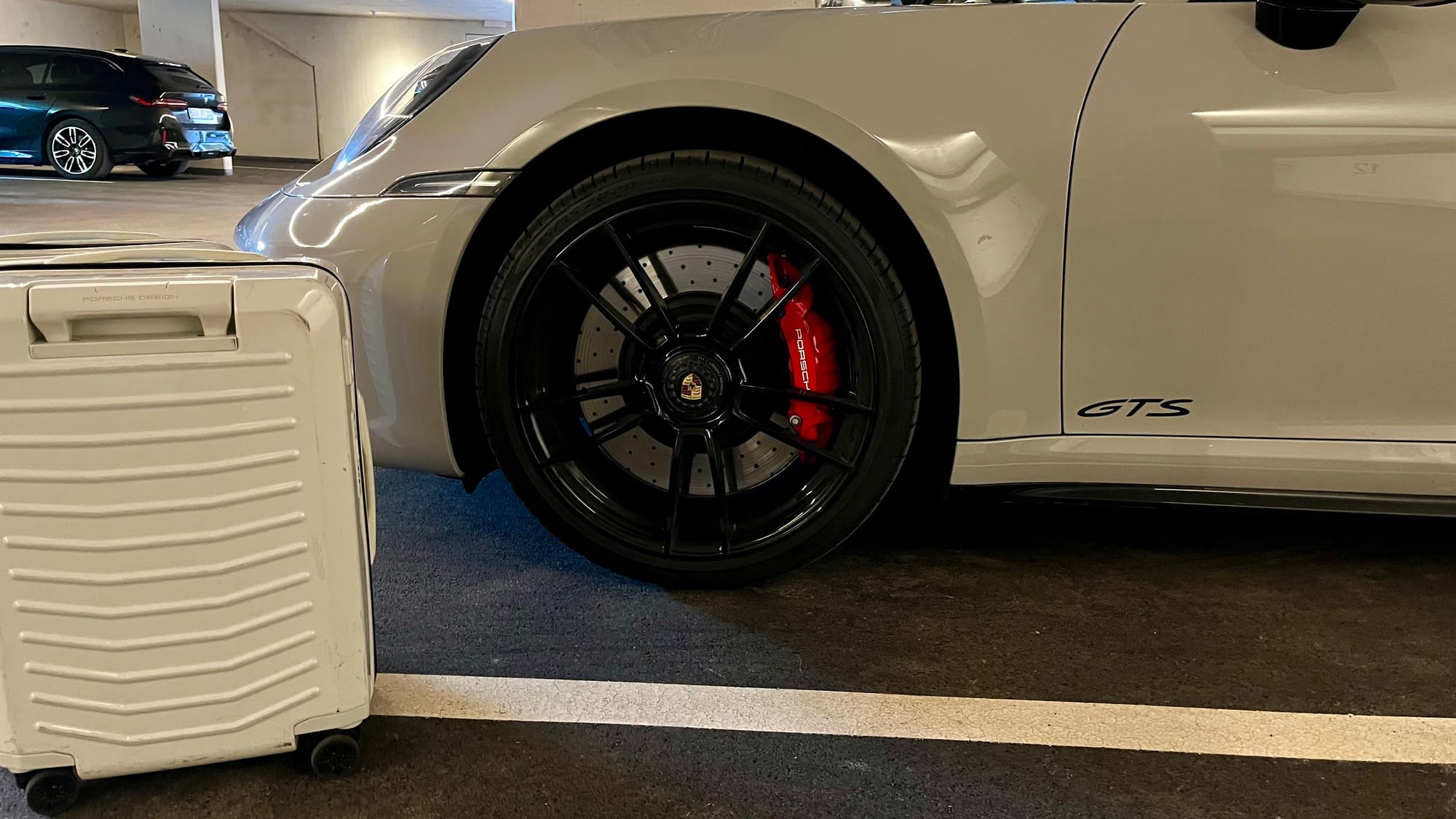
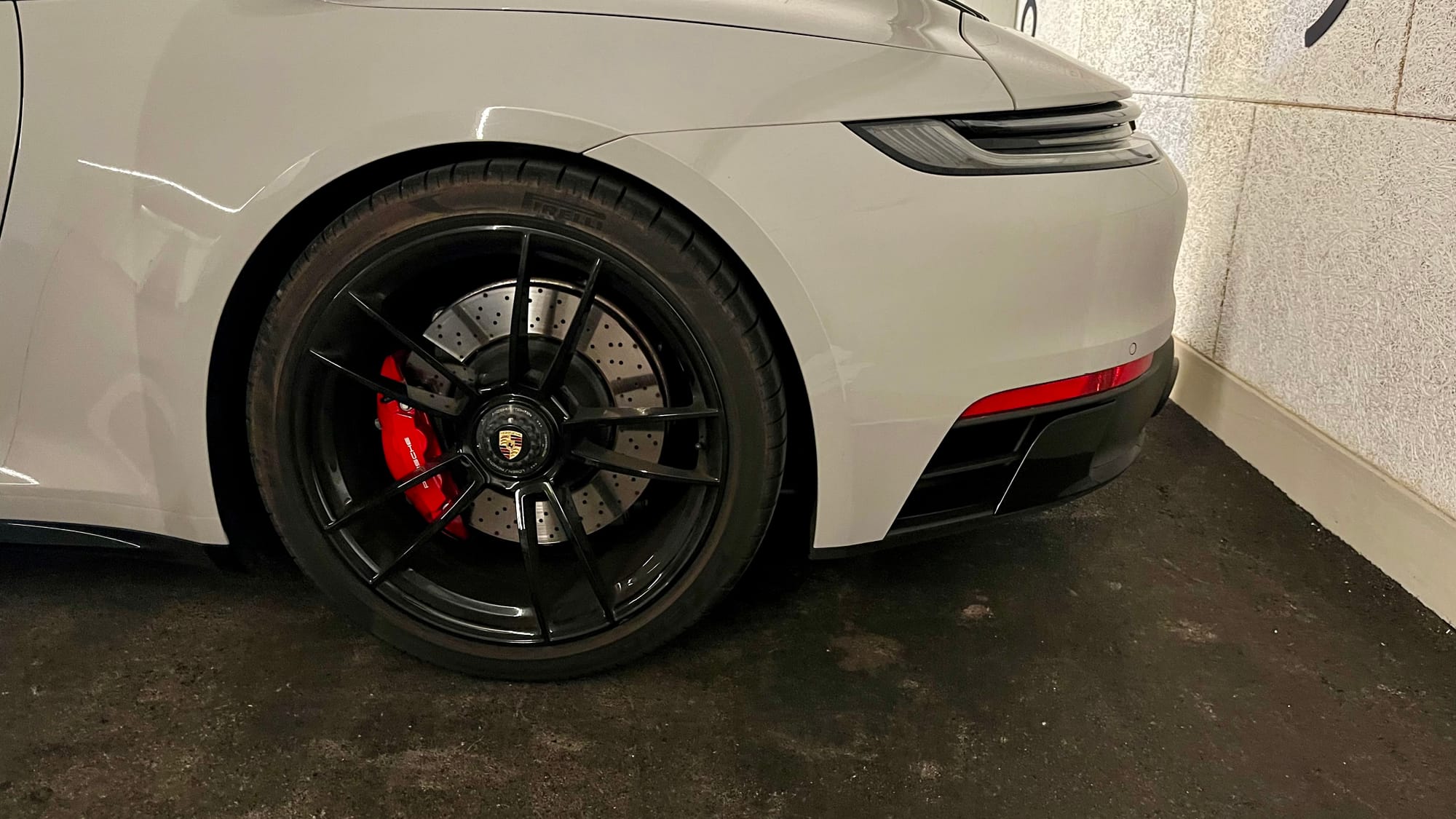
Clean wheels
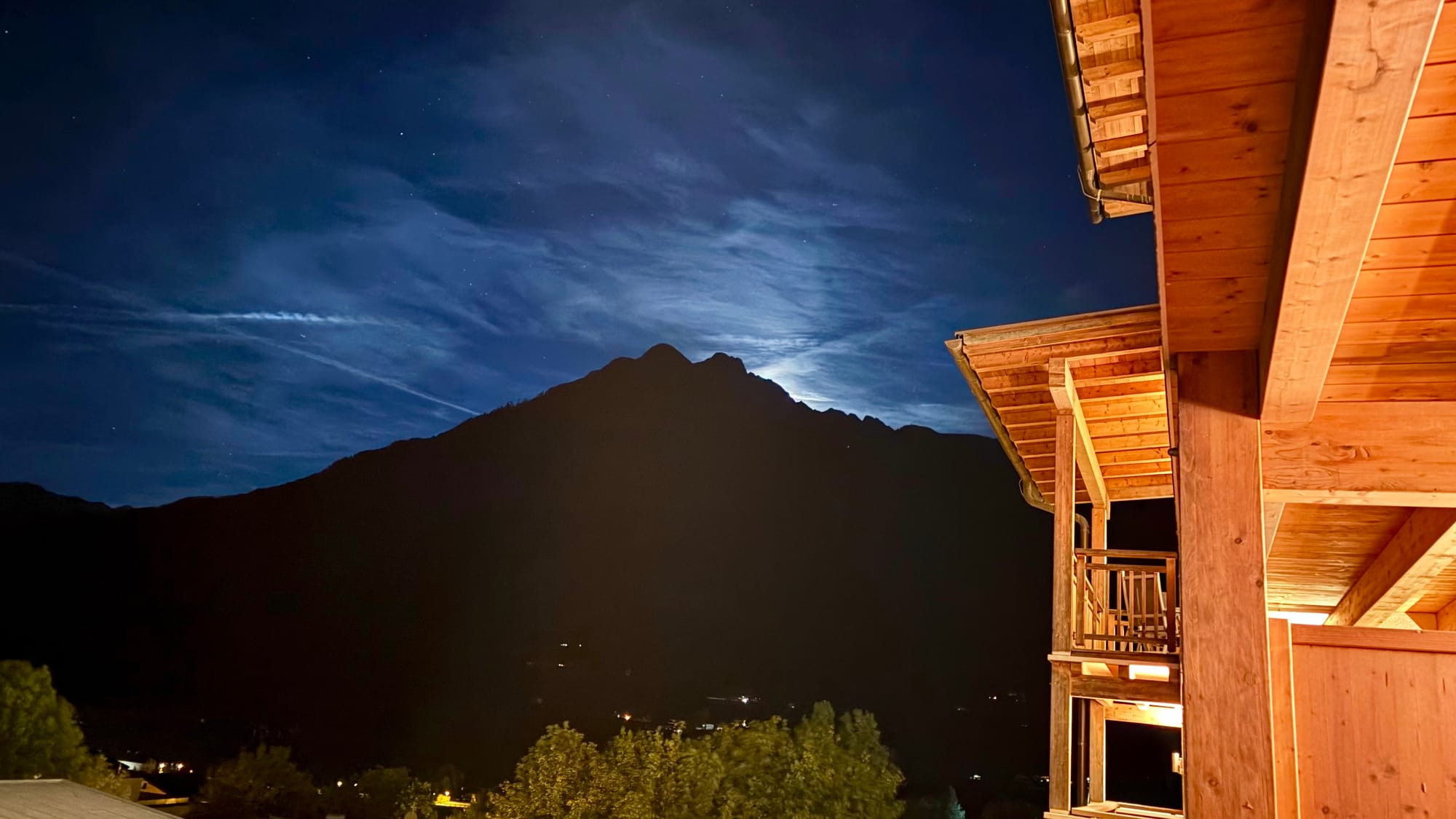
After dinner, we watch the moon set behind the mountains outside our window.
Stats
| Location | Litres | €/litre | Total € | Fuel Type | Octane |
|---|---|---|---|---|---|
| Santa Cristina Gherdeina, Italy | 39.68 | €2.539 | €100.75 | Super Bmax | 98 |
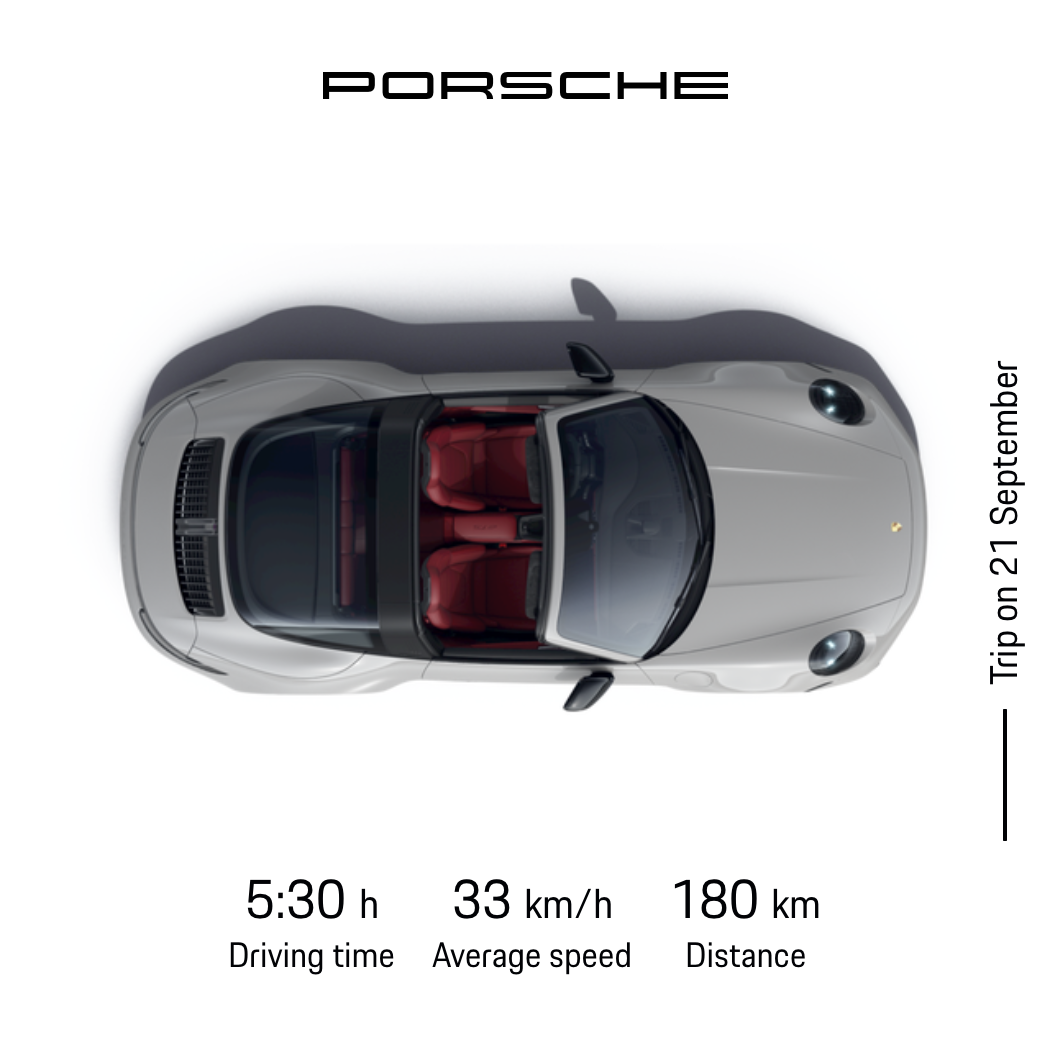
Today we did 180 km over 5:30 hours, with an average speed of 33 km/h, consuming 9.5 litres/100 km.