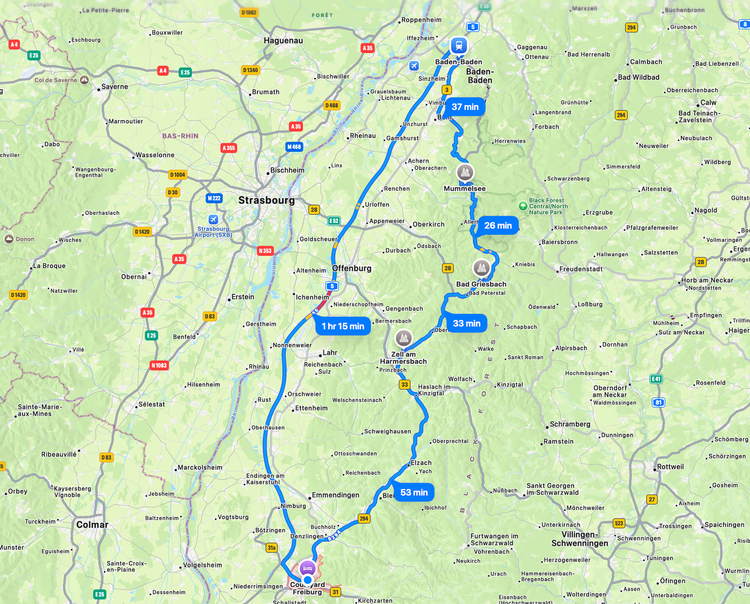
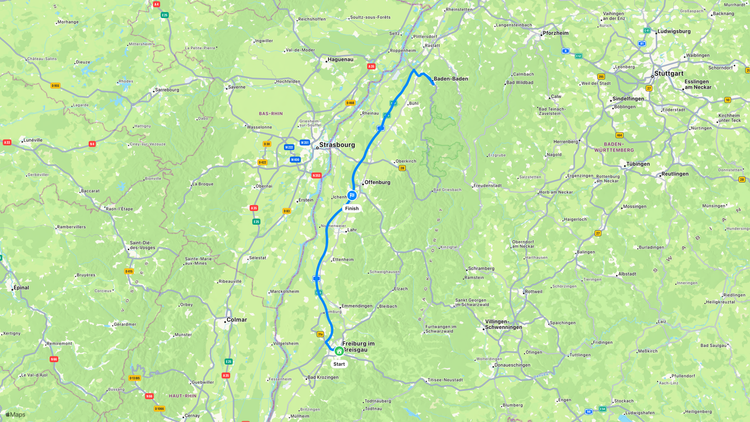
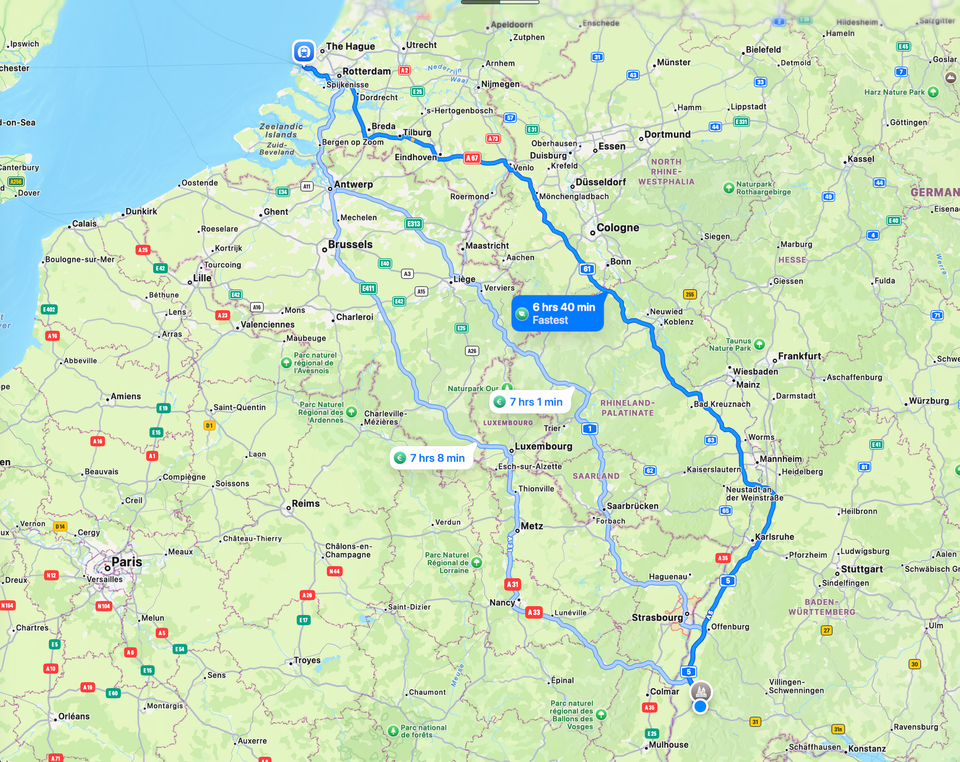
Day 2: Hoek van Holland (Netherlands) –> Freiburg im Breisgau (Germany)
After a peaceful crossing, we're jolted awake at 06:30 by a deliberately irritating "chirping birds" wake-up alarm, clearly engineered by the ferry companies in-house psychologists to rouse us from slumber.
We head to the Stena lounge for breakfast. It's tough to eat too much so early—our bodies are still on Irish time at 05:30.
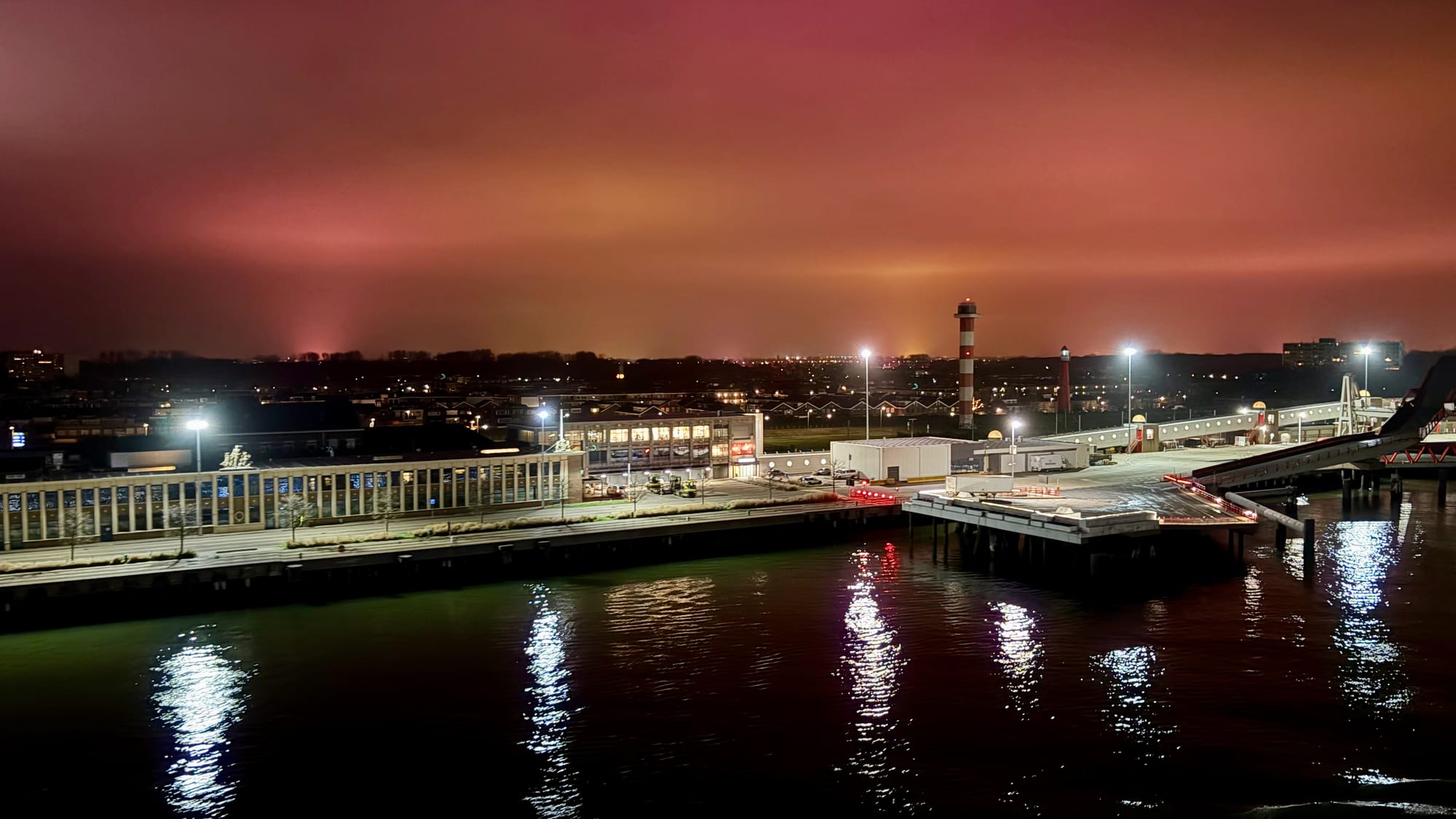
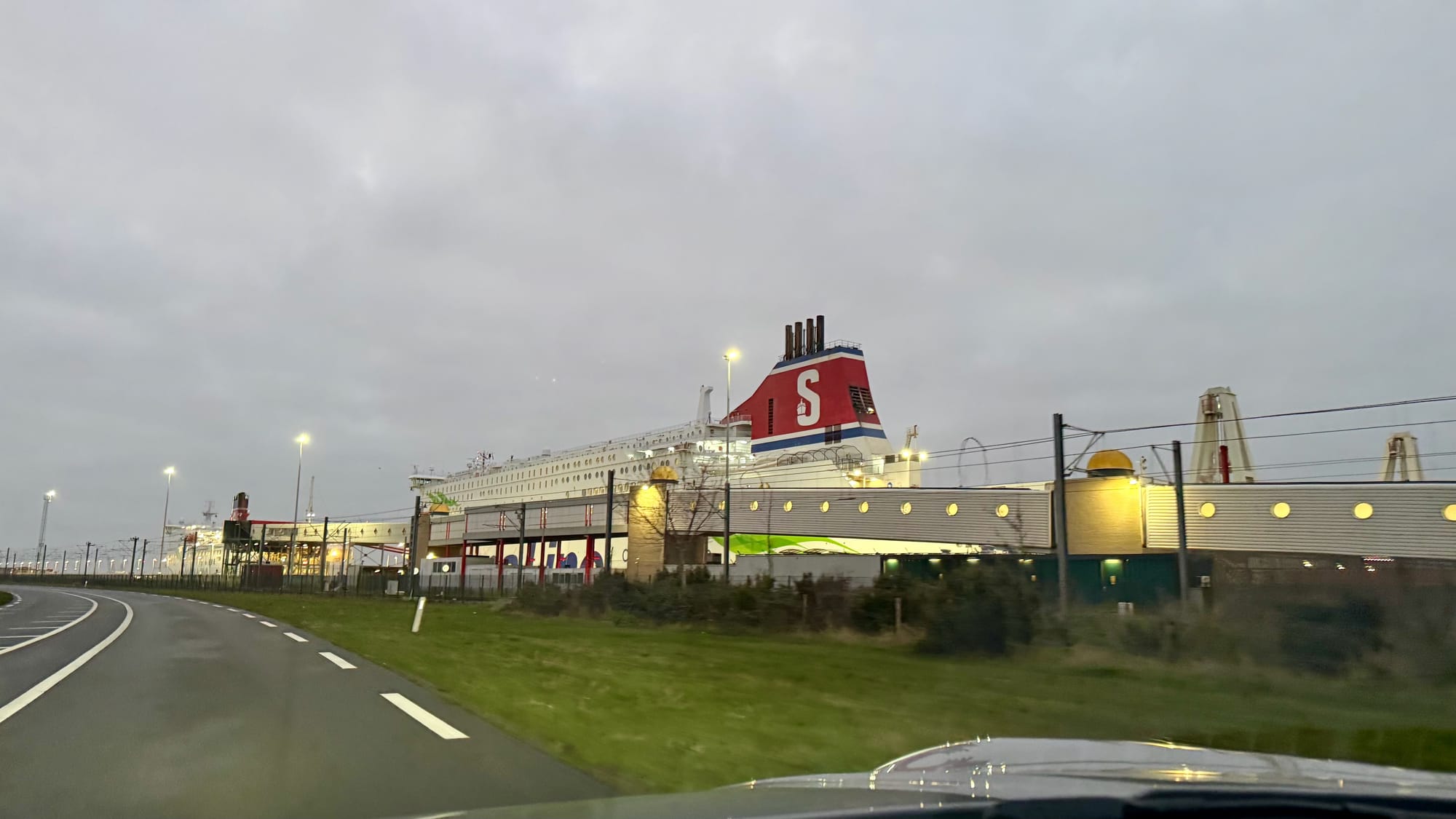
Soon after we arrive dockside at Hoek van Holland still in darkness with the orange glow of the Port of Rotterdam lighting up the background.
We climb down the steep stairs to the lower car-deck – with no issue from the PVTS+ tracking service which we had set for 10 hours before boarding – and we are soon driving off.
Queues for passport control are a little longer than we have here previously, likely due to the newly implemented Entry/Exit System (EES) at the European Union border.
As EU citizens from Ireland, we ourselves do not have any additional steps to perform and are through the process with quick Schengen Information (SIS II) check.
As we didn't pick up fuel yesterday near Harwich, we pull into one of the many Shell stations we pass in The Netherlands.
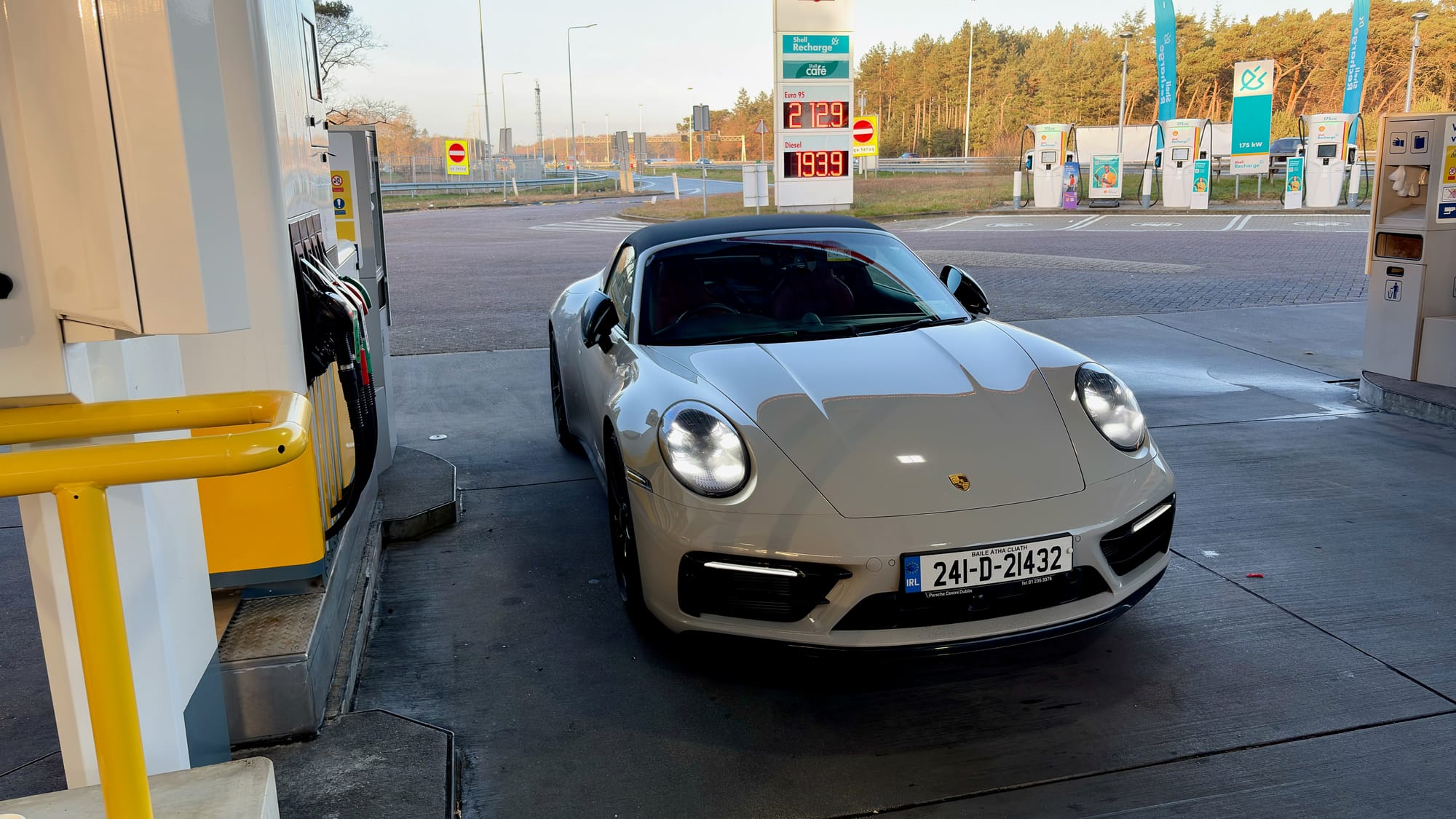
Shell V-Power here is described as having a high octane level of "at least 98," which is slightly lower than Shell's commitment in the UK, which guarantees 99 octane, and Germany, which has a minimum of 100.
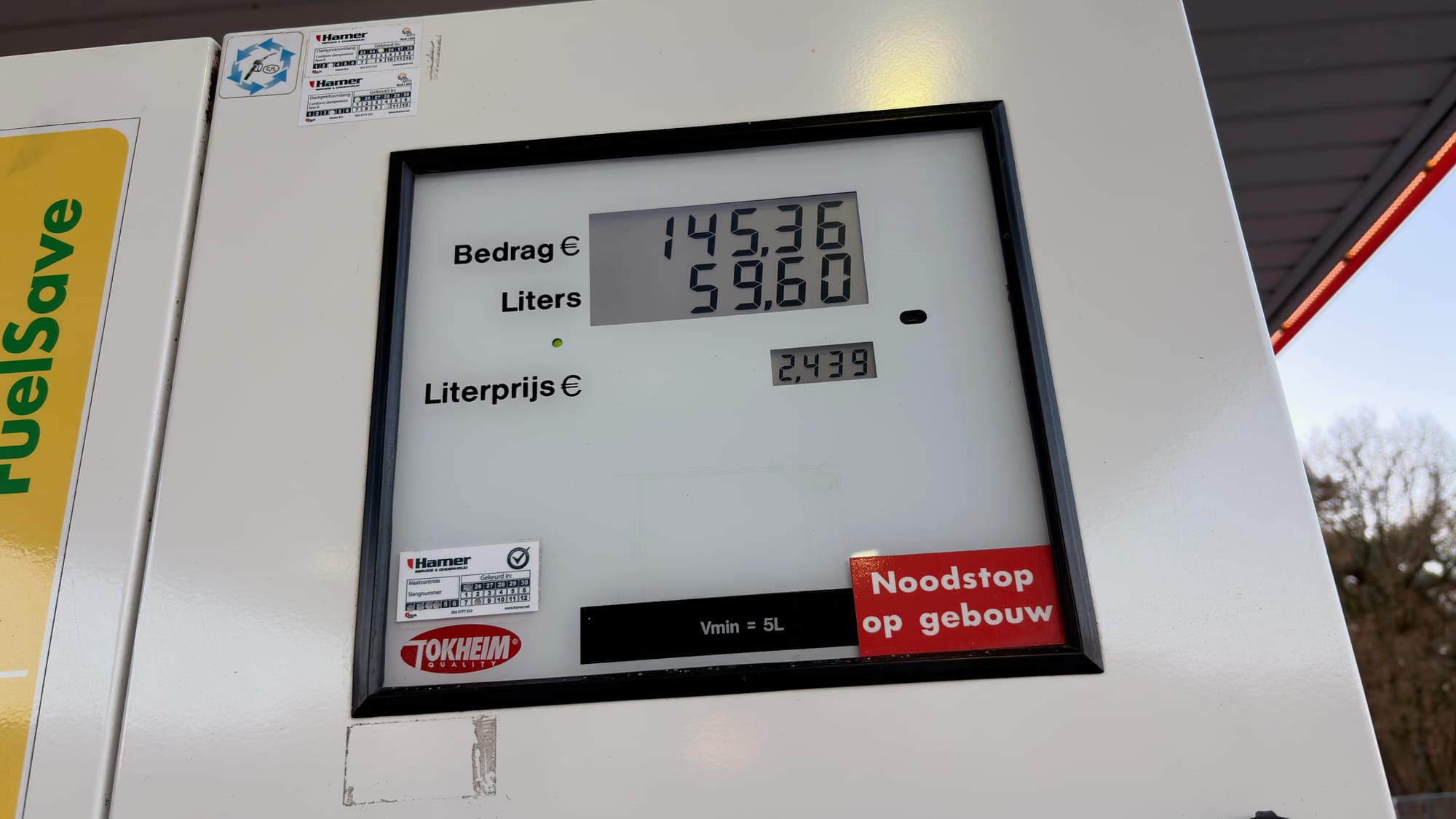
And they certainly know how to charge for it at €2.439 per litre.
Porsche + Autobahn
Any day you get to drive a Porsche on the unrestricted Autobahn in Germany is a good one. We're lucky enough to have driven them many times now, but it still makes for a very special experience and we're still only getting used to how our 911 Targa behaves at consistent high speed.
It's hard to notice much difference, but we're still pleased to have high octane fuel in the tank. In Germany, 100 octane is widely available from Shell and other suppliers. Being selective about our fuel is the closest we get to the detailed charge planning our previous Taycan demanded!
Christmas traffic is noticeable on the autobahn, but nothing like as busy as the roads in the United Kingdom were yesterday.
This allows us to safely stretch the cars legs on the many unrestricted sections today.
Our Taycan Turbo S was incredibly happy and comfortable, accelerating well past 200 km/h. However, you could sense that the drive control system was beginning to intervene at those speeds to safeguard the battery and high-voltage cables from overheating once the drive train started drawing over 450 kW.
In comparison the 911 Targa feels like it is only starting to get going over those speeds. The only limiting factors today were traffic and driving on winter rated tyres.
The combination of ACC informing you of the velocity of the car in front, the rear-wheel steering making the frequent lane changes confident inspiring and PDCC keeping the car flat in tight curves – makes the car a joy to drive in this environment.
As we journeyed southward through Germany, the temperatures plummeted to a bone-chilling zero degrees Celsius, marking the lowest temperature our car has ever encountered.
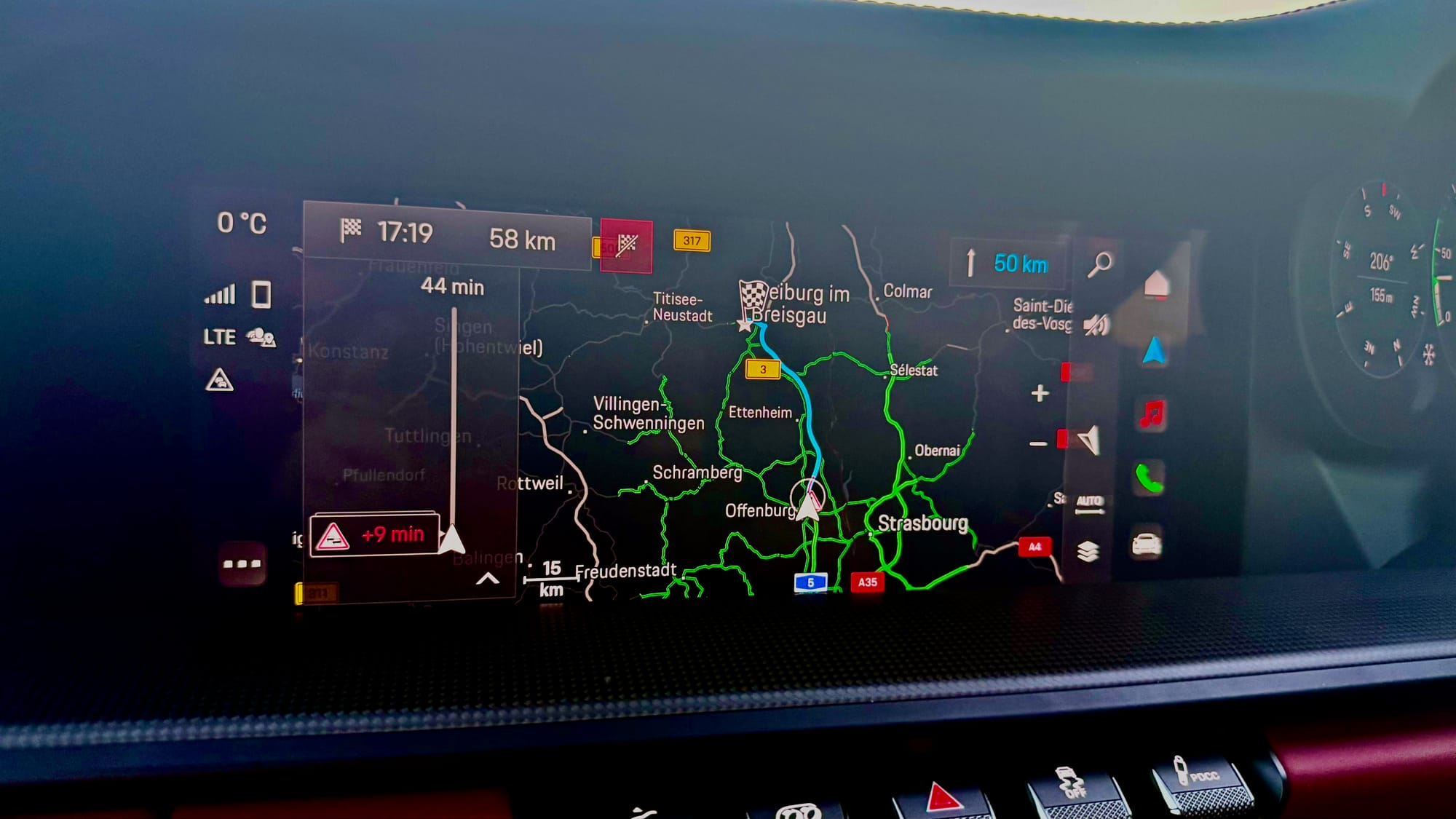
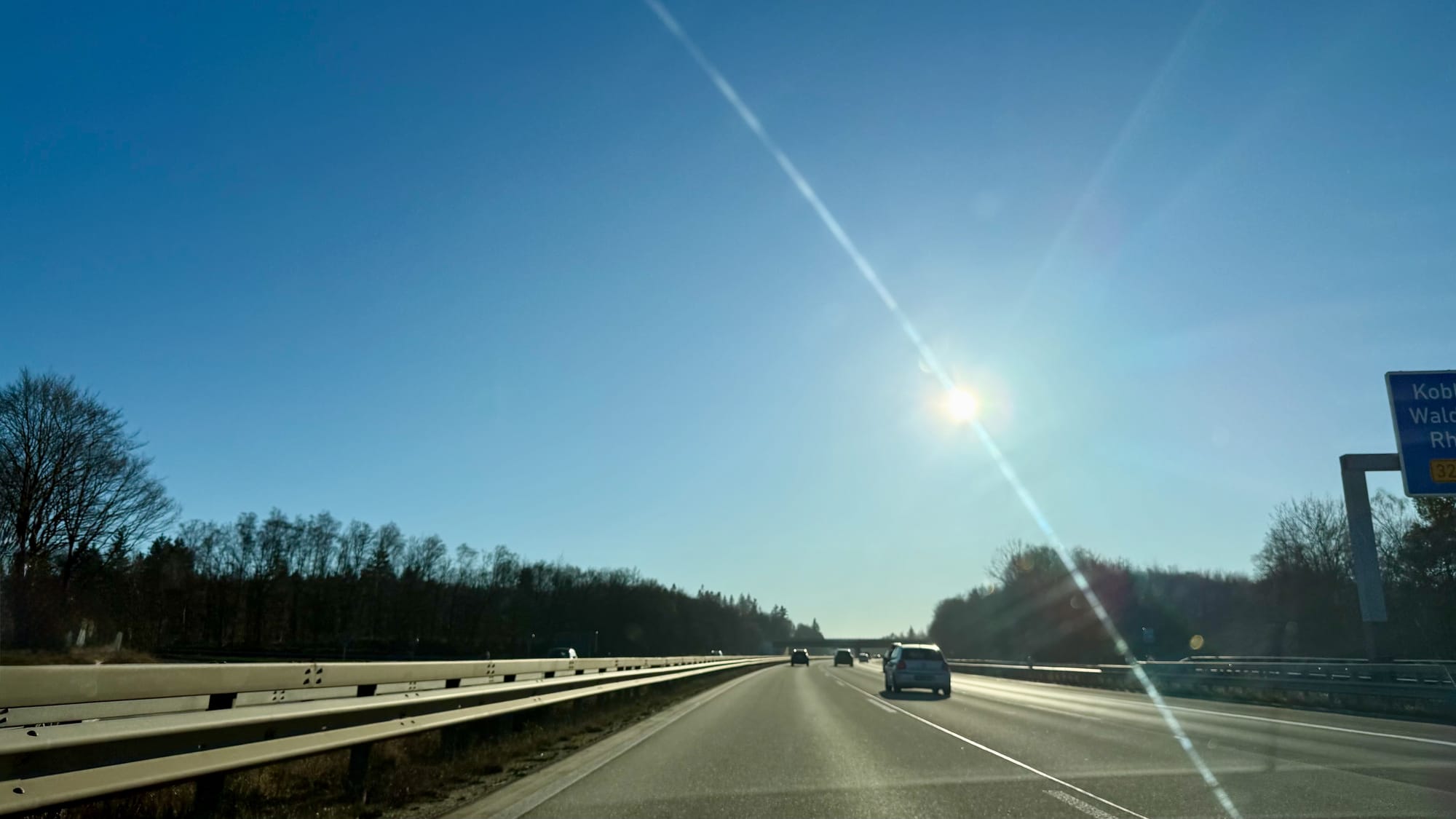
Despite the low temperatures, a strong winter sun shown into our faces for most of the day!
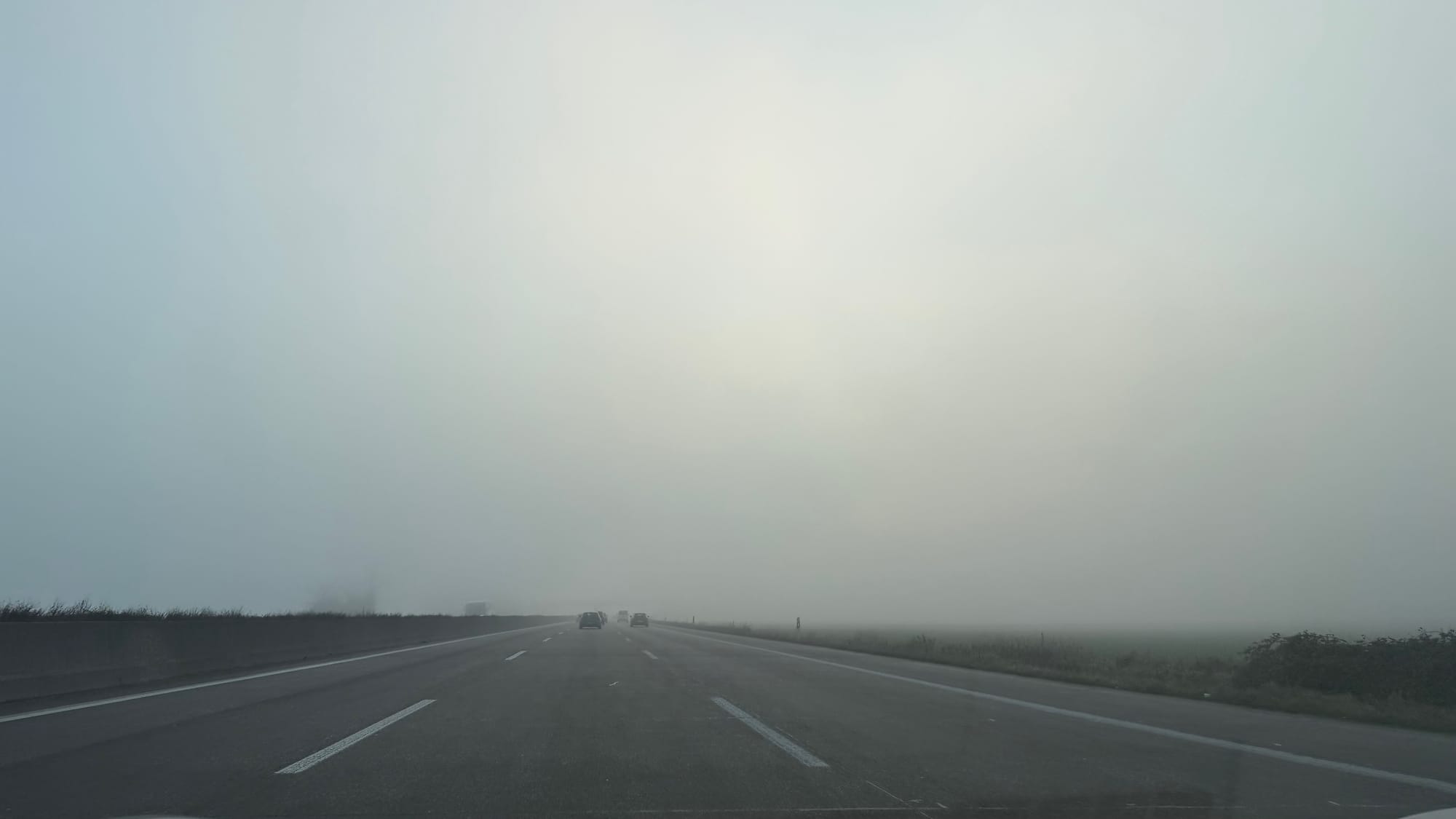
As we reached the Black Forest area, we started to experience some fog.
And as darkness fell we arrived into our hotel in Freiburg im Breisgau for the next week.
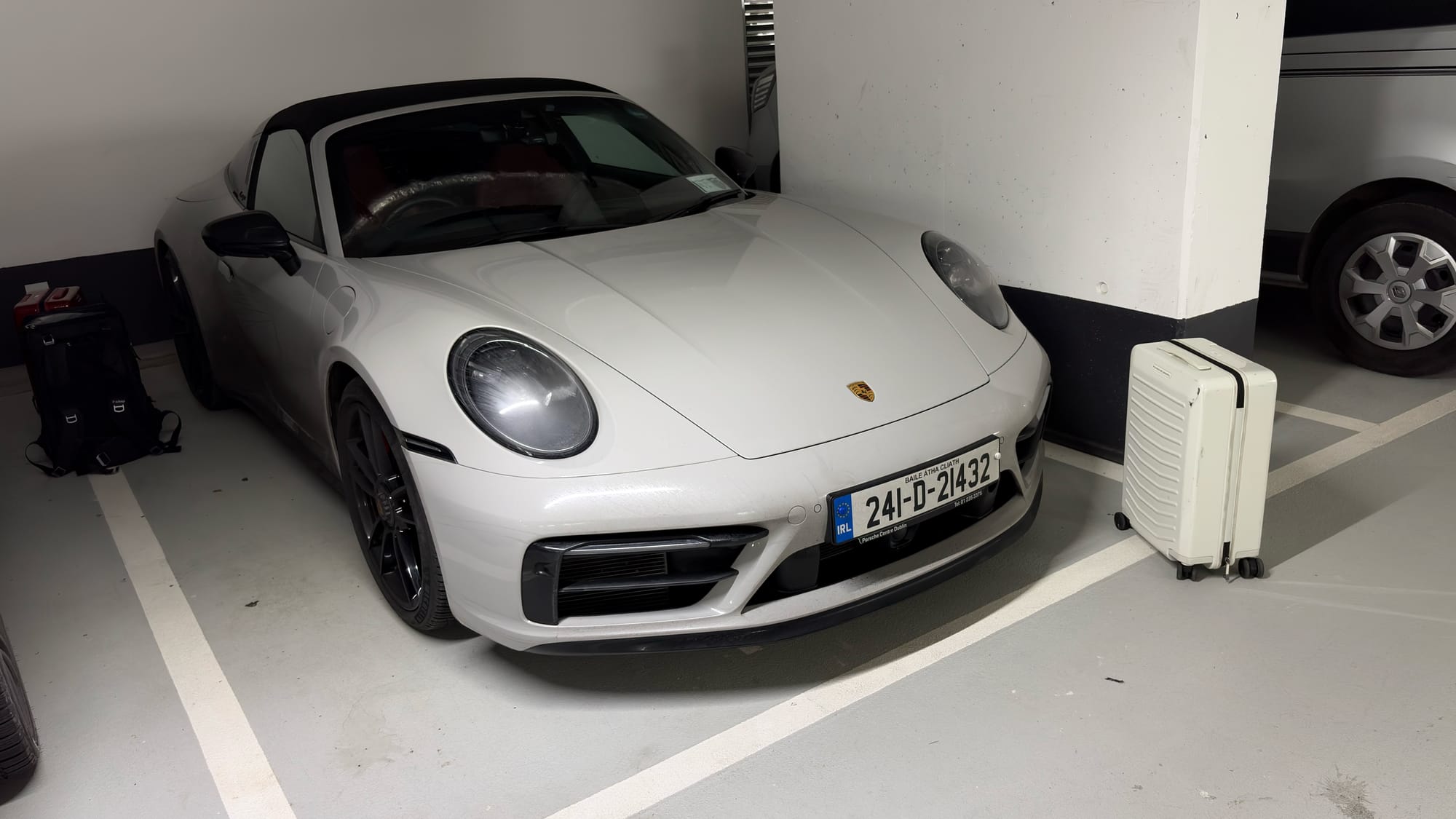
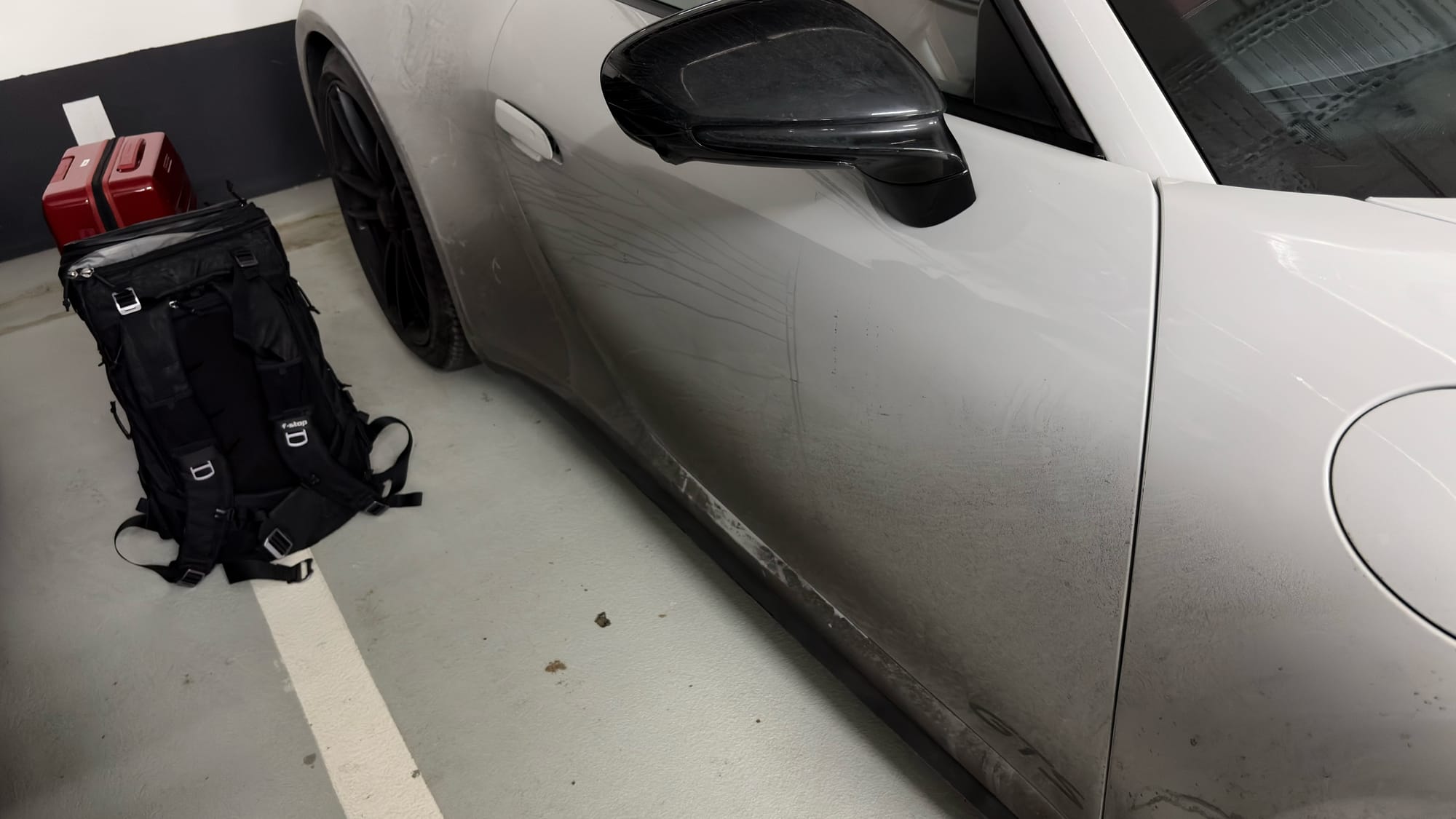
With plenty of evidence of our 1,300 km winter drive from Ireland visible on the exterior.
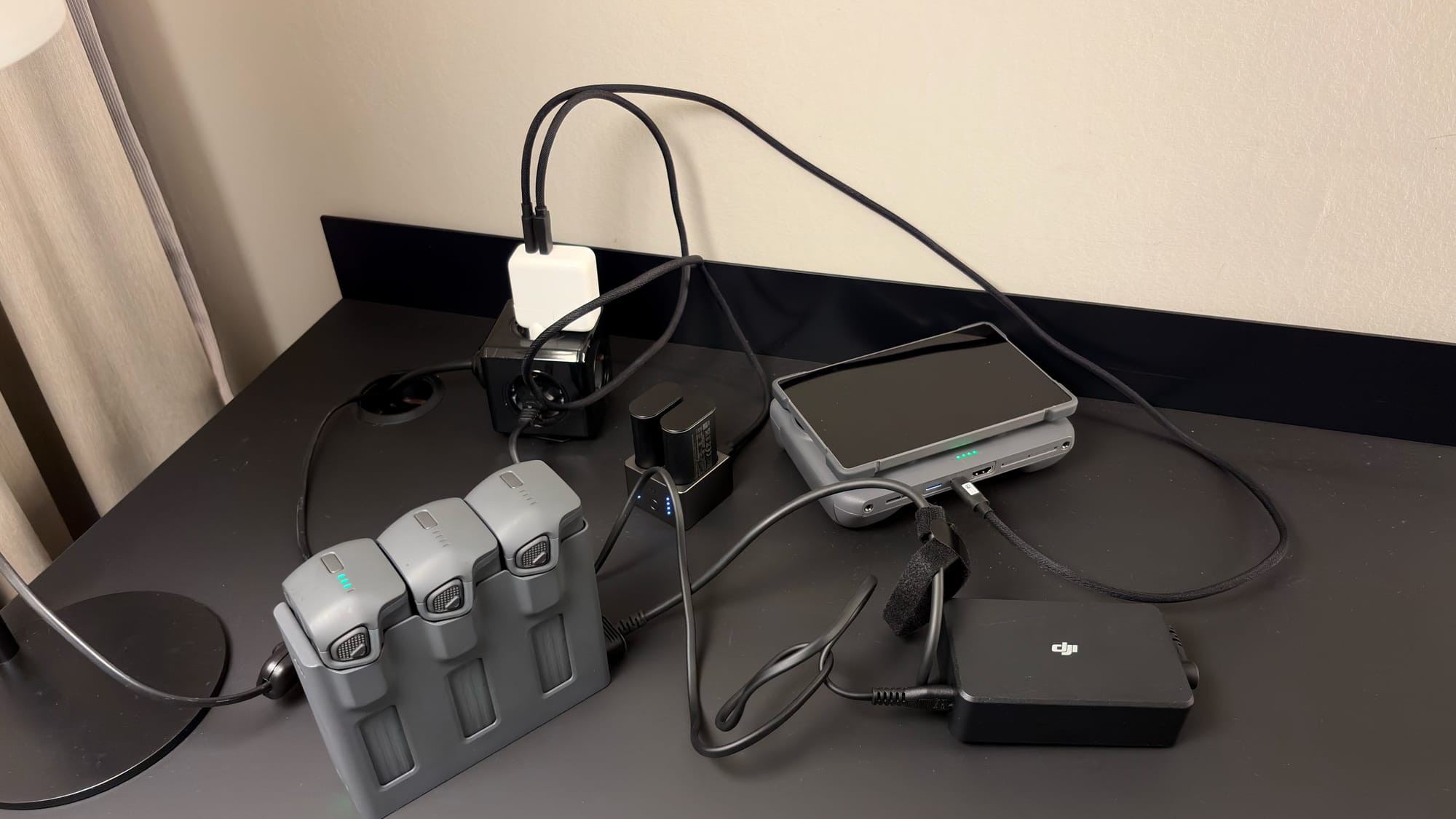
We might no longer get destination charges at hotels for our car, but we do plug in all our camera gear for a top-up in preparation for tomorrow!
As it's Sunday here in Germany and with limited restaurants open, we head out into the crisp evening for our first night here in Freiburg to grab some local Indian food.
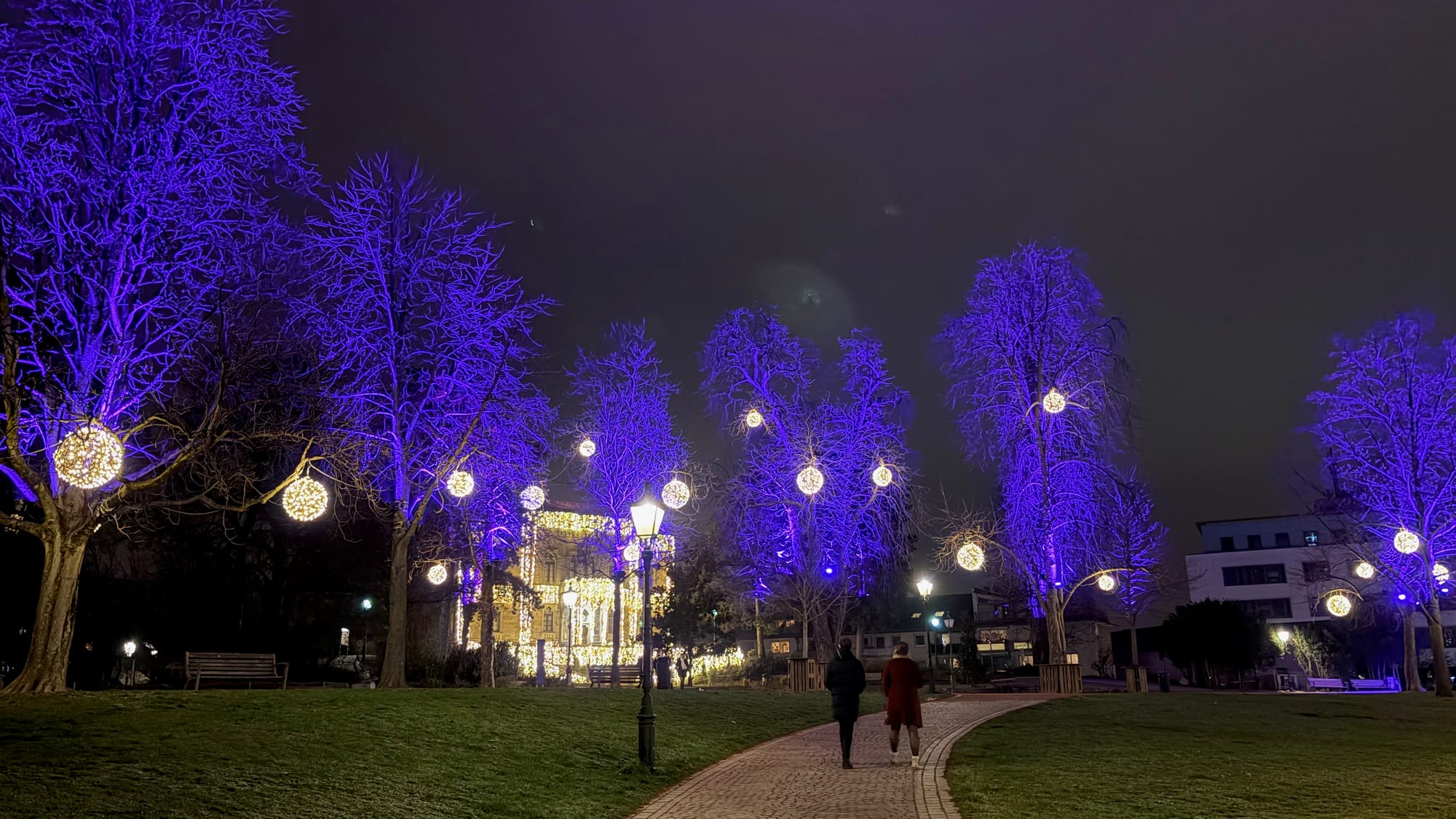
After two big transit days - we're now "in position" to start to enjoy and explore.
Stats
| Location | Litres | €/litre | Total € | Fuel Type | Octane |
|---|---|---|---|---|---|
| Oirschot, Netherlands | 59.60 | €2.439 | €145.36 | Shell V-Power | 98 |
Today we did 710 km over 7:41 hours, with an average speed of 93 km/h, consuming 9.6 litres/100 km.