Conclusion

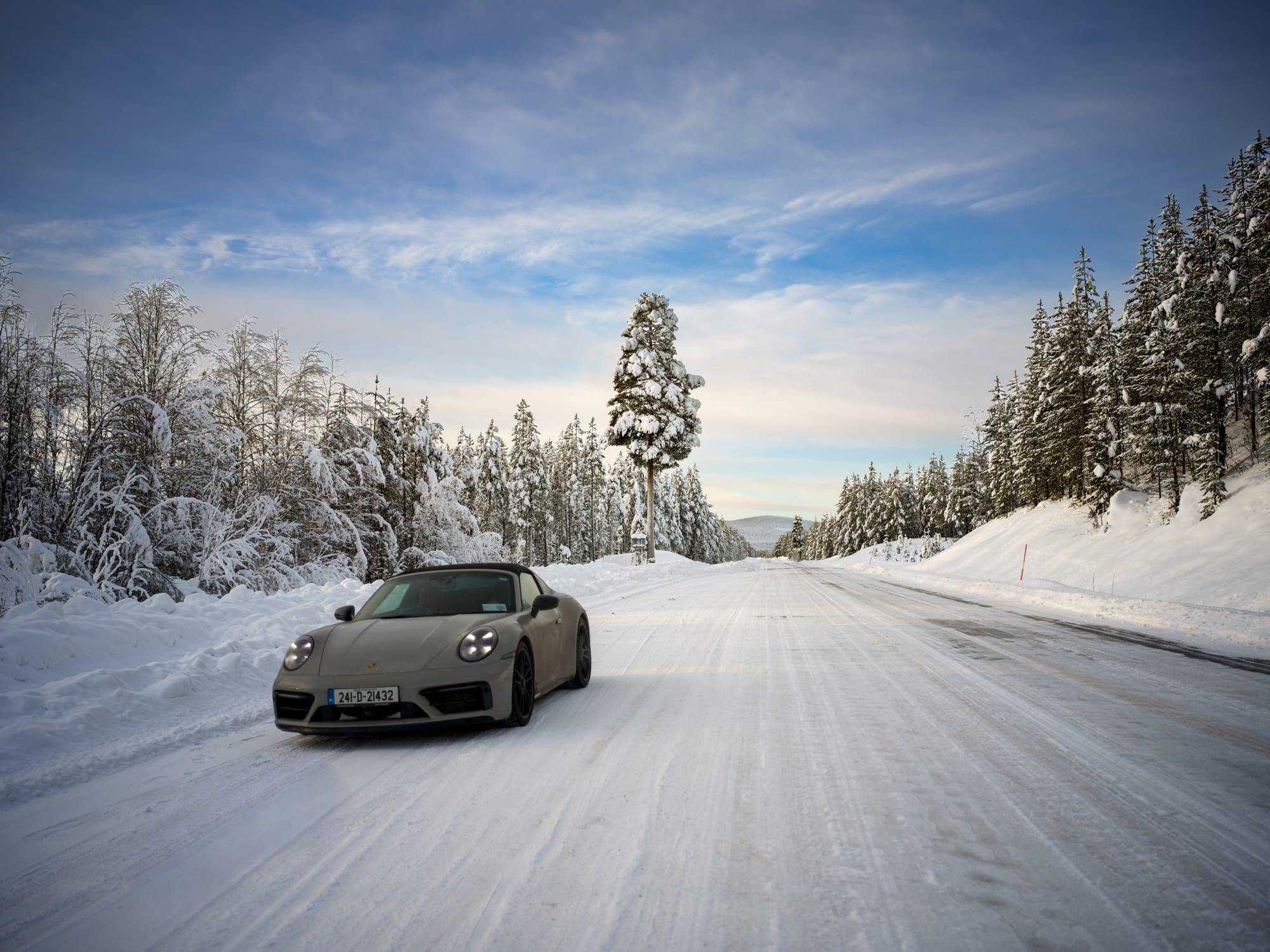
When we picked up our Targa at Porsche Centre Dublin in early May last year, I had the sense that this would be the end of our arctic adventures.
It was our first car with a removable roof and the day we collected it was one of the warmest days we've had in years in Ireland.
This was going to be a "fair weather" vehicle.
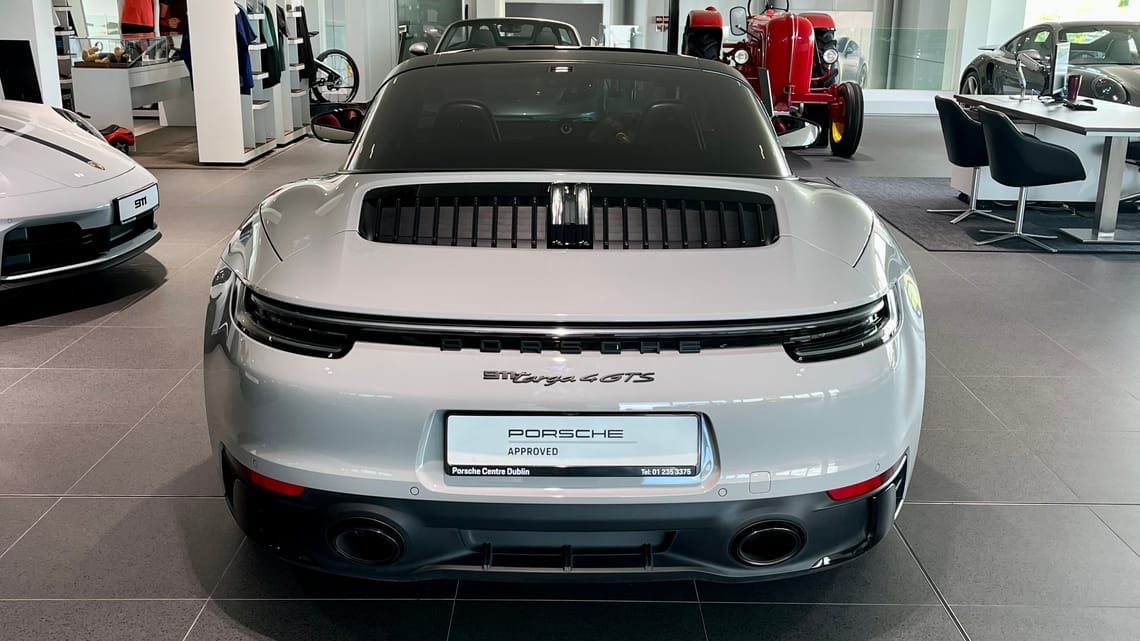
However, as we became more familiar with the Targa we came to appreciate Porsche's positioning of it as the convertible for inclement climates.
The design of the Targa is such that storage space is not reduced when the roof is lowered, meaning we can still carry all our luggage when using it.
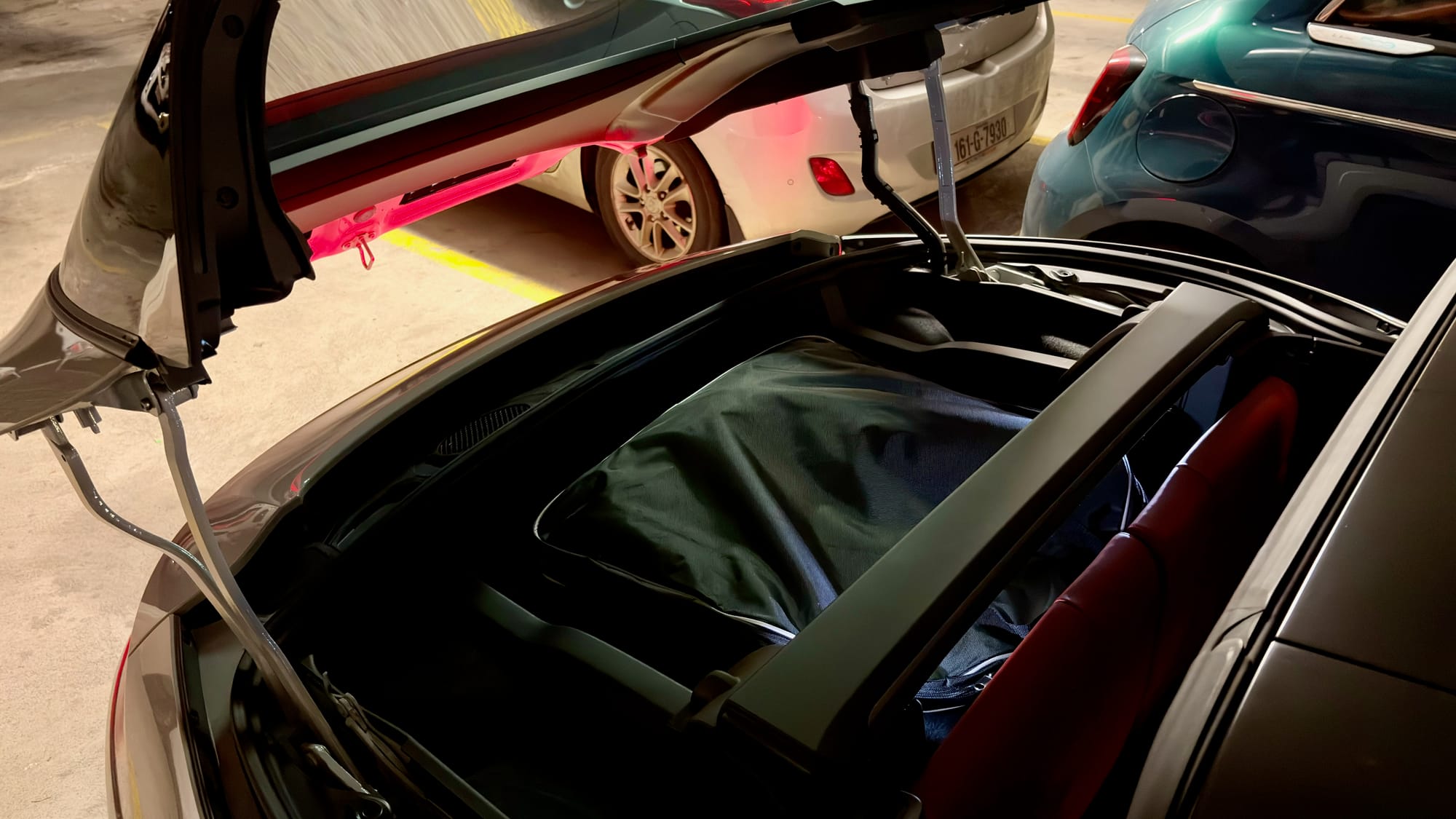
We even figured out that our snow chains fit perfectly into the space under the folding roof. This was not a space we had appreciated existed when we first had the car.
Porsche even provides a luggage light in the area – meaning it absolutely is for use. It was the discovery of this space and a little research on the winter tyres available for the car that started us thinking about continuing our arctic adventures in it.
In fact with enough planning, it is surprising how much storage there is in the car. You defiantly do need the correctly sized luggage for each space and accept that you will be "living" amongst your belongings on a trip – but if that is acceptable, the size of the Targa will not be a hindrance.
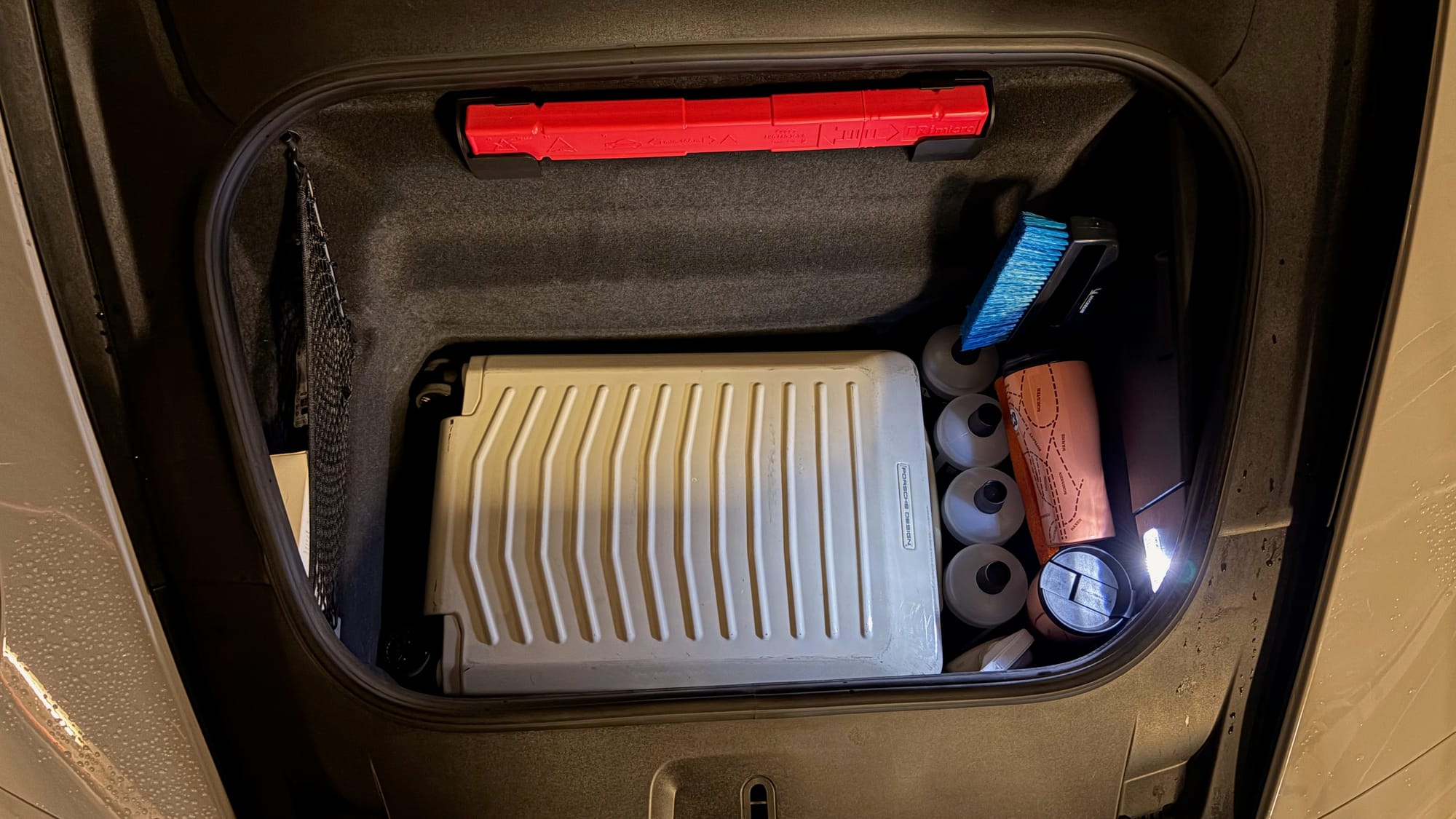
The frunk in the front of the car is surprisingly deep and much larger than it was on our Taycan. Furthermore, we're not bringing charging equipment and the 911 snow chains fold flat unlike the Taycan version.
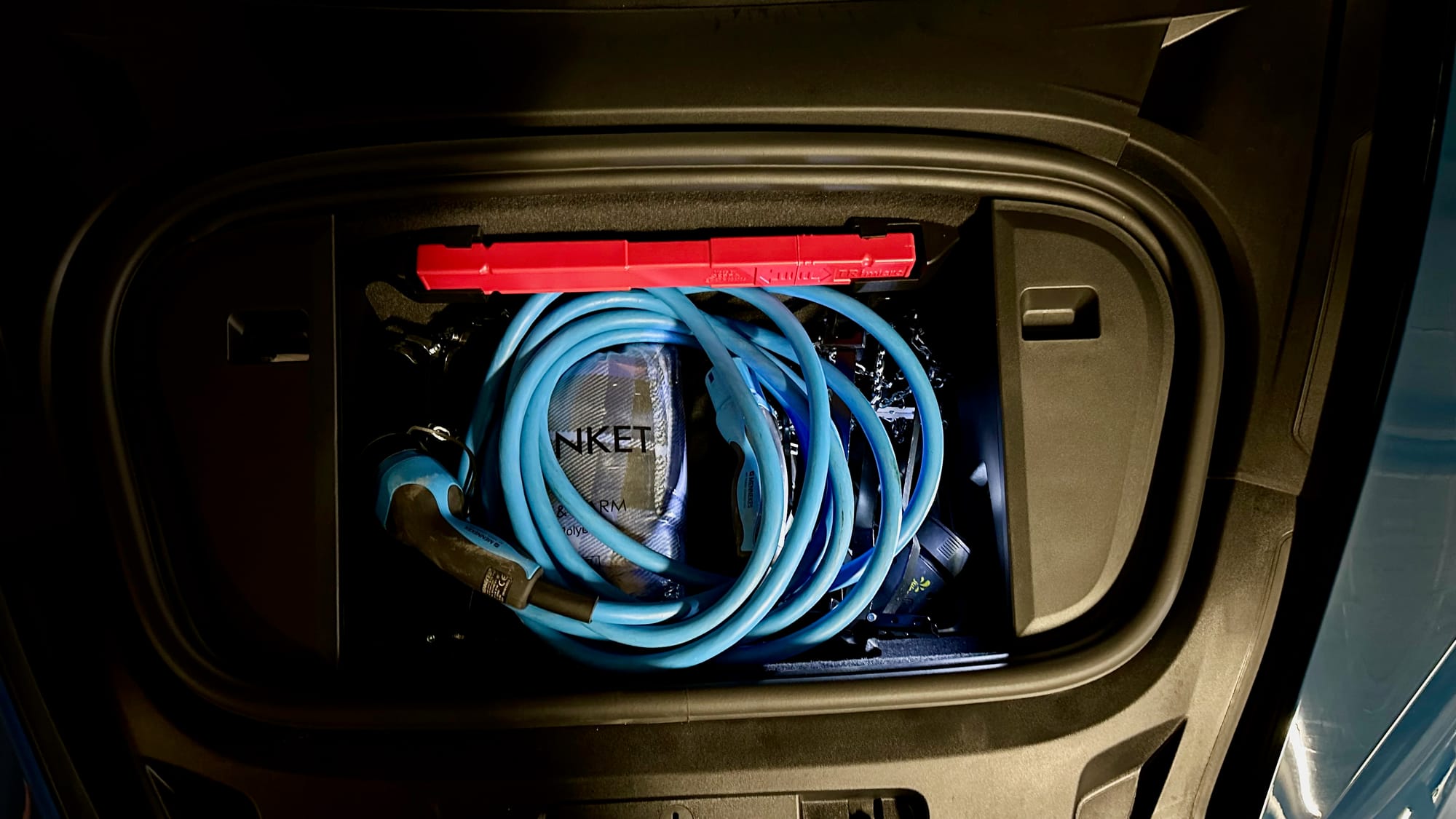
We wrote about this previously, but on moving to the Targa is surprised us how similar our Taycan felt to it in driving experience. Given the four door nature of the Taycan it is impressive how well Porsche nailed the driving experience.
When the Taycan was launched Porsche explained that the all-wheel drive (AWD) and traction control system operated five times faster than the conventional system in our 911. This is because it is entirely electronic with precise computer control that can react quicker than the drive shaft and clutches found in non-EV vehicles.
So we wondered would this be something we'd notice in the slippery arctic conditions.
We needed not to worry – even if it's slower – we certainly did not notice. The grip remained responsive and fantastic. With the smaller size of the Targa it is easier to manoeuvre between the logging trucks we pass regularly.
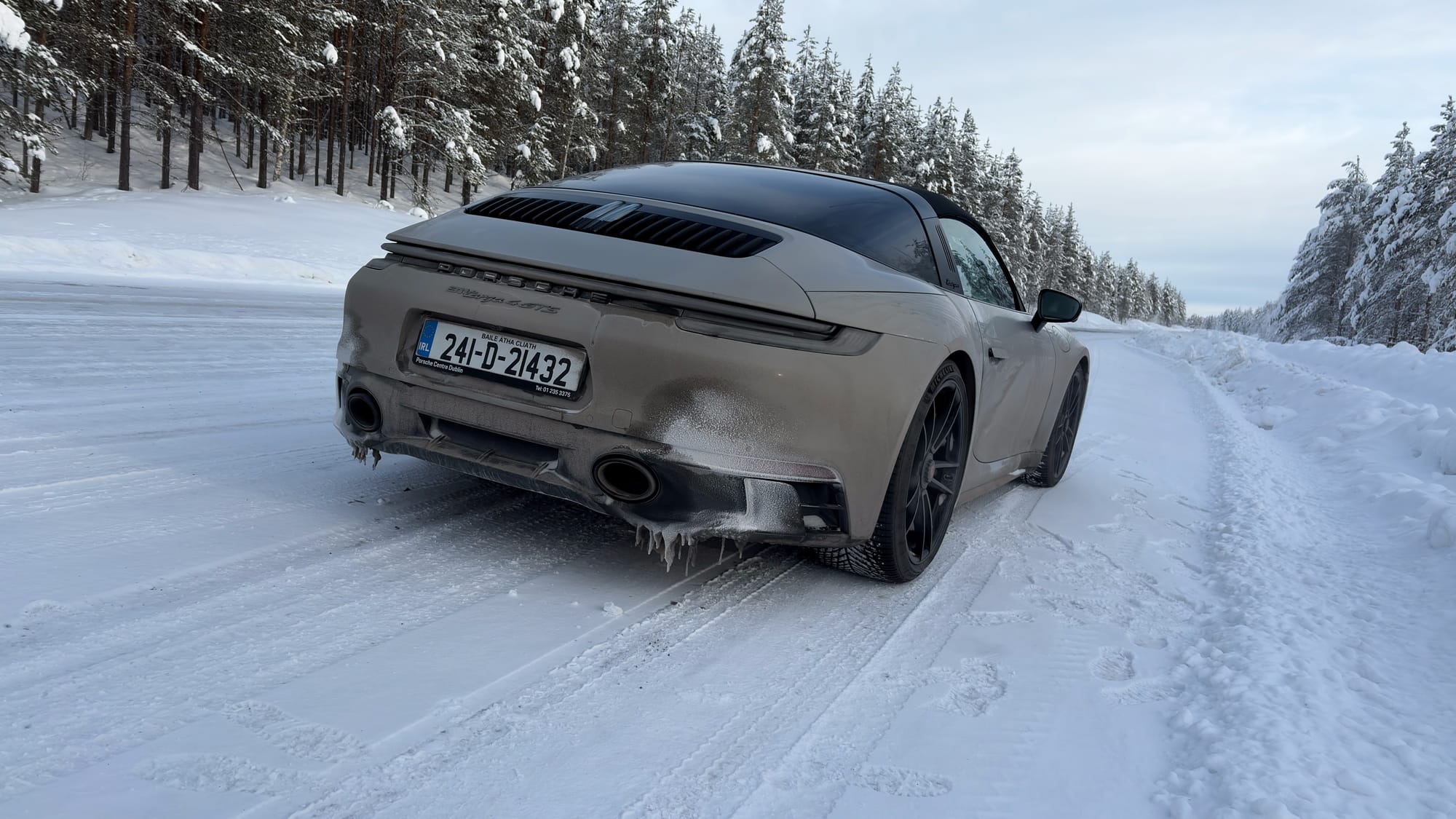
The Michelin Pilot Alpin 5 NA2 tyres were brilliant and every bit as good as the Pirelli PZero Winter's we used on our Taycan since 2022.
In fact, they're slightly better because they offer more grip in the typical freezing rain we get in Ireland during winter.
 MICHELIN
Certainly one area that we did miss from our Taycan EV is its ability to run full air-conditioning in complete silence. With the Targa the flat-six engine must be running to get any cabin heating in the freezing arctic conditions.
So queueing for ferries or parked up waiting on the Aurora has a background noise that goes with it. We missed the quietness of our Taycan when stopped.
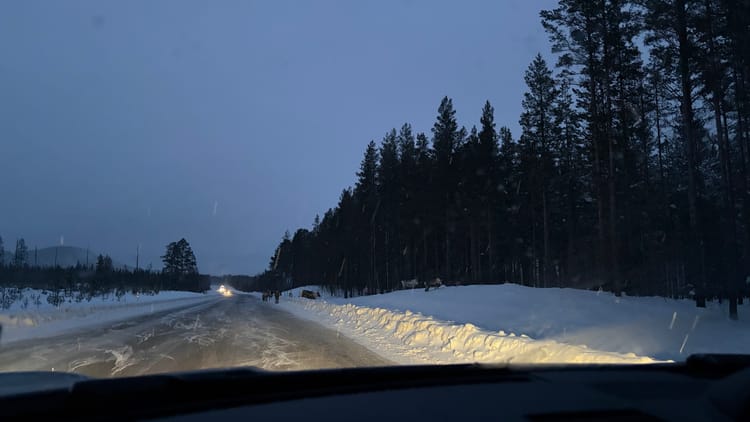
We were very impressed with how well the Swedish road authorities kept the surface conditions everywhere we went in Sweden. We didn't think it was possible to beat Norway, but we think that Sweden probably does!
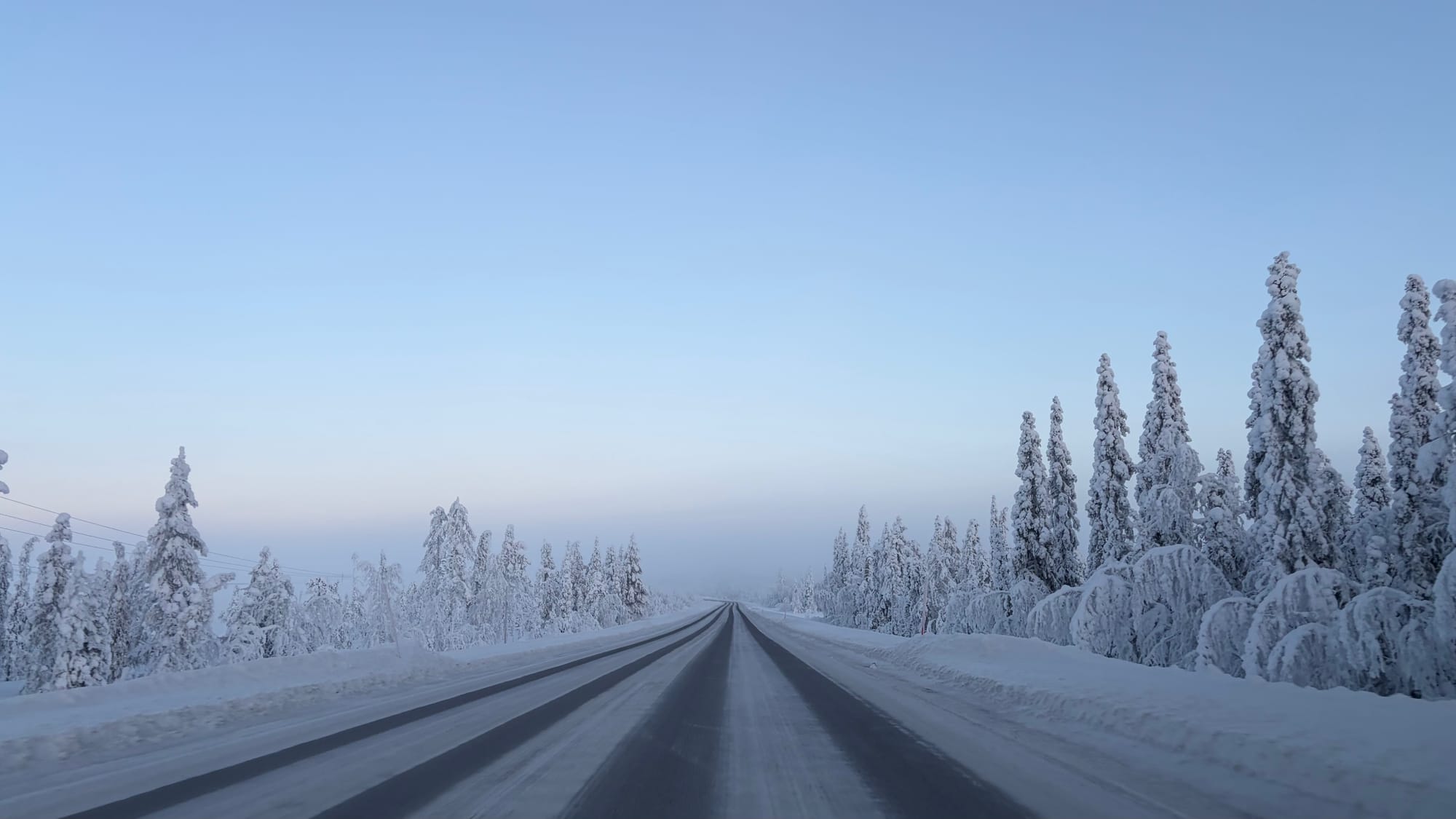
We're not sure if its because we were more inland – and so there is colder temperatures and less ice – but once we got nearer the coast in Norway the driving conditions definitely deteriorated somewhat and slippery ice was more frequently experienced.
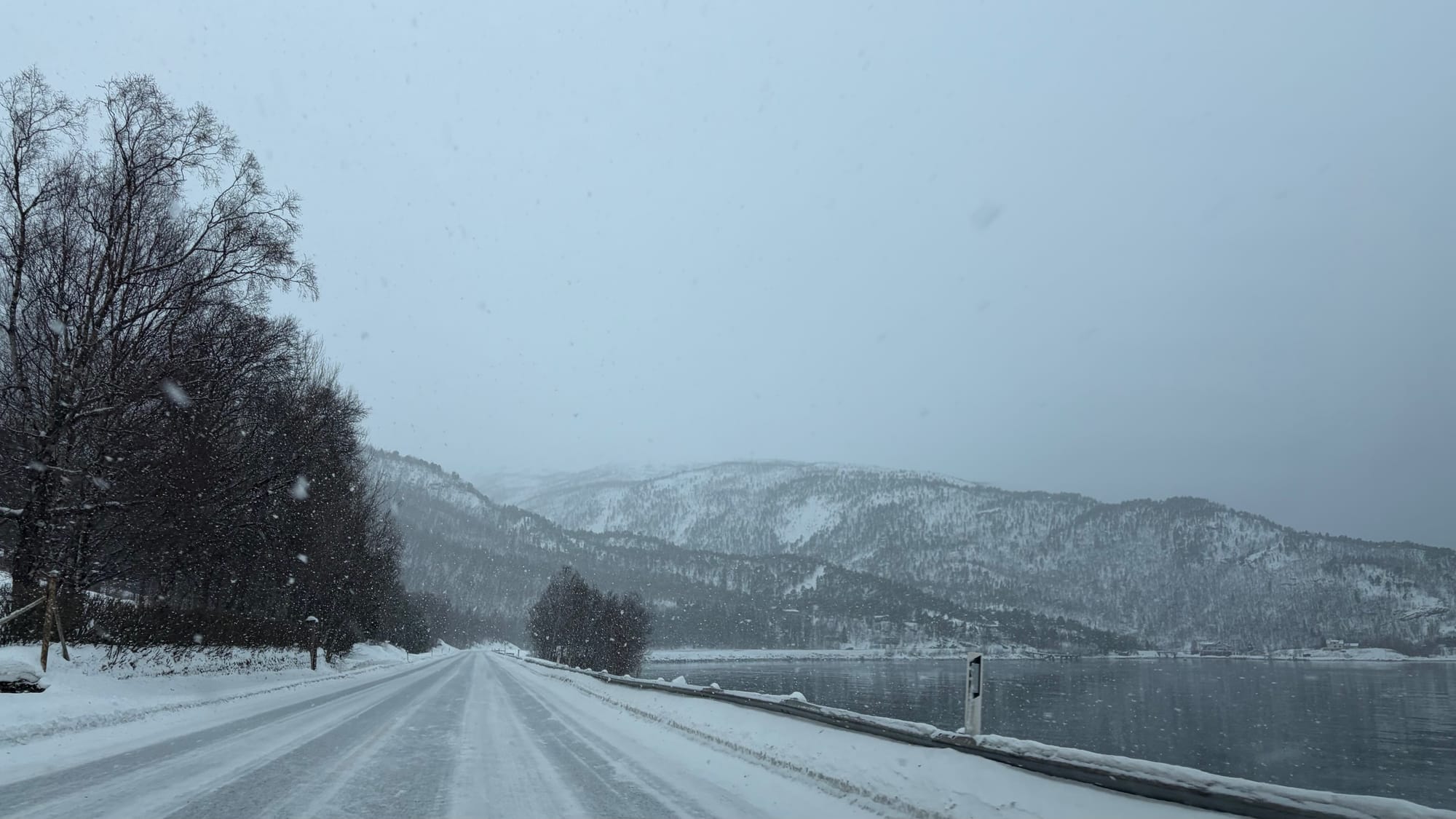
Overall, we didn't experience too much snowfall – and the chores of clearing snow off the car really only happened on one or two mornings.
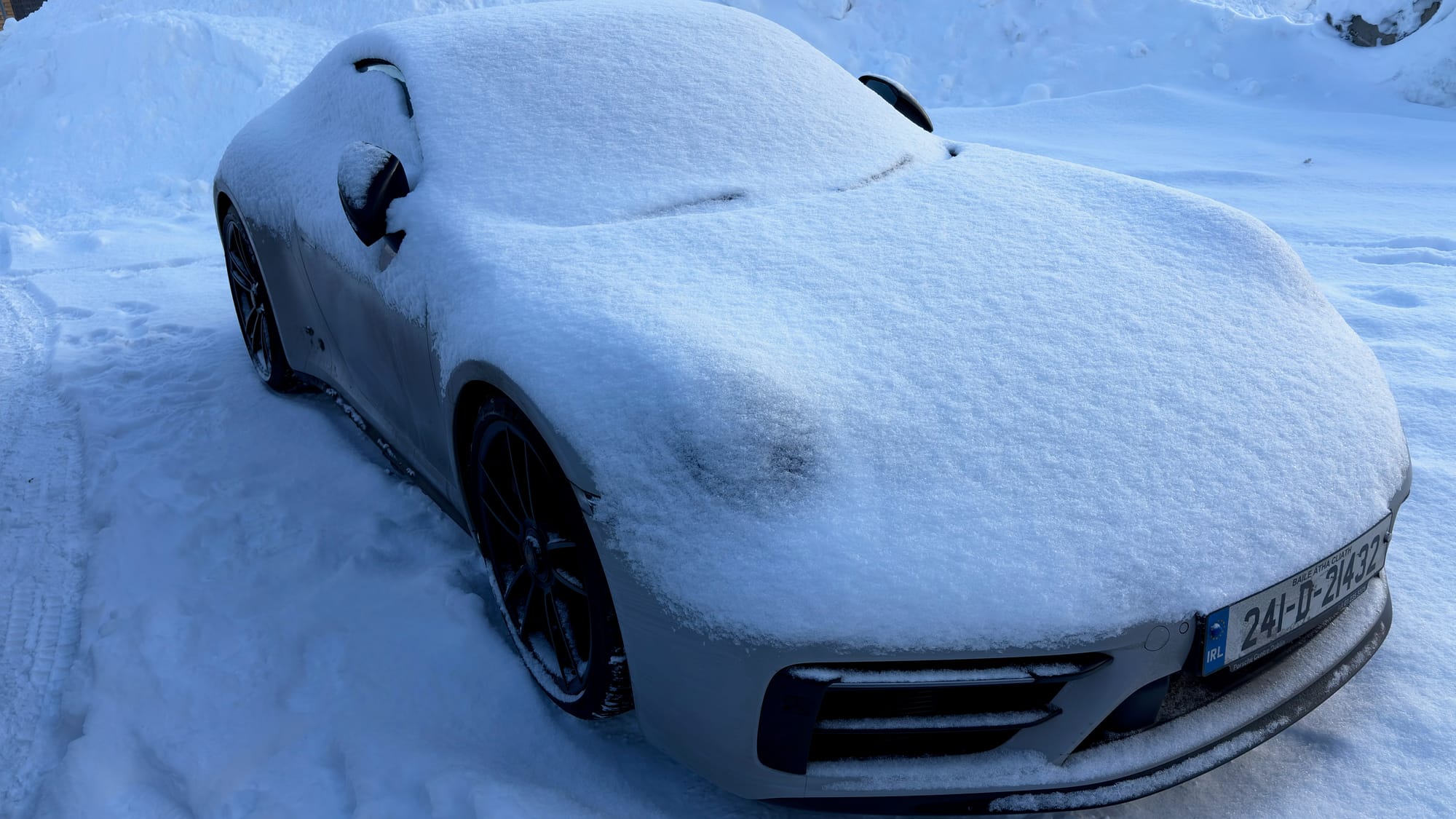
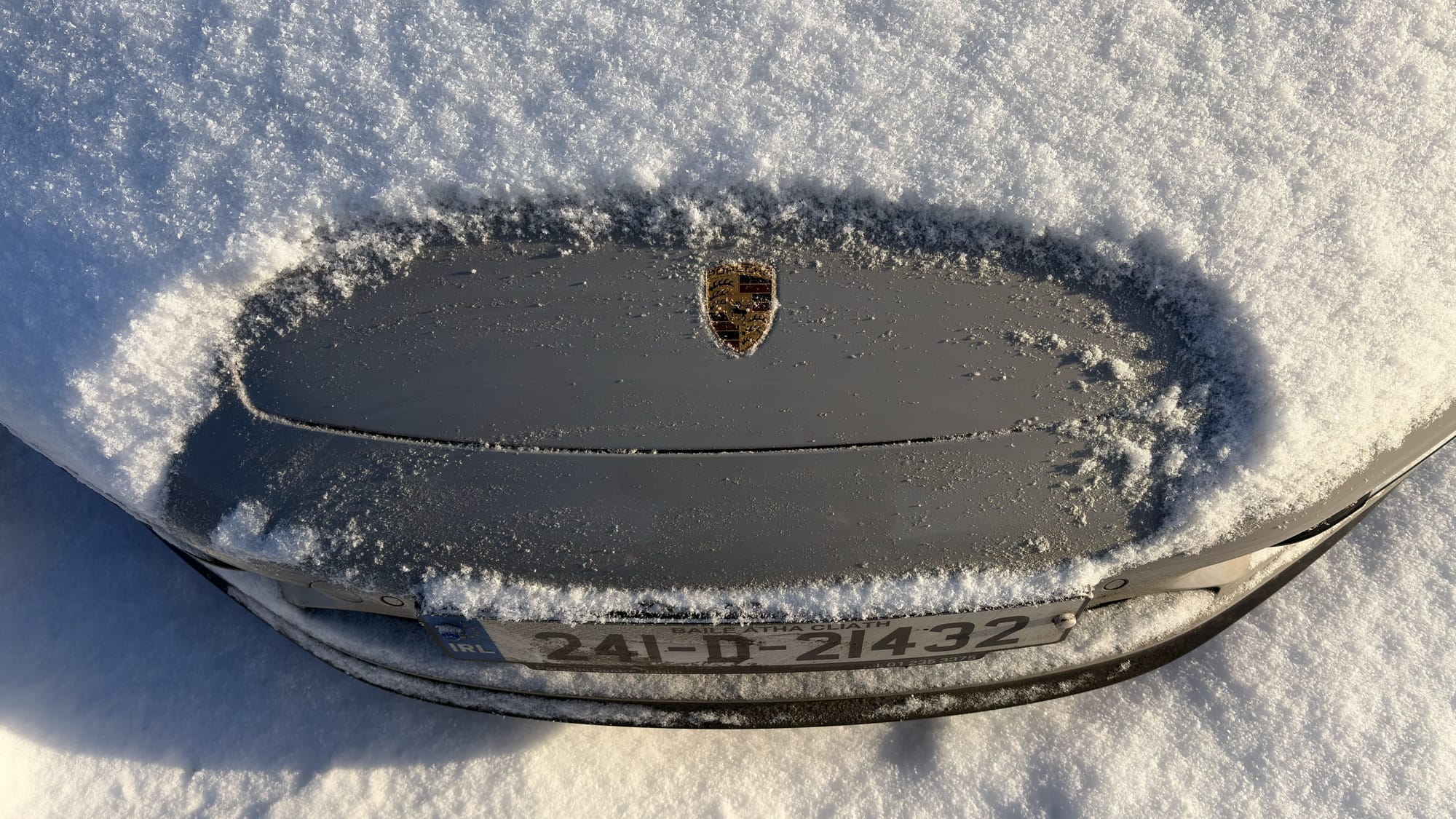
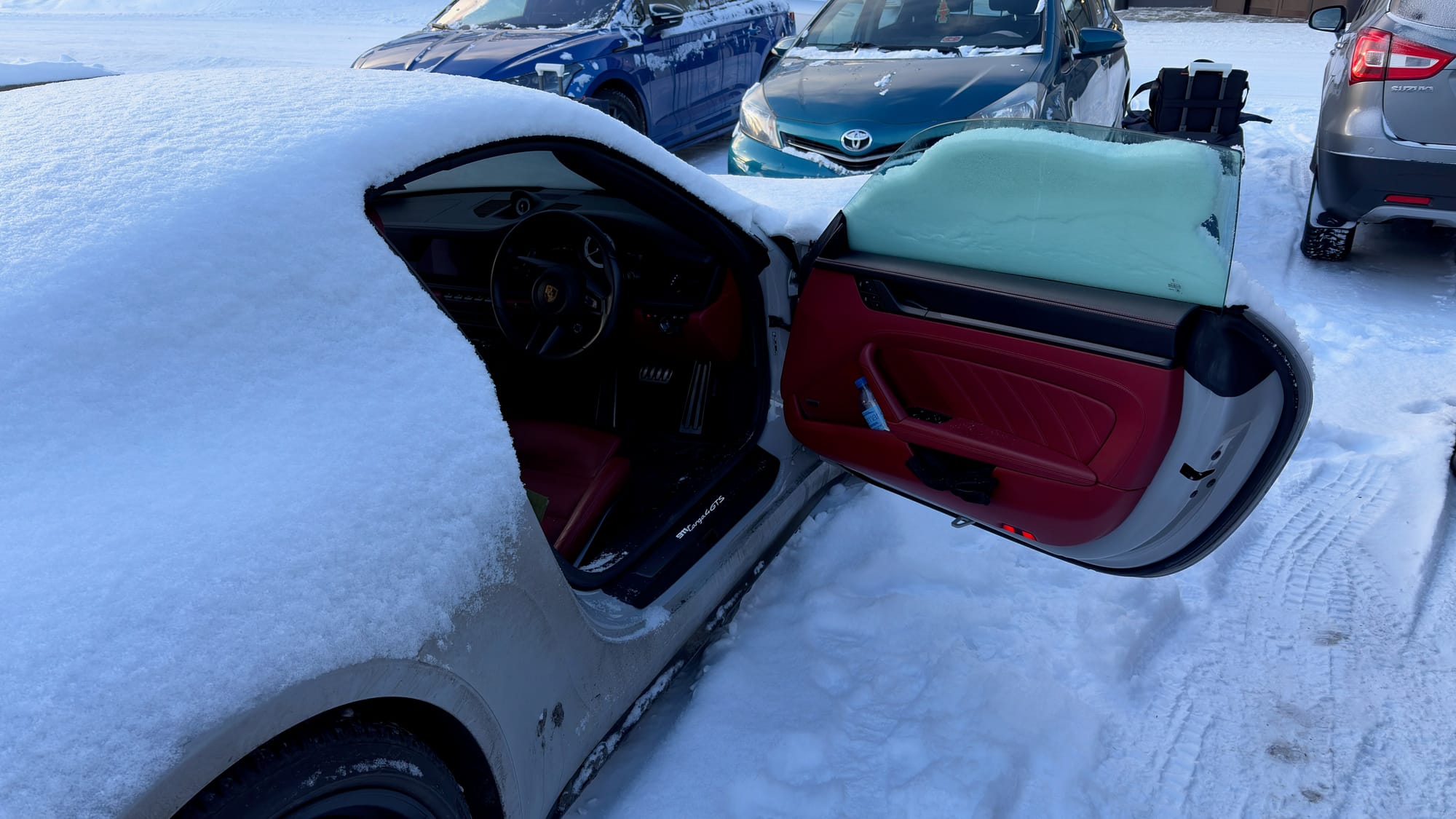
Clearing snow from our car
And of course, those evenings we were in a garage helped too!
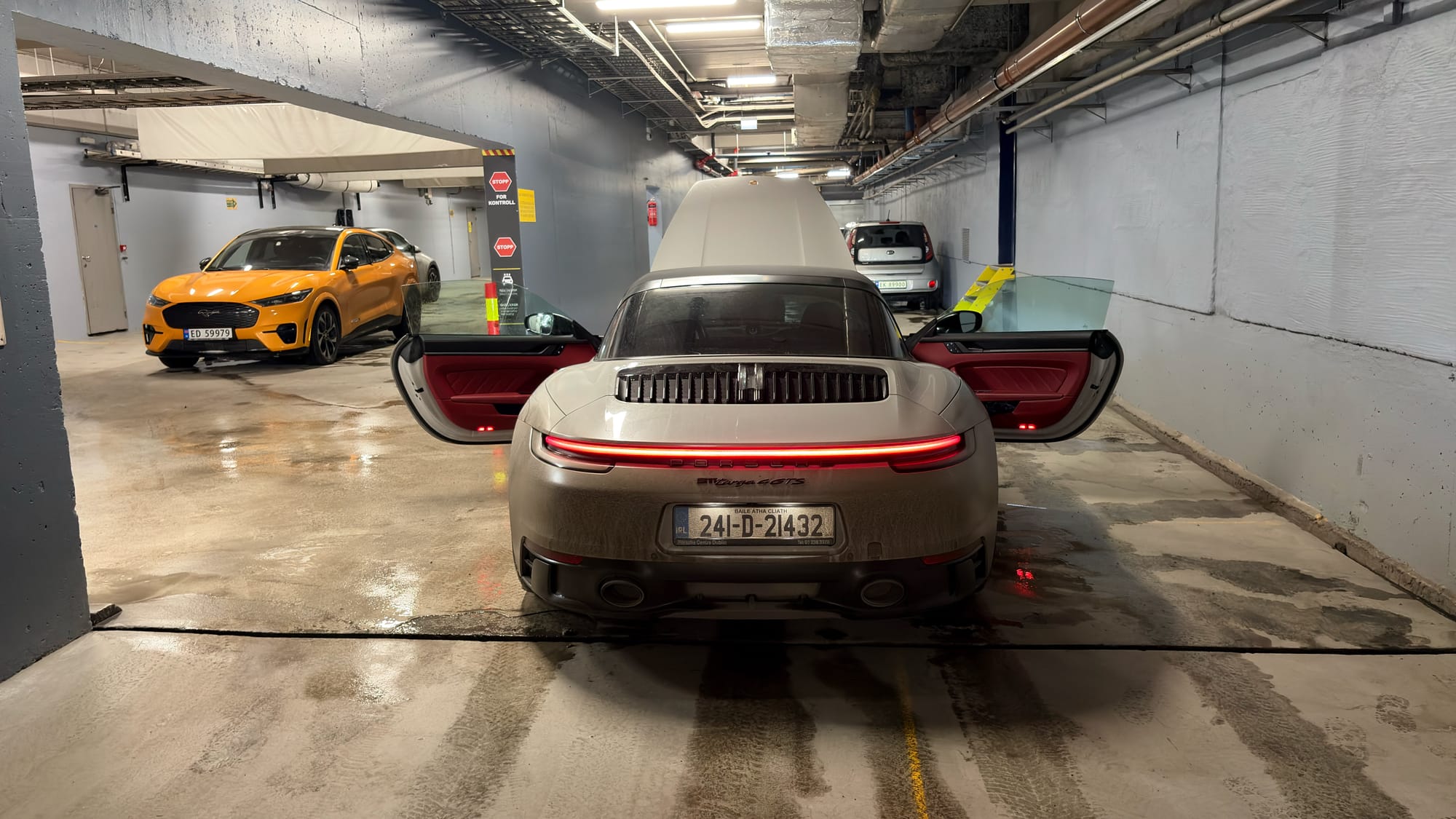
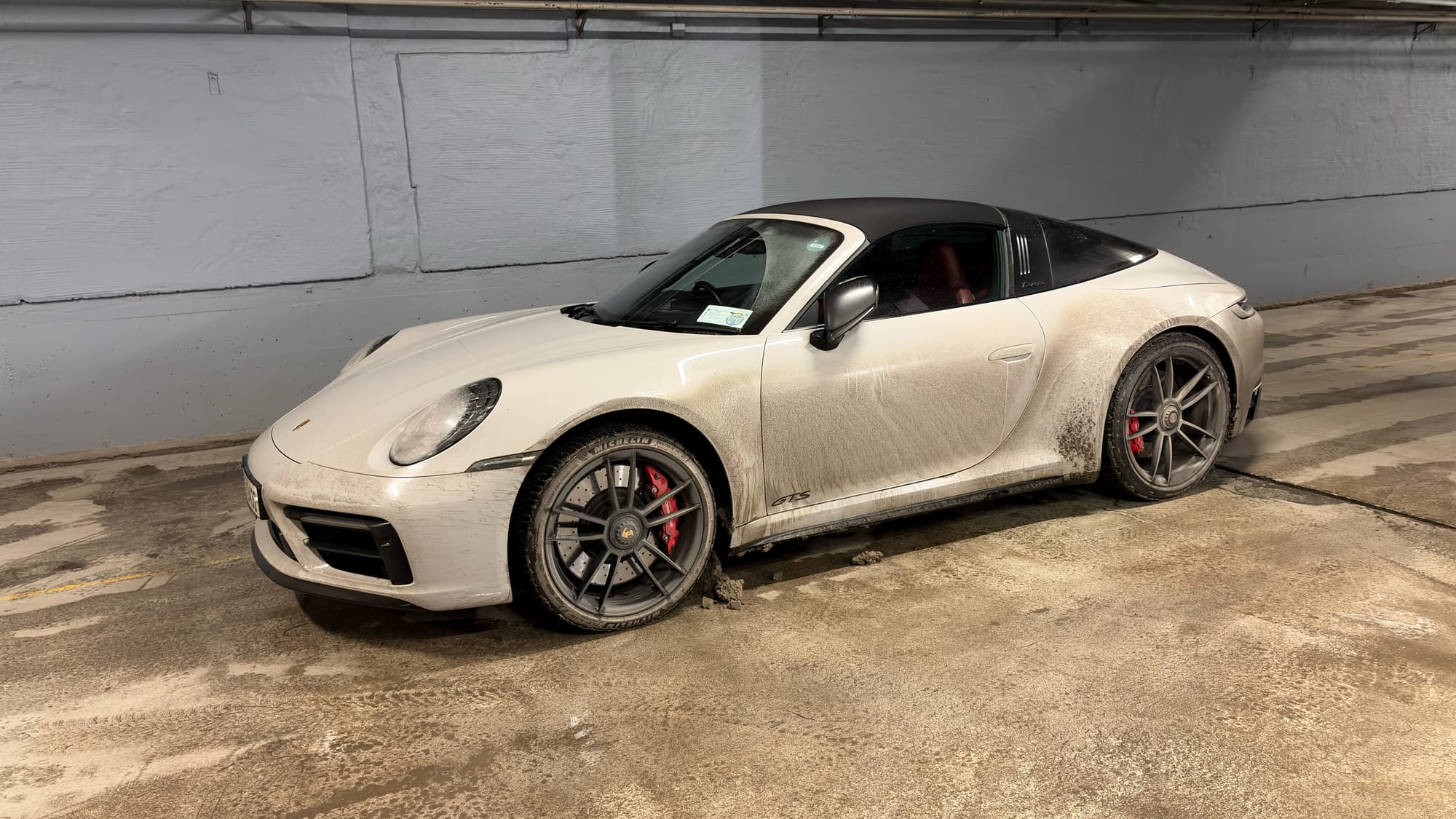
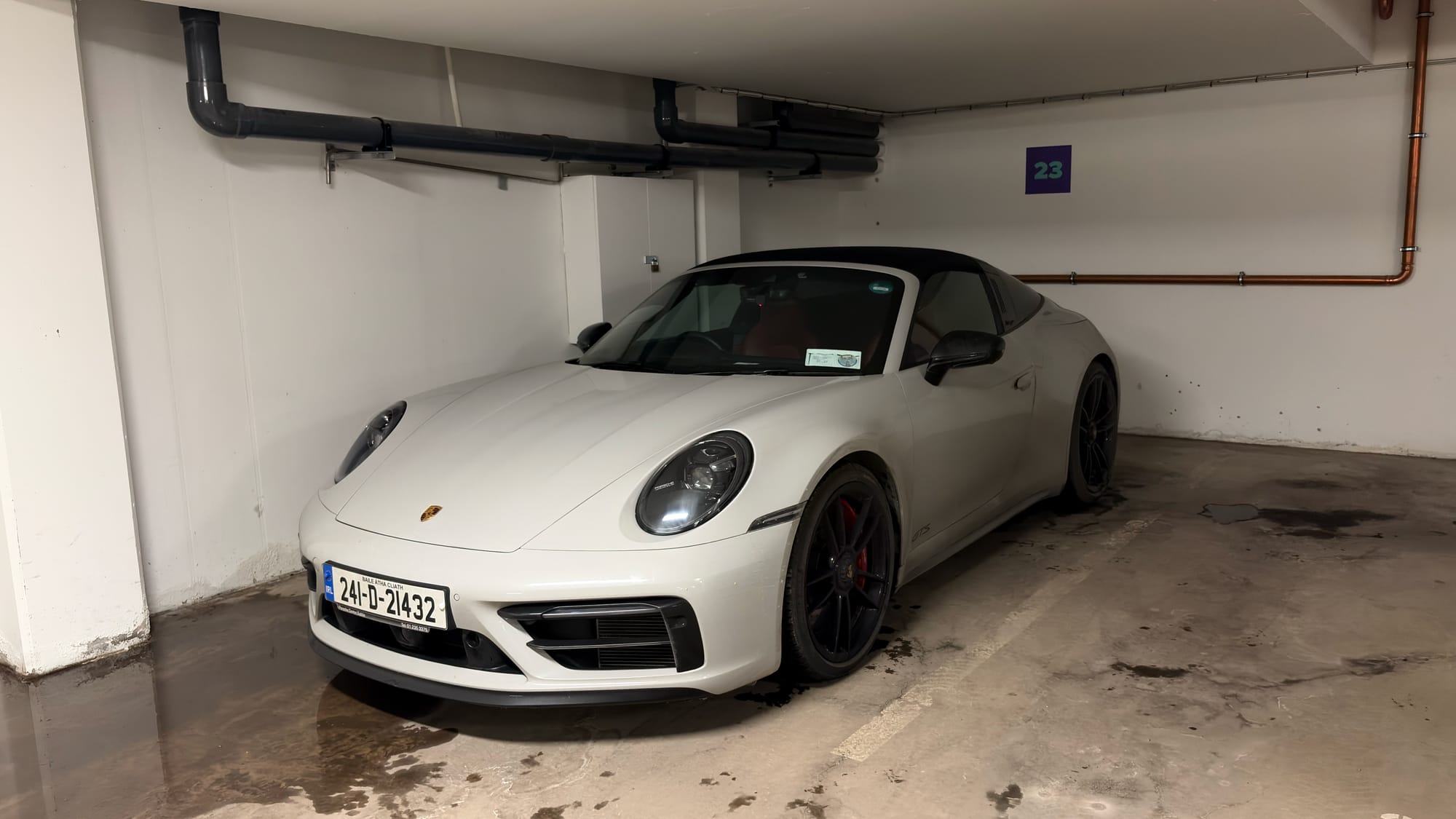
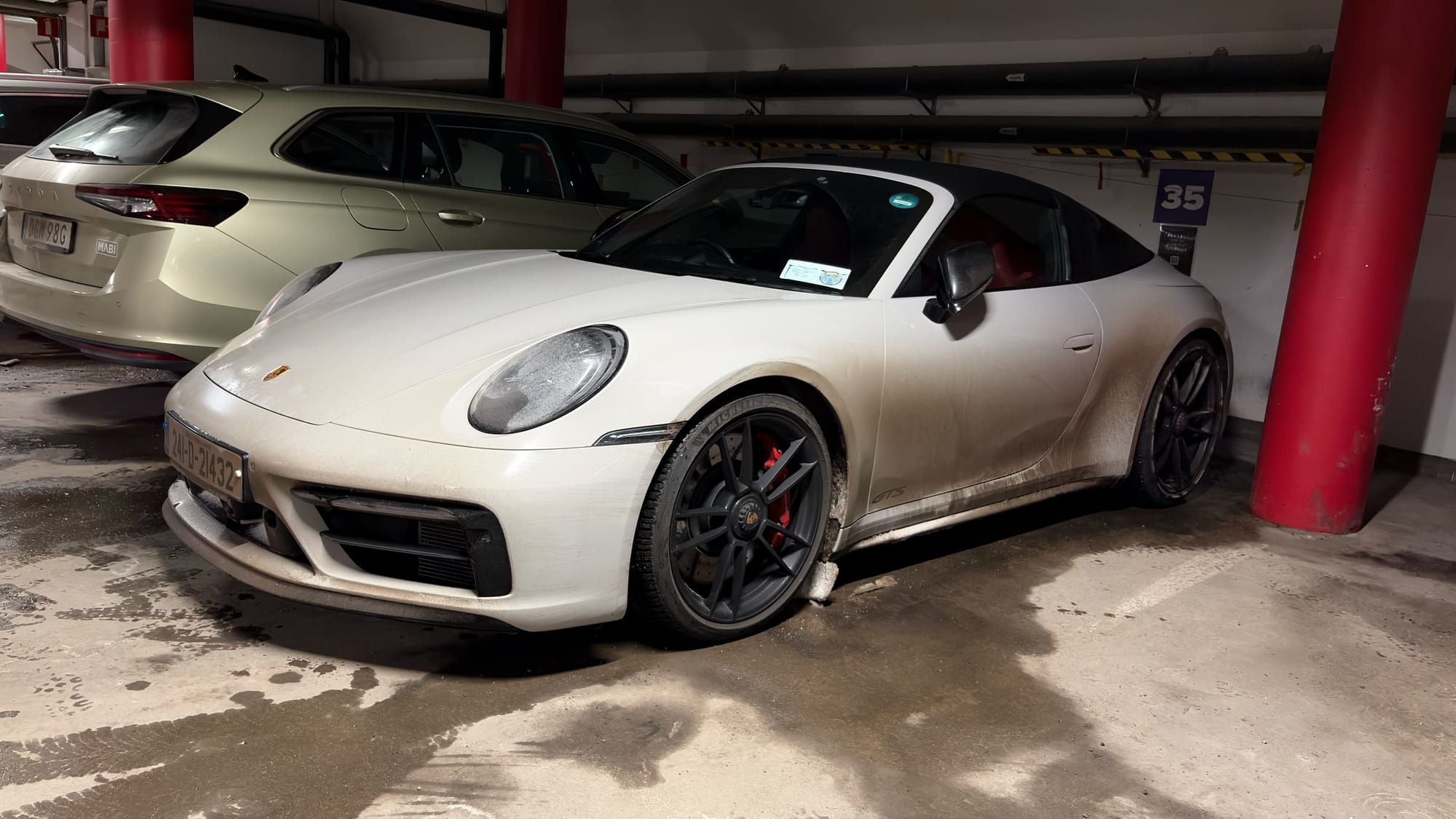
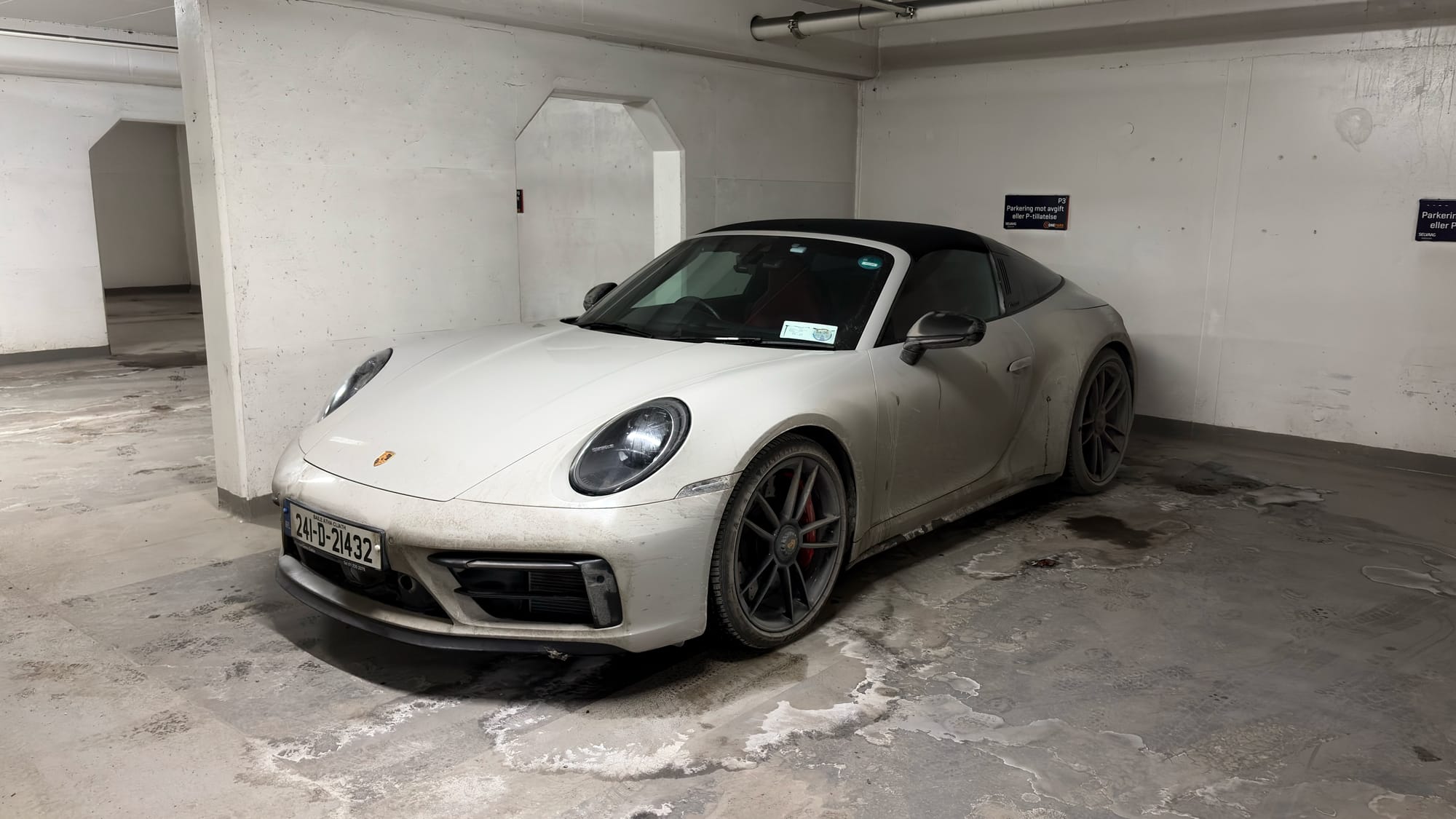
The many overnight garages on this trip
It was certainly fun to experience how our 911 Targa behaved when starting in extremely cold environments. The engine must provide a certain amount of insulation because the oil temperature before starting was usually about 5 to 8 degrees warmer than the outside temperature.
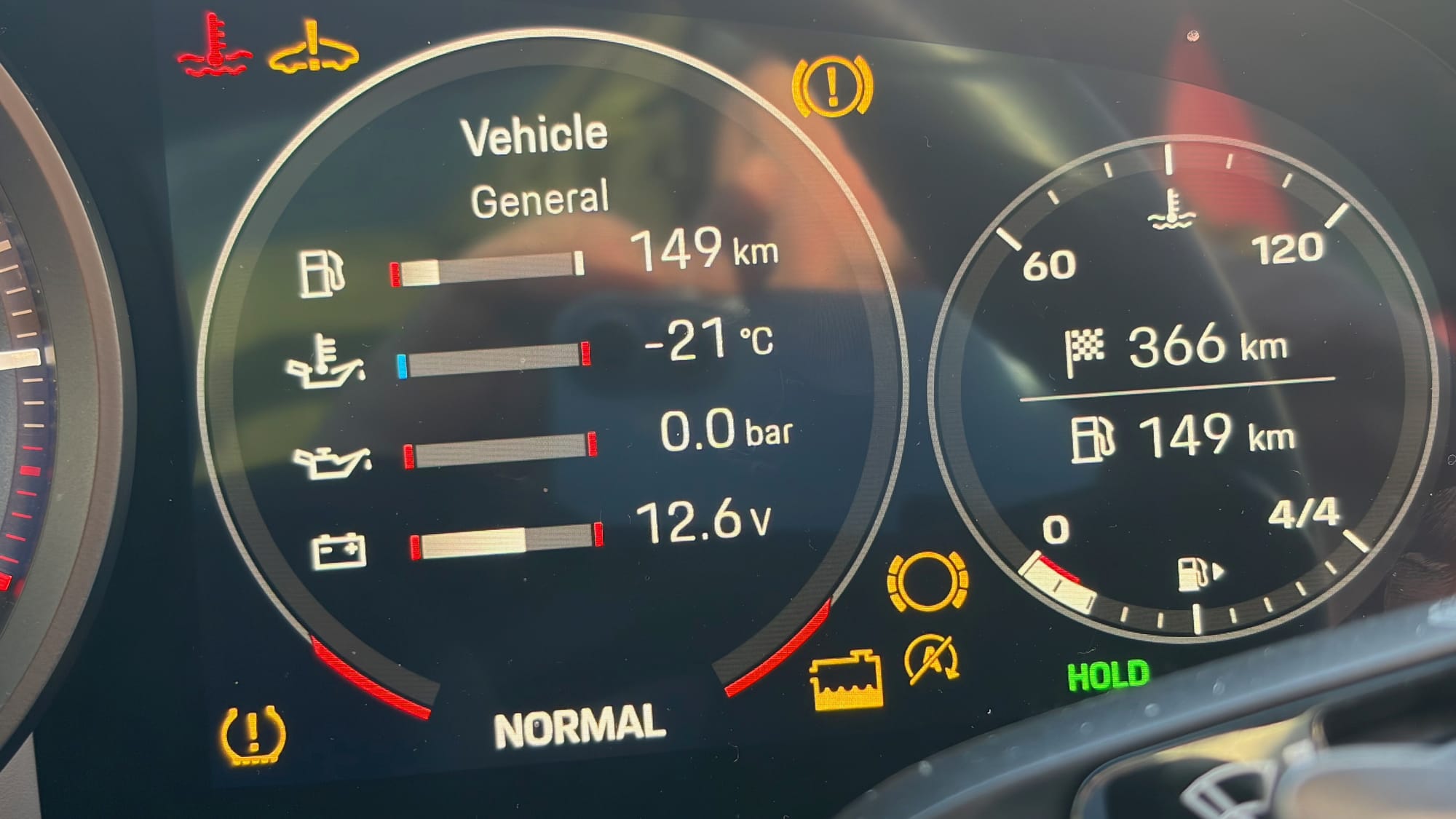
Starting up the car in these conditions usually resulted in a number of warnings and complaints from the car – which would soon clear once the oil warmed up to around -5c.
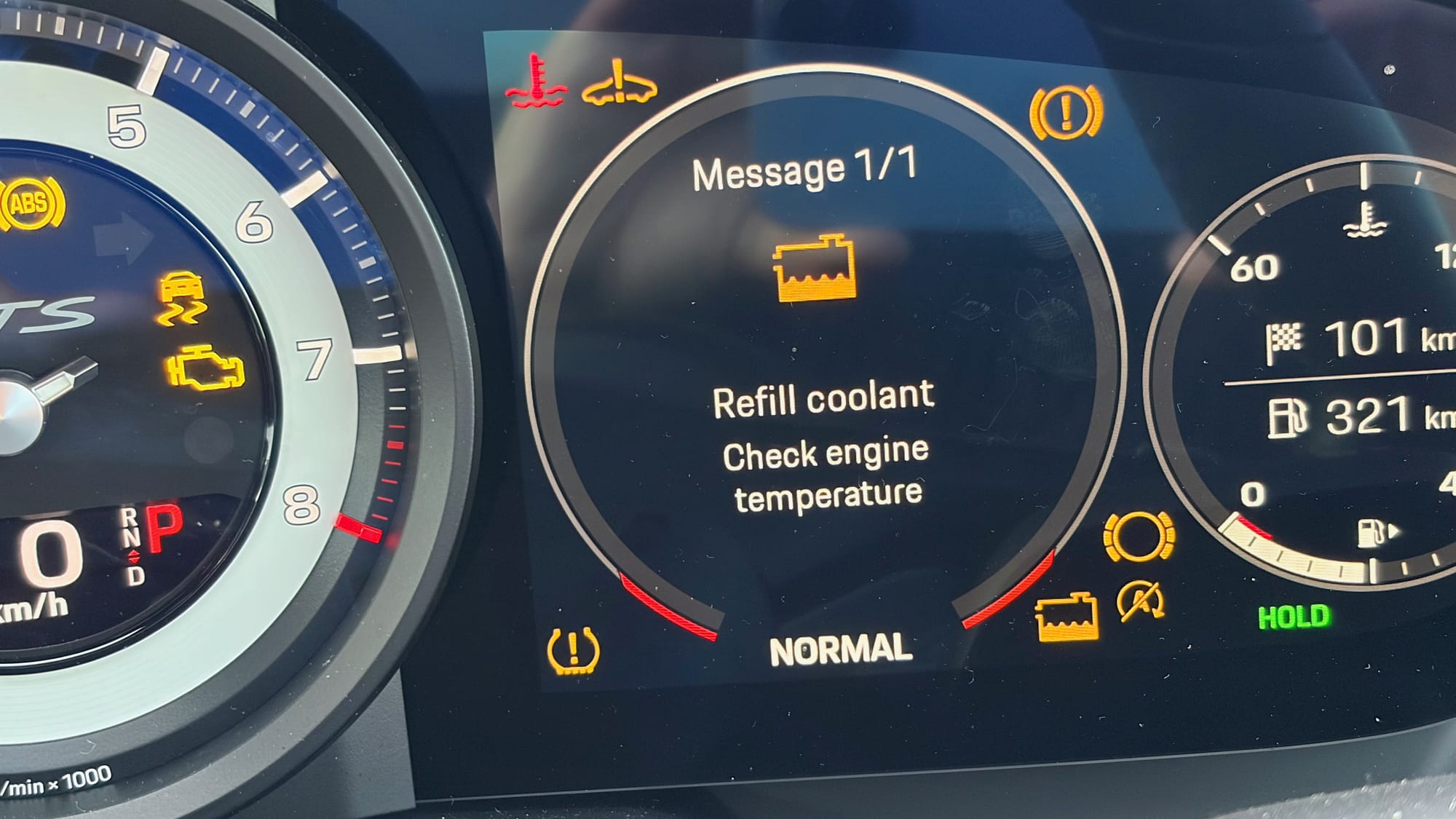
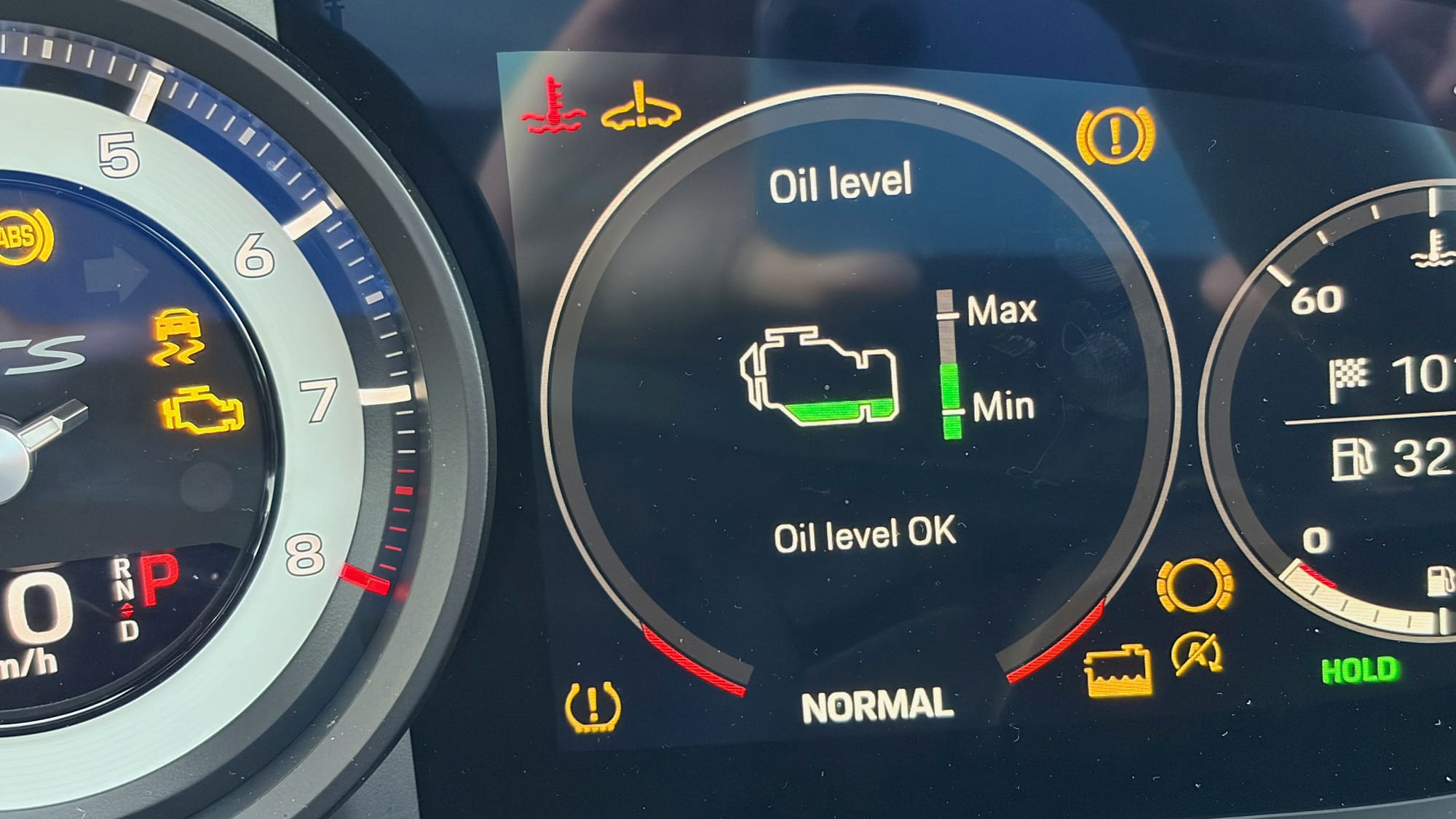
Warnings on startup
We were impressed with the generally wide availability of 98 Octane fuel right across the arctic. We didn't particularly need it, but it was generally priced reasonably and its the fuel type our car prefers.
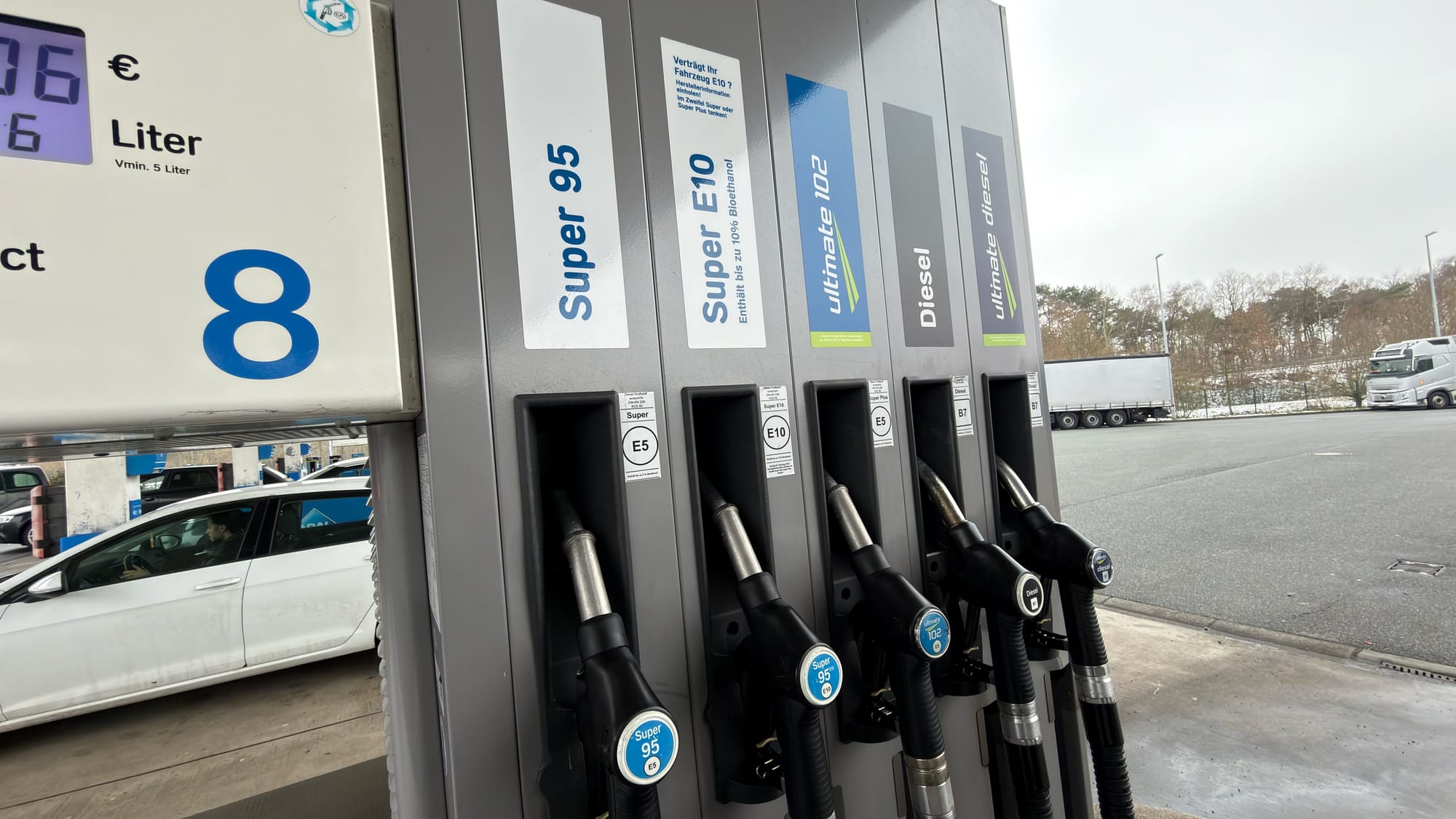
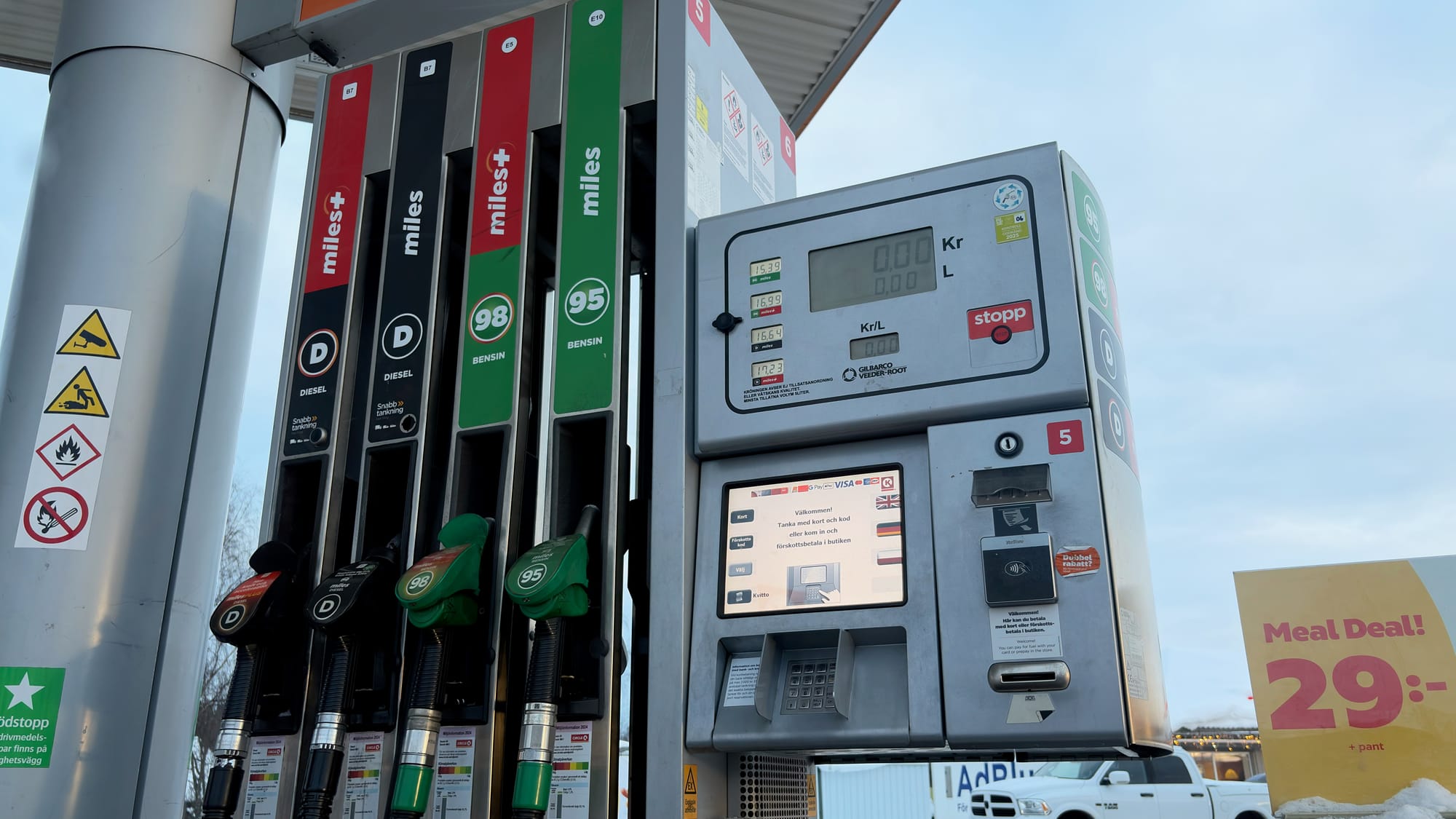
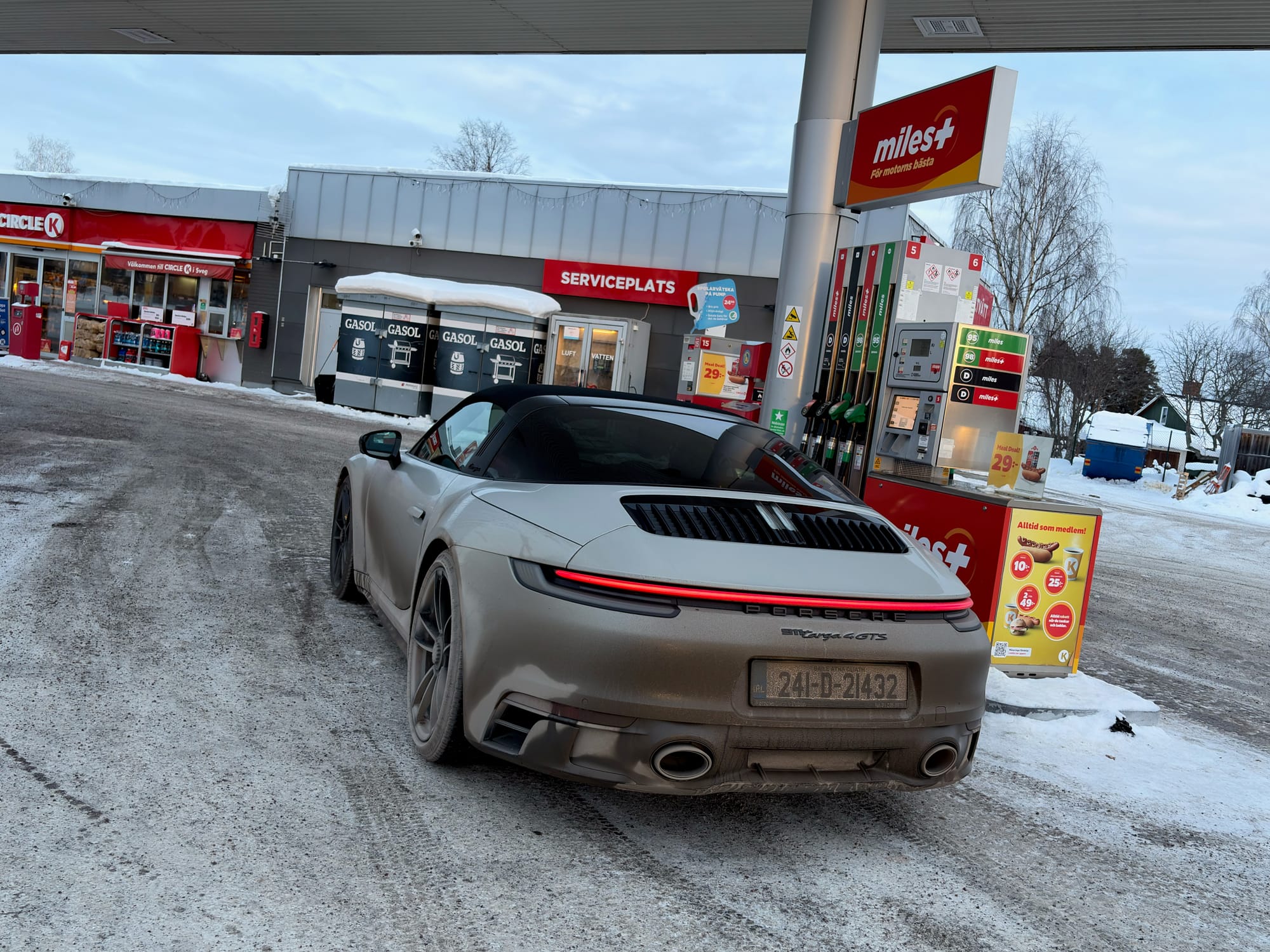
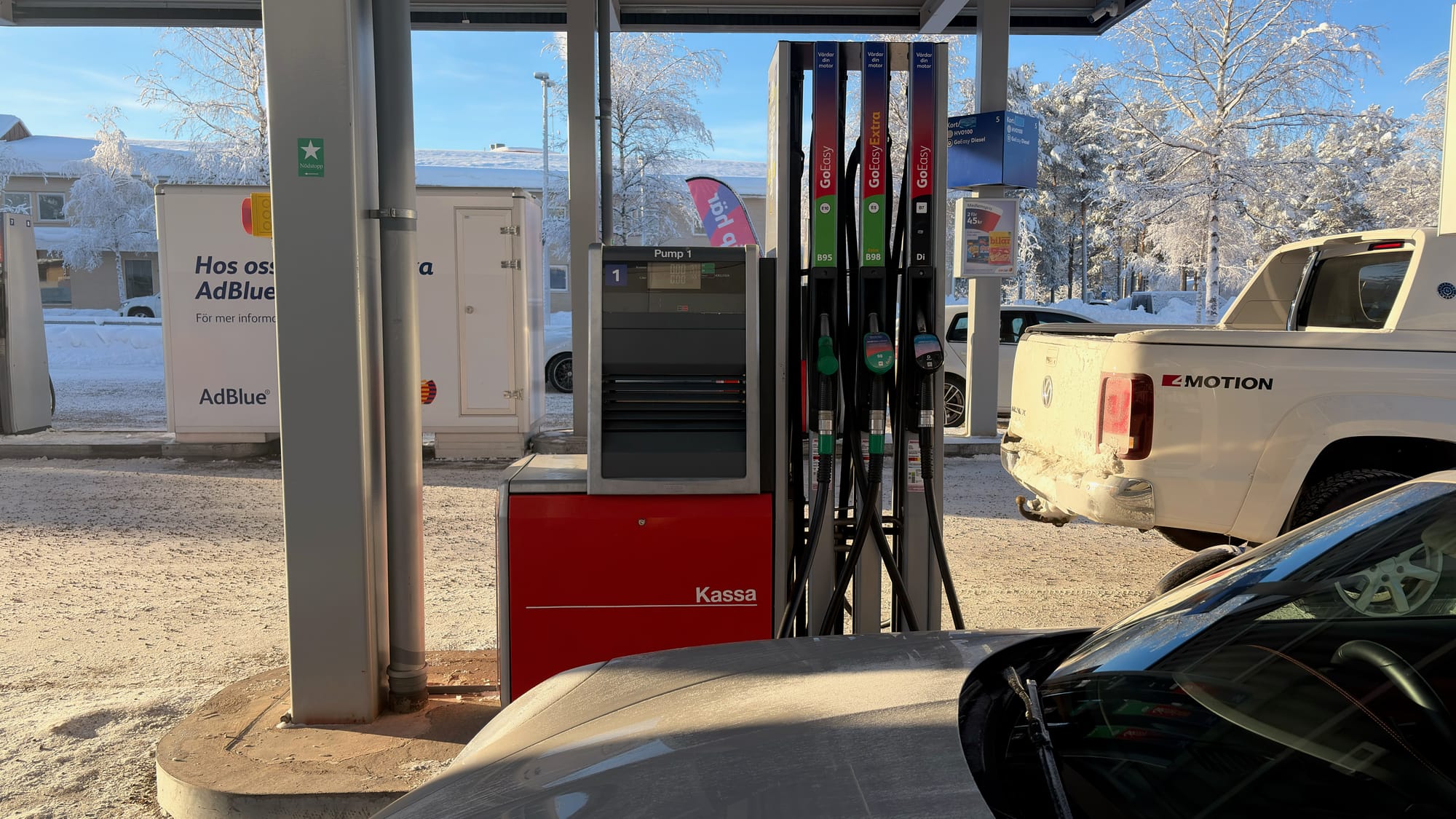
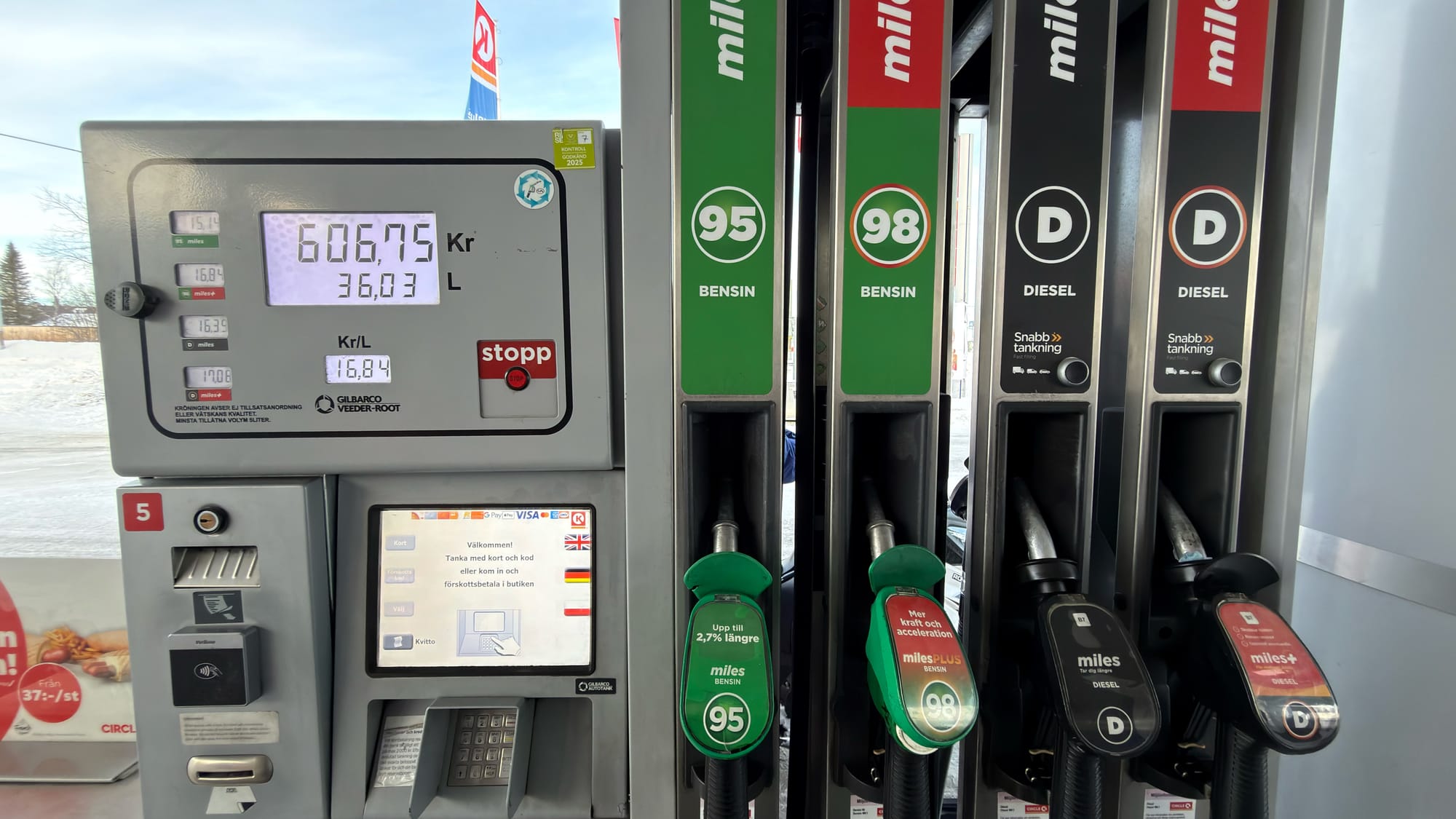
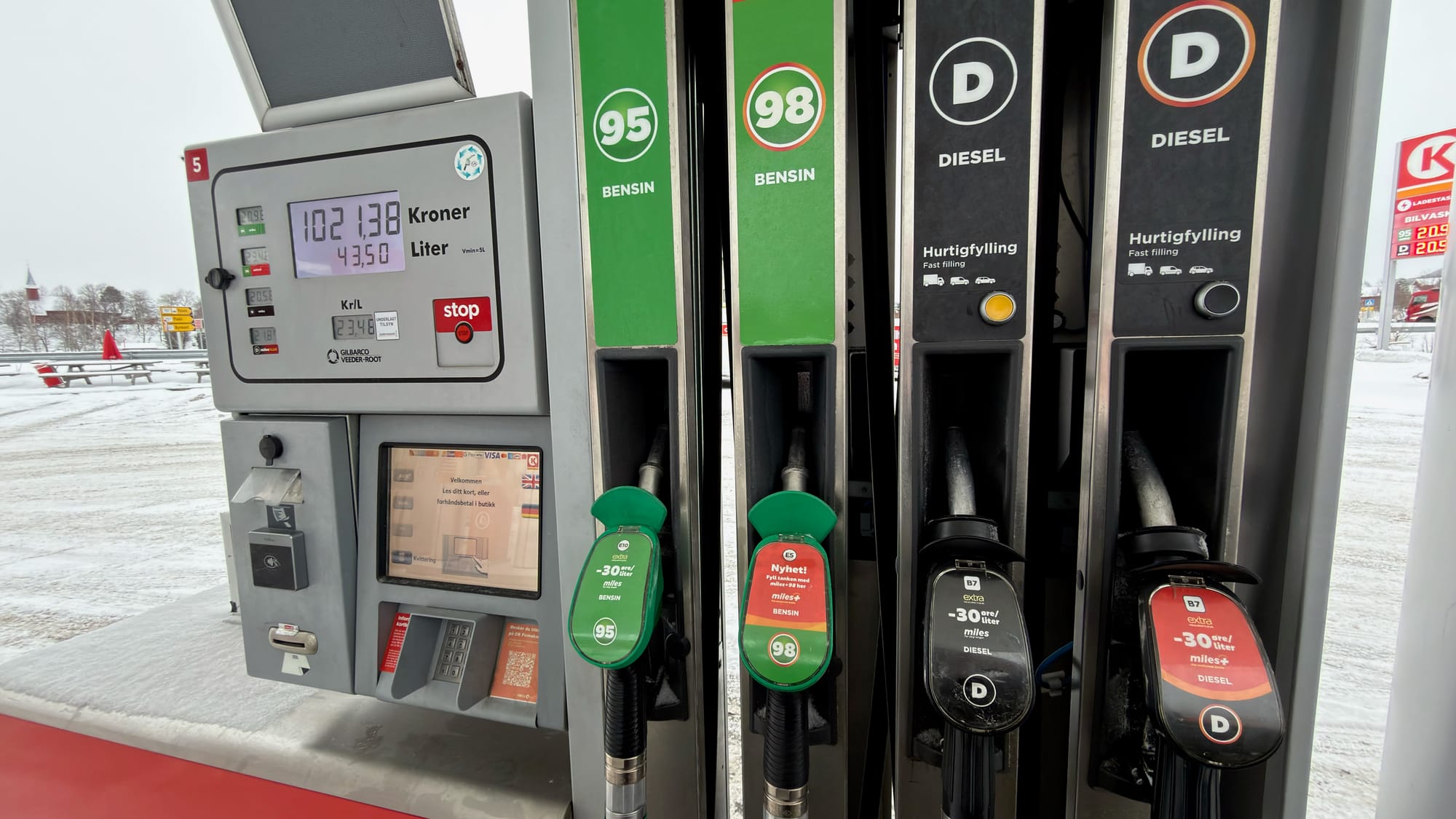
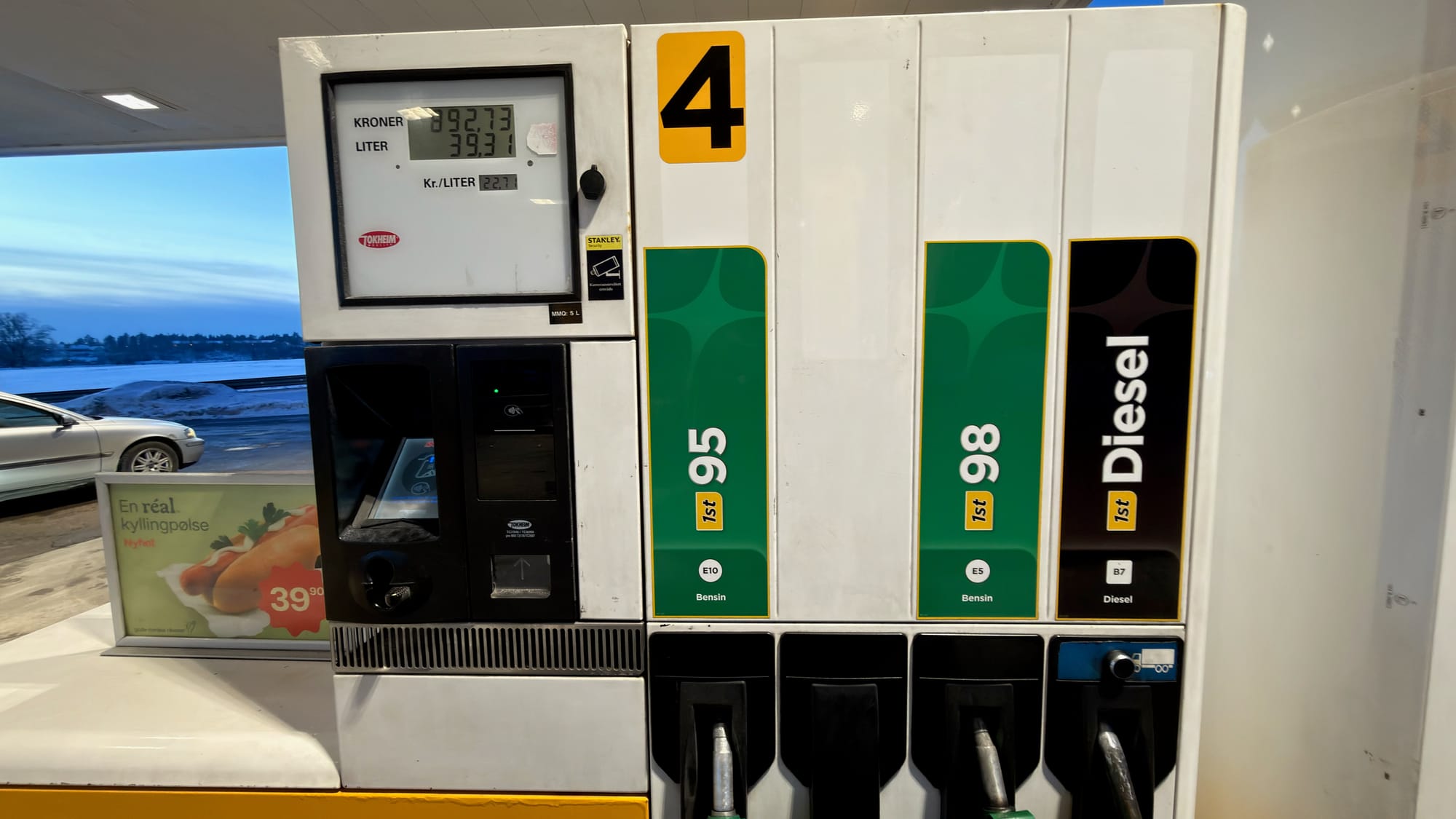
Fuelling up
We enjoyed using our drone to capture our experiences from new perspectives.
Drone footage capturing unique perspectives
And of course the insane 100 MP accuracy of our Swedish made Hasselblad camera.
Each image it captures takes up around 210 MB on disk and a key goal of this travel blog is to represent them as completely as possible without excessive compression that you find on more commercial platforms.
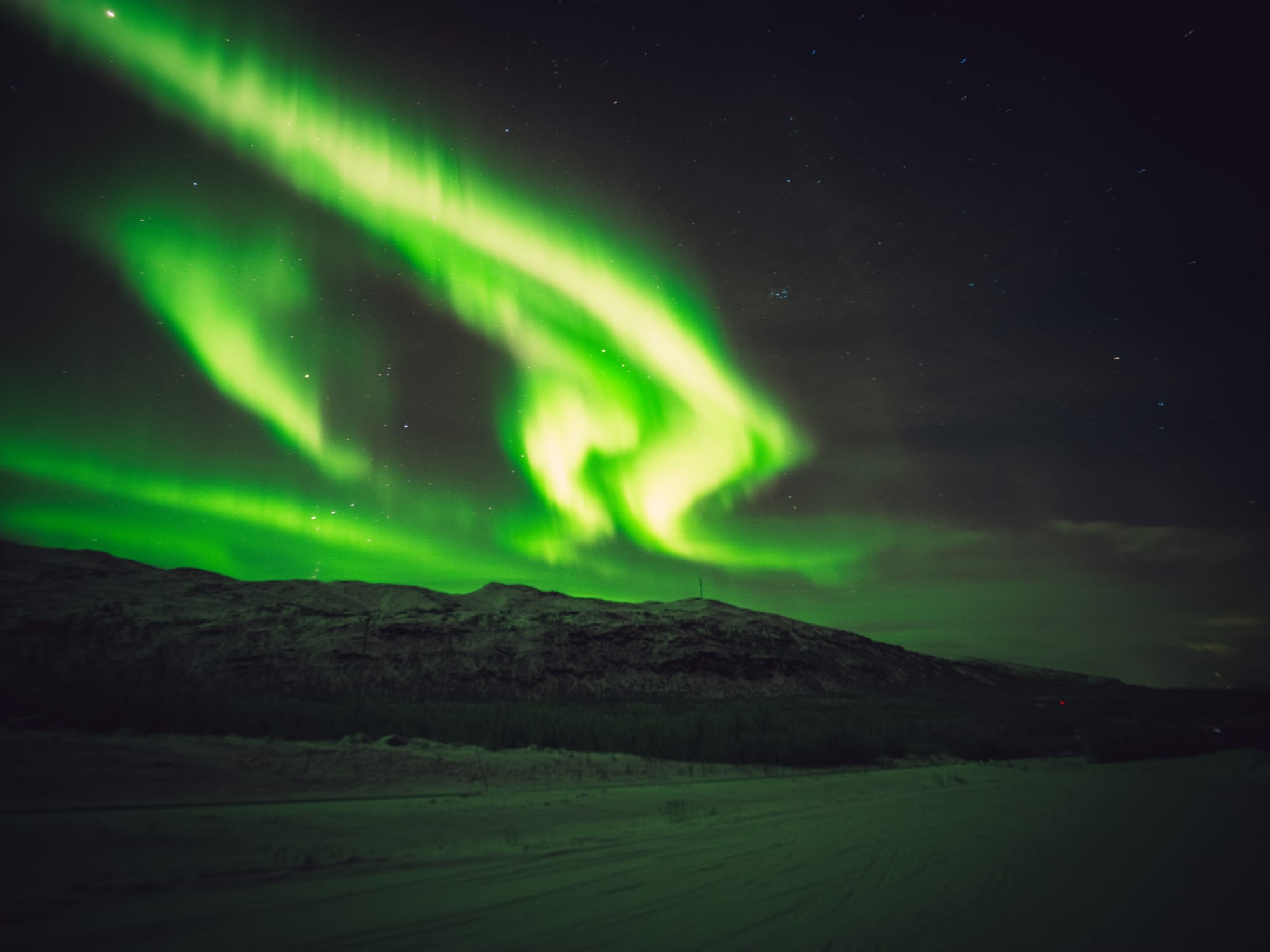
And we were very happy that we experienced the strongest northern lights on this trip that we ever have. We are starting to explore using our drone to capture them next year, which could offer some interesting opportunities.
In 15 days we did 6,860 km over 105:57 hours, with an average speed of 65 km/h, consuming 9.7 litres/100km.
We consumed 452.01 litres of fuel with an average cost of €1.837/litre for a total cost of €836.66.
We had 81,853 views on this blog during the trip using up 49.87 GB of bandwidth.
We had a thoroughly good time on this trip and enjoyed every moment of it, especially northern Sweden. We are already planning to return to the arctic next winter – possibly with a focus on Finland.
We enjoyed sharing this adventure with you all.
Damien and Rose